
Blogs
10 Cancer Warning Signs You May Be Overlooking — and How to Recover with High-Protein Foods
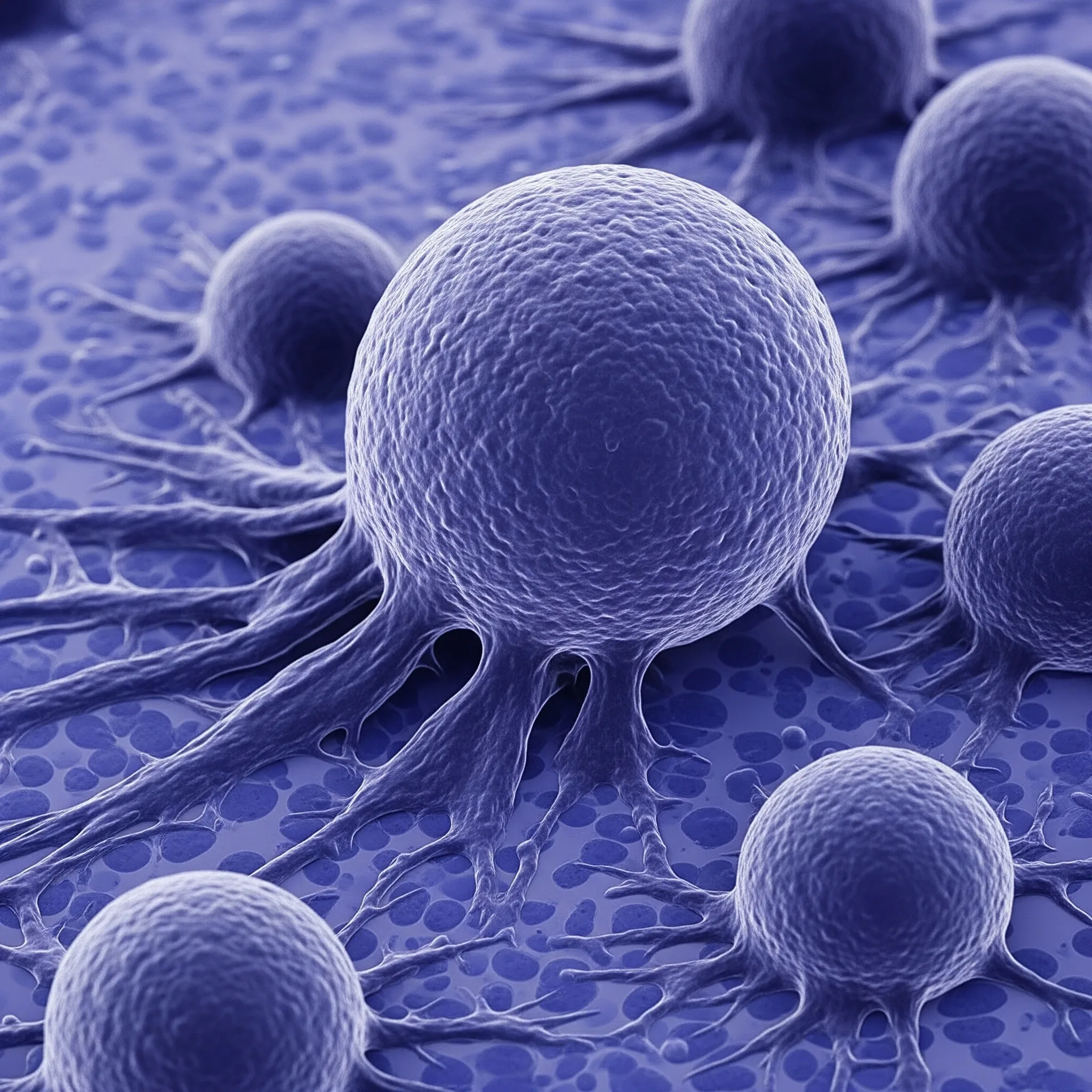
10 Cancer Warning Signs You May Be Overlooking — and How to Recover with High-Protein Foods
10 cancer warning signs you may be overlooking and how to recover with high-protein foods. Cancer is a silent threat that can hide in our bodies without us knowing. Many people tend to ignore small, everyday symptoms, assuming they're normal. But in reality, some minor symptoms can actually be warning signs of cancer. That's why noticing early signs is extremely important. Let's walk through 10 cancer symptoms you may be overlooking, along with how to help your body recover with high-protein foods and the important role protein shakes play in restoring energy and muscle.
1. Unexplained, unintentional weight loss
- If you're losing weight rapidly without exercising or dieting, it could be a sign of cancer such as pancreatic, stomach, or lung cancer. These cancers affect metabolism and cause the body to burn more energy than usual.
2. Chronic fatigue even after a full night's sleep
- Chronic fatigue that isn't relieved by rest may result from leukemia or cancers that reduce red blood cell production, leaving the body short on oxygen and causing exhaustion.
3. Frequent fever with no clear cause
- Frequent, unexplained fevers may signal infection related to leukemia, or an immune system that has become disrupted by the growth of cancer cells.
4. Chronic pain or aches with no known cause
- Body pain such as back pain, bone pain, or chronic abdominal pain may result from cancer that has spread or progressed — for example, bone cancer, liver cancer, or ovarian cancer.
5. A wound that doesn't heal within 2 weeks
- A mouth sore or skin wound that won't heal may be a sign of oral cancer or skin cancer, especially if the wound bleeds or is accompanied by a small growth.
6. Unusual bleeding
- Bleeding at times it shouldn't occur — such as vaginal bleeding between periods, or blood mixed with stool or urine — may indicate cervical, colon, or bladder cancer.
7. Chronic cough or persistent hoarseness
- A chronic cough, hoarseness, or persistent sore throat may be a sign of laryngeal cancer or lung cancer, particularly in smokers.
8. Difficulty or pain when swallowing
- Difficulty swallowing or pain in the throat or chest while swallowing may be a symptom of esophageal cancer or pharyngeal cancer.
9. Changes in a mole or the skin
- A mole that changes in size, color, or shape may be a sign of skin cancer such as melanoma, and should be examined by a dermatologist immediately.
10. An unusual lump under the skin
- Finding a lump in the breast, neck, or elsewhere on the body that can be felt may be a cancerous growth that requires diagnosis by a specialist.
Recovery nutrition for cancer patients: After receiving cancer treatment — whether chemotherapy, radiation therapy, or surgery — the body loses significant energy and muscle mass. Recovering with proper nutrition, especially high-protein foods, plays a vital role in boosting immunity, repairing cells, and improving quality of life for patients.
High-quality protein sources to include
- Eggs — provide high-quality protein and a complete set of essential amino acids
- Fish and lean chicken — easy to digest, high in protein, and low in fat
- Tofu and soybeans — a plant-based protein source suitable for those who eat vegetarian
- Milk and dairy products — provide both protein and calcium the body needs
- Nuts and whole grains — add energy and healthy fatty acids
The role of protein shakes in helping the body recover: Many cancer patients experience loss of appetite, eat very little, or feel nauseous from chemotherapy, resulting in insufficient nutrient intake. Protein shakes are therefore a convenient and suitable option because they
- contain concentrated protein per serving
- are easy to digest and require no chewing, suitable for those who have difficulty swallowing
- come in a variety of flavors that help stimulate appetite
- can be fortified with additional vitamins and minerals
Tips for choosing a protein shake
- Choose a protein shake made with Whey Protein Isolate, or Plant-based Protein for those with a dairy allergy
- Avoid products that are high in sugar or overly artificially flavored and colored
- Consult a doctor or dietitian before starting regular use
Infographic: A summary of protein intake guidelines for cancer patients. Getting enough protein is extremely important for repairing and strengthening the body, especially for those who are recovering or who want to increase their daily protein intake. Consider the following amounts and types of food.
Fish/Chicken
- Recommended daily amount: 120–150 grams
- Note: Choose lean fish or chicken (especially the breast) that is low in fat. Cook it by boiling, steaming, or baking to avoid using oil and excess fat — this makes it easier to digest and healthier.
Eggs
- Recommended daily amount: 1–2 eggs
- Note: Eggs are a complete protein source containing a full set of essential amino acids. Choose boiled eggs instead of fried or omelet-style eggs, since boiled eggs contain no added oil, giving you pure protein without excess fat.
Tofu/Soybeans
- Recommended daily amount: 100–150 grams
- Note: An excellent source of plant-based protein, suitable for those who want to reduce meat consumption or who are allergic to cow's milk. Tofu and soy products are easy to digest and beneficial to health.
Low-fat milk
- Recommended daily amount: 1–2 glasses
- Note: Low-fat milk is a good choice for boosting calcium and protein while consuming less fat, suitable for those who want to manage their body shape or reduce fat intake.
Protein shake
- Recommended daily amount: 1–2 glasses
- Note: A protein shake is a convenient, quick way to get enough protein, especially when you can eat only a little of your main meals or need extra protein after exercise. Choose a high-quality protein shake that isn't overloaded with sugar or additives.
Understanding the signs and symptoms of cancer and not overlooking unusual signals from your body is the first step in taking care of your health. Eating high-protein foods and using protein shakes appropriately will help support your body's recovery, boost immunity, and restore the strength to live life with quality once again. And remember: if you or someone close to you has a suspicious symptom, see a doctor promptly for diagnosis and treatment, because cancer is treatable when detected early. At every step of recovery, Royim Protein is here beside you. Our specially formulated protein shake is designed to boost energy, help rebuild muscle, and strengthen the body, so every day is filled with the strength to keep fighting. Choose Royim Protein, the right partner for your health today.