
Blogs
5 Signs Your Body Is Starting to Produce New Blood Cells
5 Signs Your Body Is Starting to Produce New Blood Cells
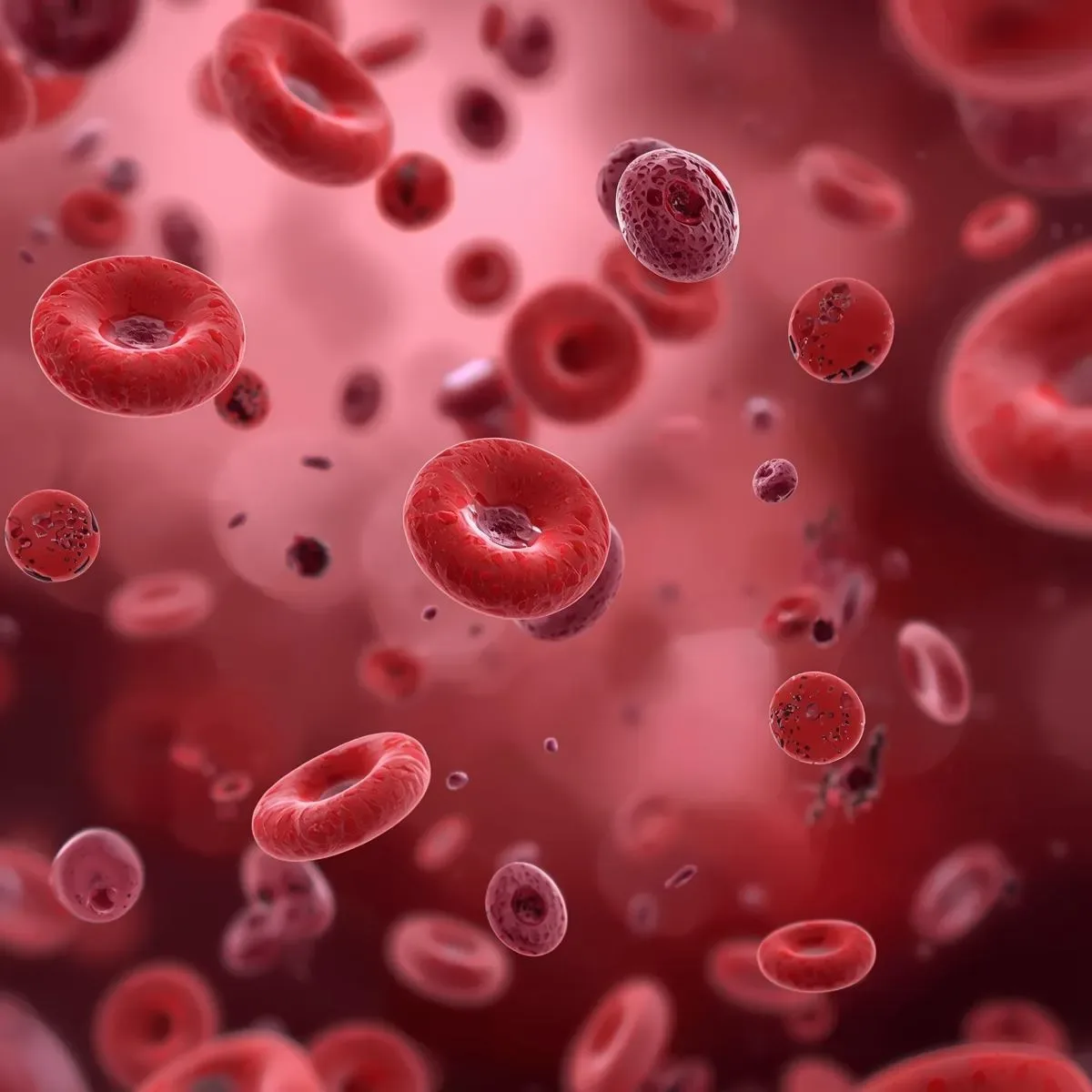
5 signs your body is starting to produce new blood cells. After chemotherapy or various forms of cancer treatment, many patients often hear the familiar phrase: your blood counts haven't passed yet, or your blood cells haven't recovered yet. These words can leave many people feeling discouraged, because it means treatment has to be postponed for a while so the body can rest and rebuild new blood cells. But our bodies have a remarkable capacity to recover, and at a certain point, they will begin producing new blood cells continuously and automatically.
Feeling more energetic, not tiring as easily as before One of the first and easiest signs to notice is the return of energy. After chemotherapy, the body becomes weak and tires easily because red blood cells, which carry oxygen, have decreased. But once the bone marrow begins producing new blood cells again, especially red blood cells, you'll start to notice right away that you can:
- Walk farther without getting as tired
- Rest less often than before
- Handle more of your daily activities
An increase in red blood cells means better oxygen levels in the blood and more energy in the body. It's no surprise that patients often say they feel more refreshed — that's a genuine sign the body is truly recovering.
Skin and lips start to regain a pink color When blood counts are low, especially red blood cells, the skin and lips often look pale due to lack of oxygen. But as the body begins producing new blood cells, the skin gradually changes color — the lips return to a rosy red, the face regains color, and the eyes look more lively. This is a clear external sign that the body has begun producing enough red blood cells once again.
Tips to help boost red blood cell production
- Eat iron-rich foods such as liver, red meat, and dark leafy greens
- Add vitamin C to help the body absorb iron more effectively
- Drink enough water to keep blood circulating smoothly
Wounds heal faster, and bruising decreases There are several types of blood cells, not just red blood cells. Platelets are a key component that helps blood clot and stop bleeding when a wound occurs. After chemotherapy, platelets often decrease, causing wounds to heal slowly or bruises to appear easily. But once the body starts producing new blood cells more effectively, you'll begin to notice that:
- Small wounds, such as scratches or pressure sores, heal faster than before
- Bruises on the arms and legs fade quickly
- Bleeding stops faster when you get a cut
This is another good sign that your platelets are starting to function again.
Foods that help boost platelets
- Pumpkin, carrots, and dark leafy greens (rich in vitamins A and K)
- Sesame oil, olive oil (help nourish the bone marrow)
- Protein from fish, egg whites, or protein supplements formulated for patients
Improved immune system, less prone to infection than before After chemotherapy, white blood cells often decrease, leaving the body weakened and highly prone to infection — such as frequent colds, chronic sore throat, or infected wounds. But once white blood cells begin to recover, the body regains its natural protective barrier once again. Signs you may notice include:
- Fewer colds
- Wounds or mouth sores heal faster
- The body responds well to inflammation, such as wounds scabbing over quickly
White blood cells are the body's soldiers, helping fight off germs and foreign invaders. So if you start to notice that you're not getting sick as easily as before, that's a sign your body has begun rebuilding its army once again.
Blood test results gradually start to rise Finally, and most clearly, are your blood test results after chemotherapy. Doctors will check values such as:
- WBC (White Blood Cell)
- RBC (Red Blood Cell)
- Platelets
If test results gradually start to rise, even if they haven't yet reached standard levels, it means the bone marrow has begun working again. It's important not to feel discouraged if your blood counts aren't as good as hoped, because the process of producing new blood cells takes time, especially after multiple rounds of chemotherapy. Consistent self-care during this period is the key to helping your blood cells recover faster.
How does the body produce new blood cells? Inside the bone marrow are stem cells. These cells gradually develop into red blood cells, white blood cells, and platelets. After chemotherapy, some stem cells may be damaged, so it takes time for them to recover and begin producing blood cells again.
Things that help stimulate good blood cell production include:
- Eating enough protein
- Getting sufficient rest
- Drinking plenty of water to keep blood circulating well
- Maintaining a relaxed mental state and avoiding excessive stress
Foods and nutrients that help the body produce new blood cells quickly
- High-quality protein, such as fish, chicken, egg whites, tofu, or specially formulated protein supplements. Protein is the main building block of every type of blood cell.
- Iron is a key raw material for hemoglobin in red blood cells. Found in red meat, liver, spinach, and red beans.
- Folate and vitamin B12 help produce red blood cells and prevent anemia
Found in dark leafy greens, eggs, and milk. - Vitamin C helps the body absorb iron more effectively. You should eat fresh fruits such as guava, papaya, and orange.
- Zinc helps stimulate white blood cell production. Found in seafood, nuts, and pumpkin seeds.
Protein supplements: an important aid during blood cell production After chemotherapy, many people can eat only small amounts due to nausea, loss of appetite, or altered taste. As a result, the body lacks protein, which is an essential raw material for producing all new cells, including blood cells. That's why protein supplements for cancer patients are a safe and genuinely effective aid.
Products from Royim Protein — Royim Protein offers specially formulated protein products for cancer patients and those recovering from chemotherapy.
Key features of this protein formula
- Easy to digest, suitable for those who can only eat small amounts
- No fishy smell
- Rich in essential amino acids that help repair cells
- Contains vitamins and minerals that support blood cell production
How to take it
- Mix 1 scoop of protein powder with 150–200 milliliters of room-temperature water
- Drink 1–2 times a day, after breakfast and before bed
- Can be mixed with soy milk or fruit juice as preferred
Benefits patients will receive
- Supplies protein to support the body's production of new blood cells
- Reduces fatigue and helps restore energy
- Stimulates repair of cells damaged by chemotherapy
- Restores the immune system, making infections less likely
Many patients who use it alongside proper diet and rest report faster blood count recovery, improved immunity, and a body better prepared for the next round of chemotherapy.
The production of new blood cells is a sign of a fresh start for the body. It shows that your body is fighting, recovering, and growing strong again. If you're in the recovery period, don't lose heart — simply pay attention to your diet, get enough rest, and supplement with the right protein. Your body will gradually heal itself in remarkable ways. In every step of your recovery, Royim Protein is here beside you. Our specially formulated protein shake is designed to boost energy, restore muscle, and help strengthen your body. May every day be filled with the strength to keep fighting. Choose Royim Protein, the right companion for your health today.