
Blogs
Anti-Cancer Drugs: Treatment Options and Side Effects to Watch Out For
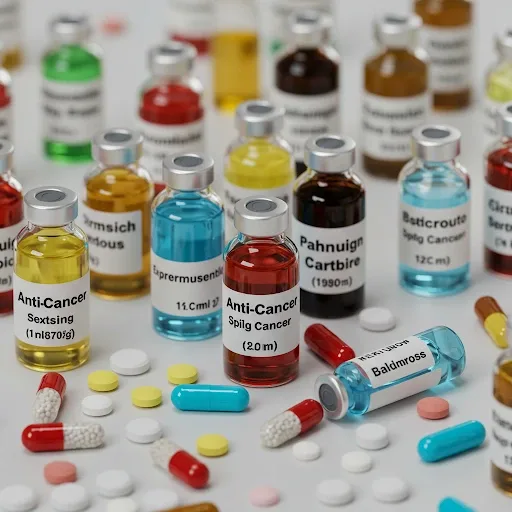
Anti-Cancer Drugs: Treatment Options and Side Effects to Watch Out For
Anti-cancer drugs: treatment options and side effects to watch out for. Cancer is a disease that takes lives around the world. There are many ways to treat cancer, and one of them is the use of anti-cancer drugs — an important treatment option for many types of cancer. However, using anti-cancer drugs also comes with side effects that patients and caregivers should be aware of, so they can prepare and manage symptoms appropriately.
What are anti-cancer drugs? Anti-cancer drugs are a group of medications used to treat cancer by targeting and destroying cancer cells or inhibiting their growth. They can be used as a primary treatment or in combination with other treatments such as chemotherapy, radiation therapy, and surgery, depending on the type and stage of cancer.
Types of anti-cancer drugs and how they work Anti-cancer drugs can be divided into several categories, each working differently, as follows
- Chemotherapy Works by destroying rapidly growing cells, such as cancer cells. Side effects include fatigue, nausea, hair loss, and weakened immunity
- Targeted Therapy Works by targeting specific proteins or molecules involved in cancer cell growth, reducing side effects on normal cells compared to chemotherapy
- Immunotherapy Stimulates the body's immune system to fight cancer cells. Side effects include allergic rash, fatigue, and flu-like symptoms
- Hormone Therapy Used for hormone-related cancers such as breast cancer and prostate cancer, reducing or inhibiting hormones that promote cancer cell growth
- Anti-Angiogenesis Therapy Blocks the formation of new blood vessels that nourish cancer cells, depriving the cancer of nutrients and oxygen
Side effects of anti-cancer drugs to watch out for Although anti-cancer drugs are effective in treating the disease, they can also cause side effects that affect a patient's quality of life, such as
- Nausea and vomiting A common side effect, especially in the first 24-48 hours after treatment. Doctors may prescribe anti-nausea medication to relieve symptoms
- Loss of appetite and weight loss Changes in taste and nausea can lead to loss of appetite. To get the most benefit from food, it should be paired with vitamins and minerals to help build blood cells and hemoglobin, strengthen muscles, boost immunity, and help hormones and enzymes throughout the body function better
- Fatigue and weakness Caused by the drugs' effect on red blood cells, leaving the body short of oxygen. Patients should rest adequately and do light exercise as advised by their doctor
- Low immunity, higher infection risk Chemotherapy reduces white blood cell counts, weakening the body and making it more prone to infection. Patients should avoid contact with people who have infectious illnesses and follow their doctor's advice on infection prevention
- Hair loss and dry skin Chemotherapy may cause hair loss across the whole scalp or in patches, and skin may become dry and easily irritated. These symptoms usually resolve after treatment ends
- Digestive issues such as diarrhea or constipation. Some drugs may disrupt the digestive system, causing these symptoms. Patients should drink enough water and eat high-fiber foods to help relieve symptoms
Supplements and protein shakes that help reduce side effects
- Protein shakes Protein is an essential nutrient that helps repair cells damaged by cancer treatment. Drinking a protein shake can help ensure the body gets enough protein, reduce muscle breakdown, and boost energy
Qualities of a protein shake suited for cancer patients A protein shake suitable for patients undergoing chemotherapy should have the following qualities
- Easy to digest and well absorbed Chemo patients often have digestive issues, so choosing an easily digestible protein shake helps the body absorb nutrients more effectively
- No sugar or additives that may trigger inflammation Sugar and certain additives may trigger inflammation in the body, which can worsen chemo side effects
- Rich in essential amino acids and antioxidants Essential amino acids help build muscle and aid the body's recovery. Antioxidants help protect cells from damage caused by chemotherapy
Foods that help boost immunity Eating foods rich in nutrients can help reduce side effects and strengthen immunity, including
- Vegetables and fruits Vegetables and fruits high in antioxidants, such as carrots, broccoli, tomatoes, and berries, help protect cells from damage caused by chemotherapy. Vegetables and fruits are also an important source of vitamins and minerals for the body's recovery
- High-quality protein Protein helps rebuild muscle weakened by chemotherapy and repairs damaged tissue. High-quality protein sources include fish, eggs, tofu, and soybeans
- Healthy fats Help build cells and support brain function, allowing the body to work efficiently. Sources of healthy fats include avocado, olive oil, and nuts
- Probiotic-rich foods Probiotics help support gut health, which may be damaged by chemotherapy. Food sources of probiotics include yogurt and kimchi
Additional recommendations
- Drink enough water To prevent dehydration, which can worsen fatigue
- Eat small, frequent meals Instead of large meals
- Avoid high-fat foods Spicy foods, and foods with strong odors
- To get the most benefit from food it should be paired with vitamins and minerals to help build blood cells and hemoglobin, strengthen muscles, boost immunity, and help hormones and enzymes throughout the body function better
Essential vitamins and minerals
- Vitamin C Helps boost immunity and reduce inflammation
- Vitamin D Helps strengthen bones and reduce the risk of fatigue
- Omega-3 Reduces inflammation and supports heart health
- Zinc Helps repair cells and strengthen the immune system
Anti-cancer drugs are an important treatment option for cancer, with many types working in different ways. The side effects of anti-cancer drugs can affect a patient's quality of life. Therefore, proper nutritional care and eating nutrient-rich foods, such as protein shakes, vegetables, fruits, and healthy fats, can help reduce side effects and strengthen the body's immunity. Patients should consult their doctor and a nutritionist to plan a diet suited to their health condition. At every step of your recovery, Royim protein is here beside you. Our specially formulated protein shake is designed to boost energy, restore muscle, and help your body grow stronger — filling every day with the strength to keep fighting. Choose Royim protein, the right partner for your good health today.