
Blogs
Anti-Cancer Foods and Protein Shakes: Boosting Immunity and Speeding Recovery During Chemotherapy
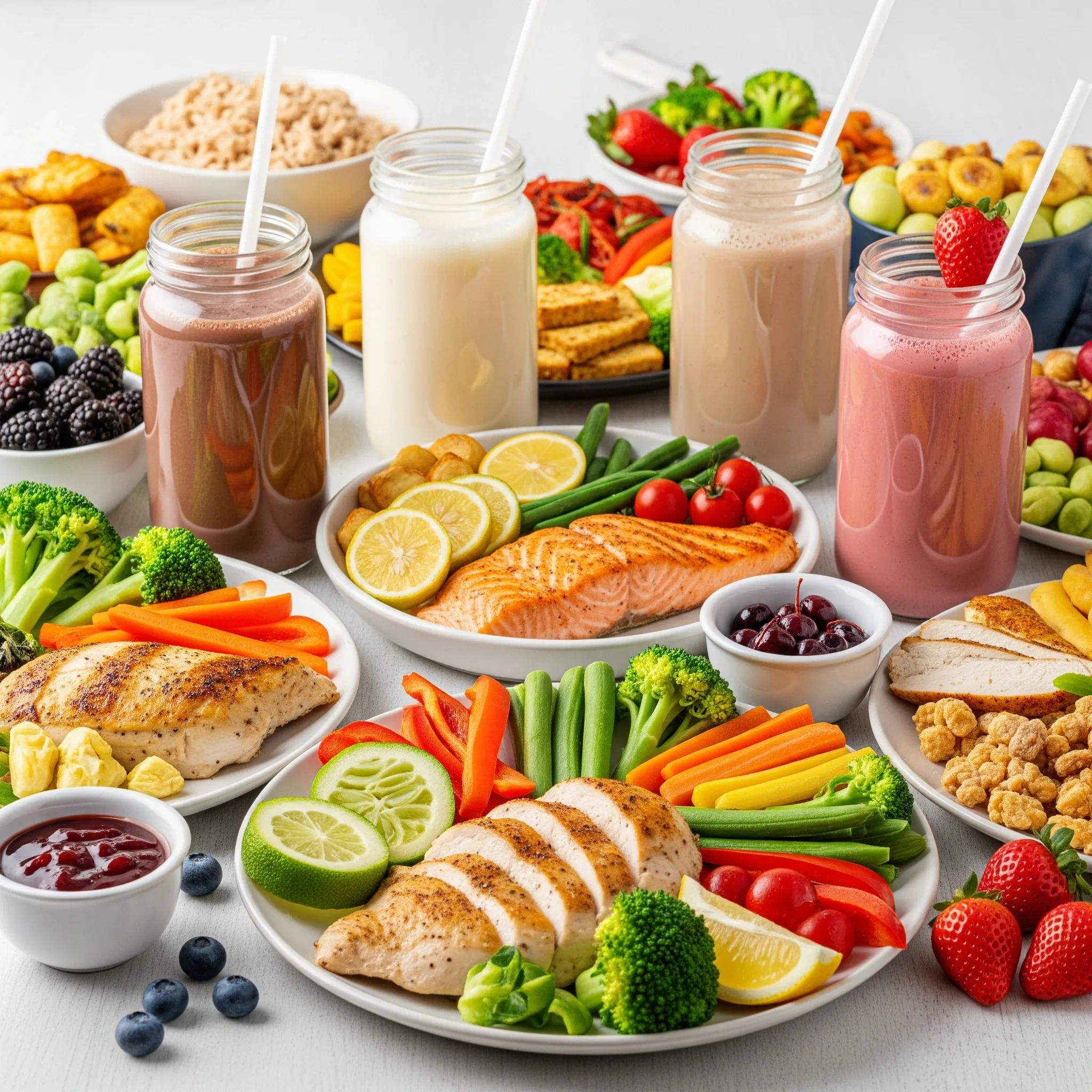
Anti-Cancer Foods and Protein Shakes: Boosting Immunity and Speeding Recovery During Chemotherapy
Anti-cancer foods and protein shakes help boost immunity and speed recovery during chemotherapy. Chemotherapy is a cancer treatment process that uses medication to destroy cancer cells in the body. Although it is a primary approach to inhibiting the growth of cancer cells, it may also affect various systems in the body, especially the immune system, causing patients to feel fatigued, nauseous, lose their appetite, or even experience worryingly low immunity.
Proper nutrition, especially foods with anti-cancer properties and adequate protein supplementation, plays an important role in helping the body recover quickly, reducing the side effects of chemotherapy, and supporting the production of white blood cells, which are key to fighting off various pathogens.
The importance of nutrition during and after chemotherapy: Patients undergoing chemotherapy often experience loss of appetite, nausea, fatigue, or even diarrhea, which affects their ability to receive adequate nutrients. If the body does not receive sufficient nutrients, especially protein, it will result in
- A weakened immune system
- The body producing fewer new cells
- Increased risk of infection or delayed tissue recovery
Supplementing with anti-cancer foods and high-quality protein is therefore an important strategy in caring for patients during this period.
7 anti-cancer foods to eat during chemotherapy: The following are foods with anti-inflammatory and antioxidant properties that help support immune system function, ideal for cancer patients undergoing chemotherapy.
1. Broccoli: The king of anti-cancer vegetables. Broccoli is rich in sulforaphane, an antioxidant compound that has been shown in laboratory studies to inhibit the division of cancer cells.
This compound helps stimulate the body's detoxification enzymes, increases the breakdown of carcinogens, and supports liver function.
It is also rich in fiber, vitamin C, and folate, which are essential for immune system recovery.
- How to eat: Steam lightly to preserve nutrients, or blend into a smoothie for patients who have difficulty chewing.
2. Turmeric: A golden spice with more than just flavor. Curcumin, the main active compound in turmeric, has powerful anti-inflammatory properties, helping to inhibit the growth of cancer cells and reduce their spread to other organs.
Some studies have found that curcumin may enhance the effectiveness of chemotherapy.
- How to eat: Mix in warm water with a little black pepper, or sprinkle into soups and stews.
3. Ginger: Reduces nausea and boosts immunity. Ginger not only helps relieve nausea, a side effect of chemotherapy, but also contains gingerol, which has anti-inflammatory, antioxidant properties and may inhibit the growth of certain cancer cells.
- How to eat: Drink warm ginger water, or add it to soups or broths for extra flavor and benefits.
4. Reishi mushroom: Boosts immunity at the cellular level. Reishi mushroom has been used in traditional Chinese medicine for thousands of years and contains an important compound called beta-glucan, which helps stimulate white blood cells to eliminate cancer cells. It also has anti-inflammatory properties and enhances overall immune system efficiency, making it suitable for patients with lowered white blood cell counts after chemotherapy.
- How to eat: Boil in water to drink, or take in capsule form as recommended by a doctor.
5. Garlic: Boosts antiviral and anti-cancer power. Garlic contains allicin, which helps inhibit cancer cells and strengthens the immune system. It also improves blood circulation, reduces inflammation in the body, and lowers blood pressure, all of which are beneficial for patients during treatment.
- How to eat: Eat fresh, finely chopped, or mix into lightly cooked dishes to preserve nutrients.
6. Carrots: Rich in beta-carotene. The beta-carotene in carrots is an antioxidant that converts to vitamin A in the body, which helps boost immunity, protect cell membranes, and may inhibit the growth of certain tumors.
- How to eat: Steam or bake lightly, and eat with a little oil to help the body absorb the nutrients better.
7. Tomatoes: Concentrated lycopene, reducing cancer risk. Tomatoes contain lycopene, which has high antioxidant properties, especially when cooked, as this improves the body's absorption. Lycopene plays a role in reducing the risk of prostate, breast, and lung cancer.
- How to eat: Homemade tomato sauce, tomato soup, or freshly squeezed tomato juice.
Protein shakes: an important boost after chemotherapy
Why should cancer patients supplement with protein? During and after chemotherapy, the body requires more protein than usual because
- Protein helps build and repair damaged cells
- It helps produce white blood cells, which play a role in preventing infection
- Protein is also an essential material for producing enzymes, hormones, and antibodies
If patients do not receive enough protein, it may lead to a state of protein deficiency, resulting in slower recovery and increased risk of infection or severe side effects from chemotherapy.
What is a protein shake? A protein shake is a dietary supplement product that provides protein in the form of a water-soluble powder, commonly made from whey protein, pea protein, or egg protein.
The advantages of protein shakes are
- Easy to digest, suitable for patients with loss of appetite
- Easy to consume even without much strength
- Provides high protein without needing to eat large amounts of food
Benefits of protein shakes for patients after chemotherapy
- Quickly replenishes energy and reduces fatigue — protein helps maintain muscle mass, making patients feel more energetic
- Supports immune system recovery, increasing the production of white blood cells and antibodies
- Reduces tissue breakdown, preventing the muscle wasting that commonly occurs in cancer patients
- Convenient to consume, especially during periods of loss of appetite or when there are mouth sores from chemotherapy
How to choose a protein shake for cancer patients
- Choose a protein shake that is sugar-free, with no additives or artificial flavoring
- Avoid products containing lactose if experiencing bloating
- Choose one that contains BCAAs and a complete set of essential amino acids for effective recovery
- Consult a doctor or specialist before starting use
What should you eat after chemotherapy?
- Focus on easily digestible foods, such as brown rice congee, fish rice porridge, or clear soup
- Choose high-protein foods, such as tofu, boiled eggs, fish, or supplement with protein shakes
- Anti-cancer fruits and vegetables, such as broccoli, carrots, bananas, and berries
- Drink enough water, 1.5-2 liters per day
- Avoid fried, fatty, overly salty, or overly sweet foods
- Avoid alcohol and caffeine
Anti-cancer foods and protein shakes are important tools that help cancer patients recover their bodies and immune systems during chemotherapy. Fruits and vegetables such as broccoli, turmeric, ginger, garlic, and high-quality protein help reduce the side effects of chemotherapy and speed up the body's repair process. Proper meal planning and nutritional supplementation, together with care from a team of doctors and nutritionists, will help patients enjoy a better quality of life and return to their daily lives with more confidence. In every step of recovery, Royim Protein is here to stand by your side. Our specially formulated protein shake is designed to boost energy, restore muscle, and help strengthen your body, filling every day with the strength to keep fighting. Choose Royim Protein, the right partner for your good health today.