
Blogs
Anti-Inflammatory Foods for Cancer Patients Who Have Just Finished Chemotherapy
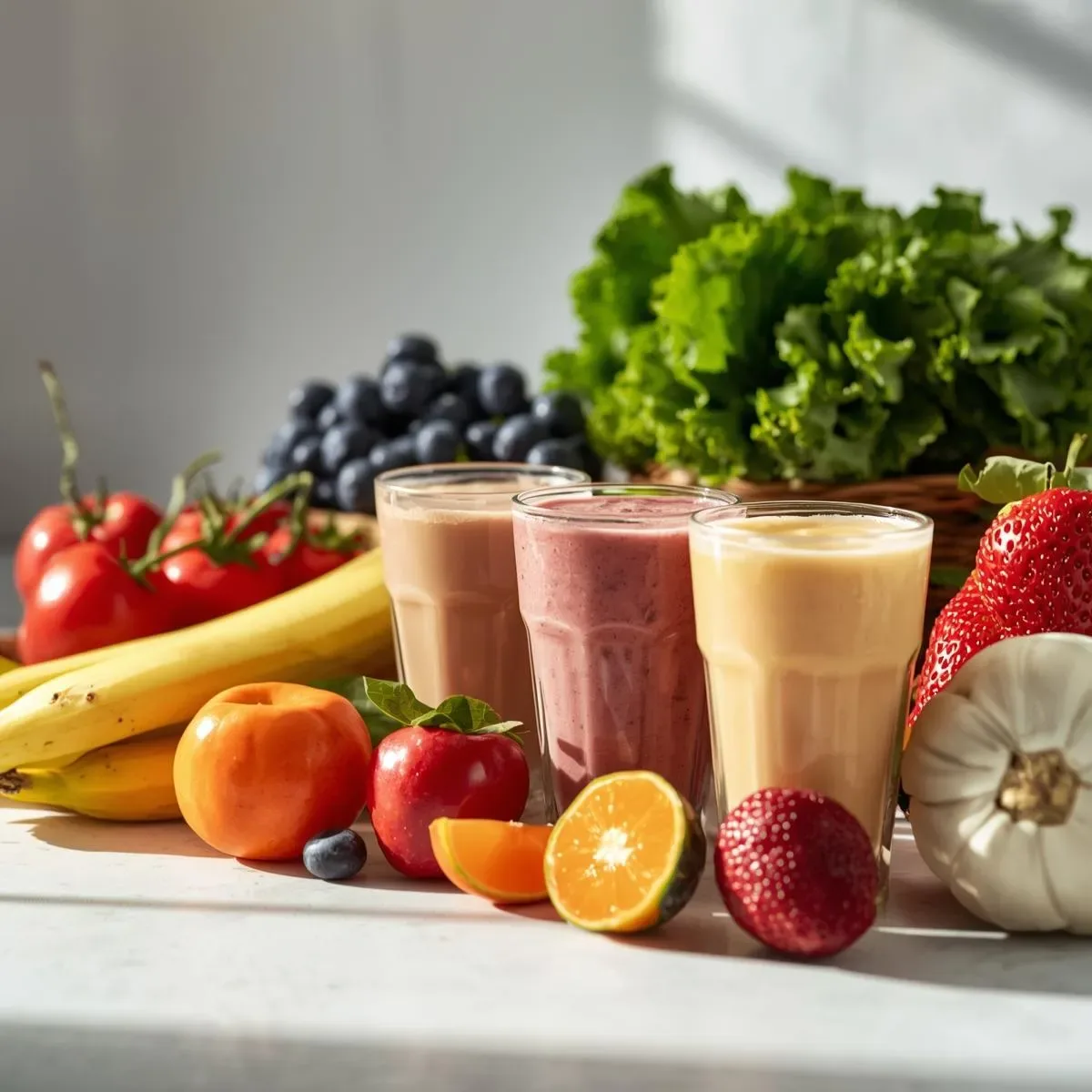
Anti-Inflammatory Foods for Cancer Patients Who Have Just Finished Chemotherapy
Anti-inflammatory foods for cancer patients who have just finished chemotherapy. Chemotherapy treatment, while effective at destroying cancer cells, also brings significant side effects to the body, such as fatigue, loss of appetite, digestive irregularities, and internal inflammation. These effects can slow a patient's recovery or leave them feeling unwell much of the time. Food therefore plays a crucial role after chemotherapy, not only helping to repair cells and boost energy, but also helping to reduce inflammation and strengthen immunity. Let us introduce you to anti-inflammatory foods suited to cancer patients recovering from chemotherapy, along with simple eating tips, and recommend a nutritional aid from Royim Protein designed specifically to meet the needs of cancer patients.
Why do cancer patients experience inflammation in the body after chemotherapy? Inflammation is the body's response when it is ill or injured. In patients who have just finished chemotherapy, the main causes are as follows:
- Medication side effects Chemotherapy drugs destroy both cancer cells and normal cells, causing irritation and inflammation in various organs such as the mouth, intestines, and stomach
- Weakened immunity A drop in white blood cells means the body is slower to manage inflammation
- Increased free radicals The treatment process and the stress of illness generate free radicals that trigger inflammation
Eating anti-inflammatory foods is therefore one way to help ease symptoms and speed up recovery.
Principles of eating to reduce inflammation for patients after chemotherapy
- Choose fresh, natural, unprocessed foods Reduce ready-made foods, high sugar, and trans fats
- Focus on colorful fruits and vegetables Antioxidants in fruits and vegetables, such as beta-carotene and vitamin C, help reduce inflammation
- High-quality, easily digestible protein Essential for repairing cells and building immunity
- Healthy fats Omega-3 fatty acids help reduce inflammation at the cellular level
- Drink enough water Water helps flush out toxins and improves blood circulation
Recommended foods that help reduce inflammation
- Dark leafy green vegetables such as kale, spinach, and broccoli are rich in vitamin C, vitamin K, and antioxidants. Can be boiled, steamed, or blended into vegetable and fruit juice
- Berries Blueberries, strawberries, raspberries contain flavonoids that help reduce inflammation and boost immunity. Can be added to smoothies or sprinkled on yogurt
- Fatty fish Salmon, tuna, sardines are rich in omega-3s, which help reduce tissue inflammation. Should be grilled or boiled, not fried in oil
- Whole grains Brown rice, quinoa, oats provide high fiber, helping to control blood sugar and reduce inflammation
- Nuts and seeds Almonds, walnuts, flaxseeds are sources of protein and healthy fats
- Anti-inflammatory herbs and spices Turmeric, ginger, garlic contain curcumin and gingerol, which help reduce swelling and pain
Sample menu for patients after chemotherapy
- Morning Oatmeal porridge with crushed nuts and fresh fruit
- Lunch Brown rice with grilled salmon and stir-fried broccoli
- Evening Chicken soup with shiitake mushrooms and ginger
- Snack Berry smoothie mixed with low-fat yogurt
Tip: Divide meals into 4–5 small portions per day to ease the burden on the digestive system and ensure adequate energy intake.
Other care practices that help reduce inflammation
- Get enough rest Sleep 7–8 hours; deep sleep periods are when the body repairs cells
- Drink warm water Helps stimulate blood circulation and flush out waste
- Manage stress Meditation, listening to music, or talking with loved ones helps reduce stress hormones, which trigger inflammation
Nutritional support from Royim Protein Even with the best efforts to eat a balanced diet, many patients after chemotherapy face problems such as loss of appetite, difficulty chewing, or a digestive system that has not fully recovered, resulting in insufficient nutrient intake. The supplemental protein product for cancer patients from Royim Protein is therefore another convenient and safe option.
Key features of Royim Protein products
- Supplemental protein for cancer patients Easy to digest, quickly absorbed, suitable for cancer patients
- Contains vitamin C, zinc, selenium and antioxidants that help reduce inflammation
- Gentle formula for the stomach Does not cause bloating
How to consume
- Mix 1 sachet of protein powder with 150–200 ml of warm water
- Drink 1–2 times per day between meals or as a snack
- Can be blended with anti-inflammatory fruits such as berries or bananas to add flavor and nutritional value
Benefits for reducing inflammation
- Adds high-quality protein to repair cells after chemotherapy
- Contains antioxidants that help ease inflammation and boost immunity
- Convenient ideal for days when eating regular food isn't appealing
Cancer patients who have just finished chemotherapy need to pay close attention to their diet in order to reduce inflammation and support recovery. Choosing colorful fruits and vegetables, fatty fish, whole grains, and anti-inflammatory herbs, along with drinking enough water and getting adequate rest, will help the body regain strength more quickly. If eating solid food is difficult, using the supplemental protein product for cancer patients from Royim Protein is another helpful option — it helps reduce inflammation, boosts immunity, and gives the body the energy it needs to recover with confidence. At every step of your recovery, Royim Protein is here beside you. Our specially formulated protein shake is designed to boost energy, restore muscle, and help strengthen your body, filling every day with the strength to keep fighting. Choose Royim Protein, the right partner for your good health today.