
Blogs
Blood Values, Liver, and Kidneys: Why These Organs Affect Chemotherapy
Blood Values, Liver, and Kidneys: Why These Organs Affect Chemotherapy
Blood Values, Liver, and Kidneys: Why These Organs Affect Chemotherapy. Many cancer patients undergoing chemotherapy treatment must face blood tests again and again, because blood values are a key indicator of whether the body is ready to receive chemotherapy drugs. Many times, when blood values do not pass, treatment must be postponed, which affects both the body and the mind.
Why blood values matter for chemotherapy First, it's important to understand which blood values doctors typically consider:
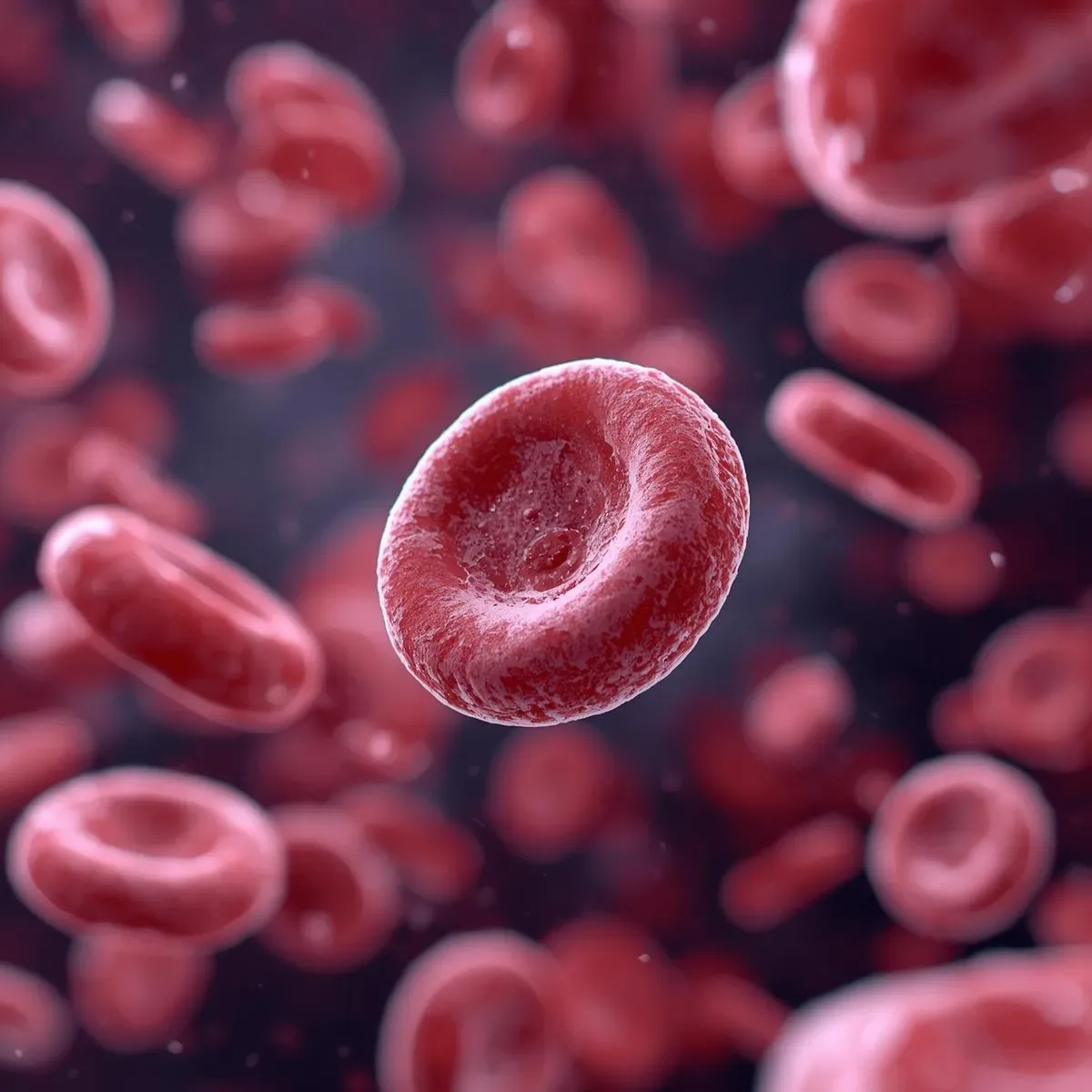
- Red blood cells (Hemoglobin / Hct): used to assess anemia and the body's ability to carry oxygen
- White blood cells (WBC / ANC): indicate immunity — if too low, the risk of severe infection increases
- Platelets: important for blood clotting — if too low, the risk of easy bleeding increases
- Blood chemistry (LFT, KFT): used to assess liver and kidney function
When these values are abnormal, especially low white blood cells or low platelets, doctors will delay chemotherapy because severe complications could occur.
The relationship between blood values and the liver The liver is the main organ responsible for eliminating and metabolizing drugs, as well as producing important proteins such as albumin and blood-clotting factors. When the liver does not function normally, several effects can occur:
- Chemotherapy drugs accumulate in the body — when liver enzymes cannot fully eliminate the drug, it builds up, causing more severe side effects such as nausea, vomiting, or bone marrow suppression
- Low albumin — causes abnormal drug transport in the blood, increasing the risk that the drug will harm organs
- Abnormal blood clotting — if the liver does not produce enough protein, platelets and clotting factors will function abnormally, increasing the risk of easy bleeding
Therefore, when test results show abnormally high liver enzyme values (such as SGOT, SGPT, ALP, Bilirubin), doctors often postpone chemotherapy.
The relationship between blood values and the kidneys The kidneys are responsible for filtering waste products and many types of drugs, and also play a role in maintaining the electrolyte balance in the blood. When kidney function declines, the consequences include:
- Accumulation of chemotherapy drugs — making the toxicity from chemotherapy more severe, such as greater-than-normal bone marrow suppression
- High creatinine and BUN levels — indicate declining kidney function, affecting decisions about drug dosage or delaying treatment
- Anemia of Chronic Kidney Disease — the kidneys produce the hormone Erythropoietin to stimulate the bone marrow to produce red blood cells; if the kidneys deteriorate, this hormone decreases, leading to chronically low red blood cell counts
Reasons blood values often fail to pass in chemotherapy patients
- The liver and kidneys cannot eliminate drugs at full efficiency → more bone marrow suppression occurs
- Malnutrition → low protein levels mean the body cannot repair blood cells effectively
- Direct side effects of the drugs → suppress the production of red blood cells, white blood cells, and platelets
- Infection or complicating inflammation → causes abnormal blood cell counts
Nutrition and liver, kidney function, and blood values Nutritional care plays an extremely important role in treatment.
High-quality protein
- Helps repair cells and produce blood cells
- Protein from whey protein, soy, fish, and egg whites are easily absorbed sources
- Protein should be supplemented adequately according to the recommendations of doctors and dietitians
Anti-inflammatory Diet
- Such as salmon, olive oil, brown rice, and colorful fruits and vegetables
- Reduces inflammation that affects liver and kidney function
Liver-friendly foods
- Reduce fried foods and trans fats
- Avoid alcohol and herbal medicines that may be toxic to the liver
Kidney-friendly foods
- If kidney values are abnormal, protein and electrolyte intake such as potassium and phosphorus must be adjusted
- Choose protein that is easy to digest and in an appropriate amount
Supplementing with protein shakes for chemotherapy patients Protein shakes are an important aid because they:
- Are easy to digest and absorb quickly
- Provide complete energy and protein in an appropriate amount
- Can supplement vitamins and minerals that patients lack, such as B-complex vitamins, iron, and zinc
- Reduce muscle wasting associated with low blood values
Using Personalized Nutrition for patients whose blood values do not pass Nutrition should be tailored individually, based on:
- Blood test results (CBC, LFT, KFT)
- Side effects, such as nausea and loss of appetite
- Body weight and body mass index
- Comorbidities, such as diabetes, hypertension, and high blood lipids
Having an expert help design a nutrition plan together with protein shakes is therefore very important.
Additional guidelines for body care to prevent falling blood values
- Get enough rest and reduce stress
- Do light exercise, such as walking or yoga, to stimulate blood circulation
- Drink enough clean water to support kidney function
- Avoid substances toxic to the liver, such as alcohol and very fatty foods
- Use nutritional supplementation from protein shakes and medical products
Nutritional supplementation from Royim Protein A product designed specifically to help cancer patients, with the following key features:
- Easy-to-digest, fast-absorbing protein
- Supplemented with BCAA to prevent muscle breakdown
- Contains vitamins and minerals that support blood cell production, such as folate, vitamin B12, and iron
- Free from lactose and excess sugar
How to drink it
- Drink 1–2 glasses per day
- Mix with room-temperature water (very hot water is not recommended)
- Ideal times: 1 glass in the morning to boost energy, and 1 glass before bed to repair the body overnight
Benefits for patients with low platelets
- Faster recovery of platelet production
- Reduced likelihood of postponing chemotherapy cycles
- Increased energy, reduced fatigue
- Support for the immune system, reducing the chance of infection
- Faster body recovery, ready again for treatment
Blood values, the liver, and the kidneys are all important factors that directly affect chemotherapy. Patients whose liver or kidneys function abnormally often face the problem of blood values not passing, leading to delayed treatment. Nutritional care is therefore the key, especially supplementing with high-quality protein such as Royim Protein, and foods that are friendly to these organs. In every step of your recovery, Royim Protein is here to stand by your side. Our specially formulated protein shake is designed to boost energy, restore muscle, and help strengthen your body. Let every day be filled with the strength to fight on. Choose Royim Protein, the right partner for your good health today.