
Blogs
Cancer Treatment: How Do Anti-Cancer Drugs Work? Know the Medicines You're Taking and the Nutrition That Can Help Reduce Side Effects
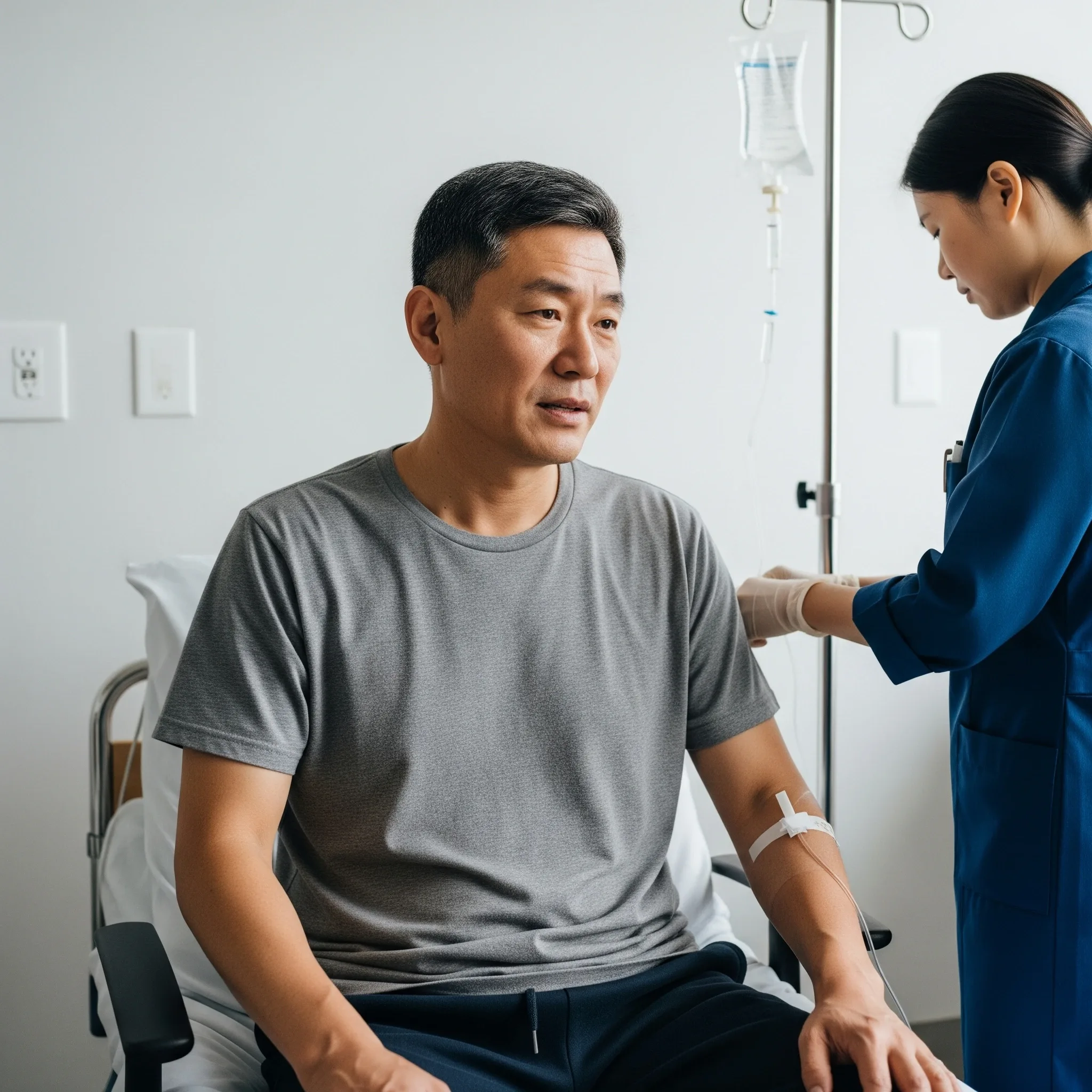
Cancer Treatment: How Do Anti-Cancer Drugs Work? Know the Medicines You're Taking and the Nutrition That Can Help Reduce Side Effects
Cancer Treatment: How Do Anti-Cancer Drugs Work? Know the Medicines You're Taking and the Nutrition That Can Help Reduce Side Effects. When Cancer Treatment Is More Than Just Killing Malignant Cells. Cancer treatment today has grown increasingly complex, especially with the use of anti-cancer drugs, one of the cornerstones of cancer therapy. While these drugs are highly effective at destroying cancer cells, they often come with side effects that also affect the healthy cells in a patient's body. We'll walk you through how anti-cancer drugs work and offer guidance on supporting the body through proper nutrition, especially protein shakes designed specifically for cancer patients.
What Are Anti-Cancer Drugs? Anti-cancer drugs, or chemotherapy drugs, are a class of medicines that act on the growth of cancer cells, aiming to stop or destroy abnormal cells to prevent them from spreading further. These drugs may be used alone or alongside other treatments, such as radiation therapy, surgery, or immunotherapy.
Types of Anti-Cancer Drugs
- Cytotoxic drugs directly kill cancer cells, such as Cyclophosphamide and Doxorubicin
- Targeted therapy specifically inhibits proteins or genes involved in cancer cell growth, such as Imatinib
- Hormonal therapy rebalances hormones that stimulate cancer cell growth, such as Tamoxifen
- Immunotherapy stimulates the immune system to attack cancer cells, such as Pembrolizumab
How They Work Anti-cancer drugs typically act during the phase when cells are dividing rapidly, and may work by
- Inhibiting DNA replication
- Blocking proteins essential to cell division
- Triggering cancer cells to undergo apoptosis (programmed cell death)
Side Effects of Anti-Cancer Drugs and Their Impact on the Body Although these drugs are highly effective, they cannot fully distinguish between cancer cells and normal, fast-dividing cells, such as intestinal lining cells, blood cells, and hair follicle cells, resulting in the following side effects
Common Effects
- Nausea and vomiting
- Hair loss
- Loss of appetite and weight loss
- Reduced blood cell counts, raising infection risk
- Chronic fatigue
Systems Affected
- Digestive system: irritated intestines, diarrhea
- Blood system: reduced white blood cells, red blood cells, and platelets
- Muscular system: loss of muscle mass due to poor appetite and protein breakdown
What Does the Body Need While Undergoing Treatment with Anti-Cancer Drugs?
Protein: The Heart of Recovery Protein is a key nutrient essential for tissue repair, immune system support, and preserving muscle mass, which is especially important while the body is being damaged by chemotherapy.
Vitamins and Minerals
- B-complex vitamins reduce fatigue and support metabolism
- Iron supports red blood cell production
- Zinc supports the repair of skin and mucous membranes
- Vitamins C and E act as antioxidants, reducing side effects
Healthy Fats and Sufficient Energy For patients with poor appetite, it's essential to provide adequate energy through healthy fats, such as olive oil, avocado, or even fish oil.
Protein Shakes: A Recovery Aid on Days When You Can Eat Little
Why Protein Shakes for Cancer Patients?
- Easy to digest, requiring less energy to break down
- Provide high-quality protein, such as whey, soy protein, or egg protein
- Fortified with additional nutrients, such as vitamins, minerals, and essential amino acids
Protein Shakes During Chemotherapy
- Before chemo: prepare the body and reduce the likelihood of side effects
- During chemo: help reduce fatigue and exhaustion when normal eating isn't possible
- After chemo: restore healthy cells, repair muscle, and boost immunity
How to Choose a Protein Shake Suited to Cancer Patients
- No added sugar or preservatives
- No milk or lactose (for those with allergies)
- Fortified with essential vitamins and minerals
- Mild flavor that won't trigger nausea
Self-Care Tips While Taking Anti-Cancer Drugs
Nutrition Is Key
- Divide meals into smaller portions throughout the day
- Drink enough water to help flush out waste
- Avoid fried foods, high-fat foods, and processed foods
Rest and Recovery
- Get enough sleep (7-9 hours a day)
- Avoid strenuous activity on chemo days
- Do gentle activities such as walking or breathing exercises to help restore morale
Monitor Symptoms and Consult Your Doctor If you experience abnormal symptoms such as high fever, severe loss of appetite, or persistent vomiting, notify your medical team immediately.
Good treatment requires comprehensive care. Anti-cancer drugs are central to cancer treatment, but they aren't the only answer. A patient's body needs good nutrition to restore the systems affected by treatment. Adding a protein shake that is safe and suited to cancer patients is therefore another option that helps reduce side effects, boost strength, and elevate quality of life throughout the fight against this serious illness. Good health begins with understanding, and choosing the right nutrition, at every step of recovery. Royim Protein is here to stand by your side. Our specially formulated protein shake is designed to boost energy, restore muscle, and help strengthen your body, so every day is filled with the strength to keep fighting. Choose Royim Protein, the right partner for your good health today.