
Blogs
Chemo Is Not the End: What to Eat After Chemotherapy - Nutrition Tips to Survive, Recover Fast, and Avoid Setbacks
Chemo Is Not the End: What to Eat After Chemotherapy - Nutrition Tips to Survive, Recover Fast, and Avoid Setbacks
Chemo is not the end. What should you eat after chemotherapy? Nutrition tips to survive, recover quickly, and avoid setbacks. Chemotherapy can look frightening, but in truth it is the first step of recovery, not the end. When you take care of yourself with proper nutrition, your body has a real chance to recover faster, even while facing loss of appetite, nausea, or fatigue. That's why we focus on essential nutrients such as iron, vitamin B12, and protein, along with simple daily meal ideas, including protein shakes as a supplemental option when chewing food is difficult.
Understanding the side effects of chemotherapy
- Low blood counts cause easy fatigue, weakened immunity, and higher infection risk
- Nausea and loss of appetite discourage eating, leading to malnutrition
- Muscle wasting reduced movement leaves you without the strength for daily life
- Weakened digestive system bloating, diarrhea, or mouth sores make eating difficult
Nutrition therefore becomes a key factor in supporting a fuller recovery — not simply a matter of wanting to eat normal food, as many mistakenly believe.
Key nutrients after chemotherapy
- Protein — power for muscle and immune recovery: steamed chicken breast, tofu, fish, egg whites. The recommended intake is 1.2-1.5 grams per kilogram of body weight per day, helping build new cells and red blood cells
- Iron — replenishes the blood: found in animal liver, leafy green vegetables, and legumes, leading to stronger red blood cells and a fresher feeling
- Vitamin B12 & folate — support blood and nerve health: found in organ meats, eggs, fish, and whole grains, essential for blood cell division
- Fiber + probiotics — restore digestive health: fresh vegetables and fruits, whole grains, yogurt, and fermented milk reduce constipation and improve absorption
- Healthy fats — reduce inflammation: olive oil, flaxseed, salmon help repair muscle and ease post-chemo aches
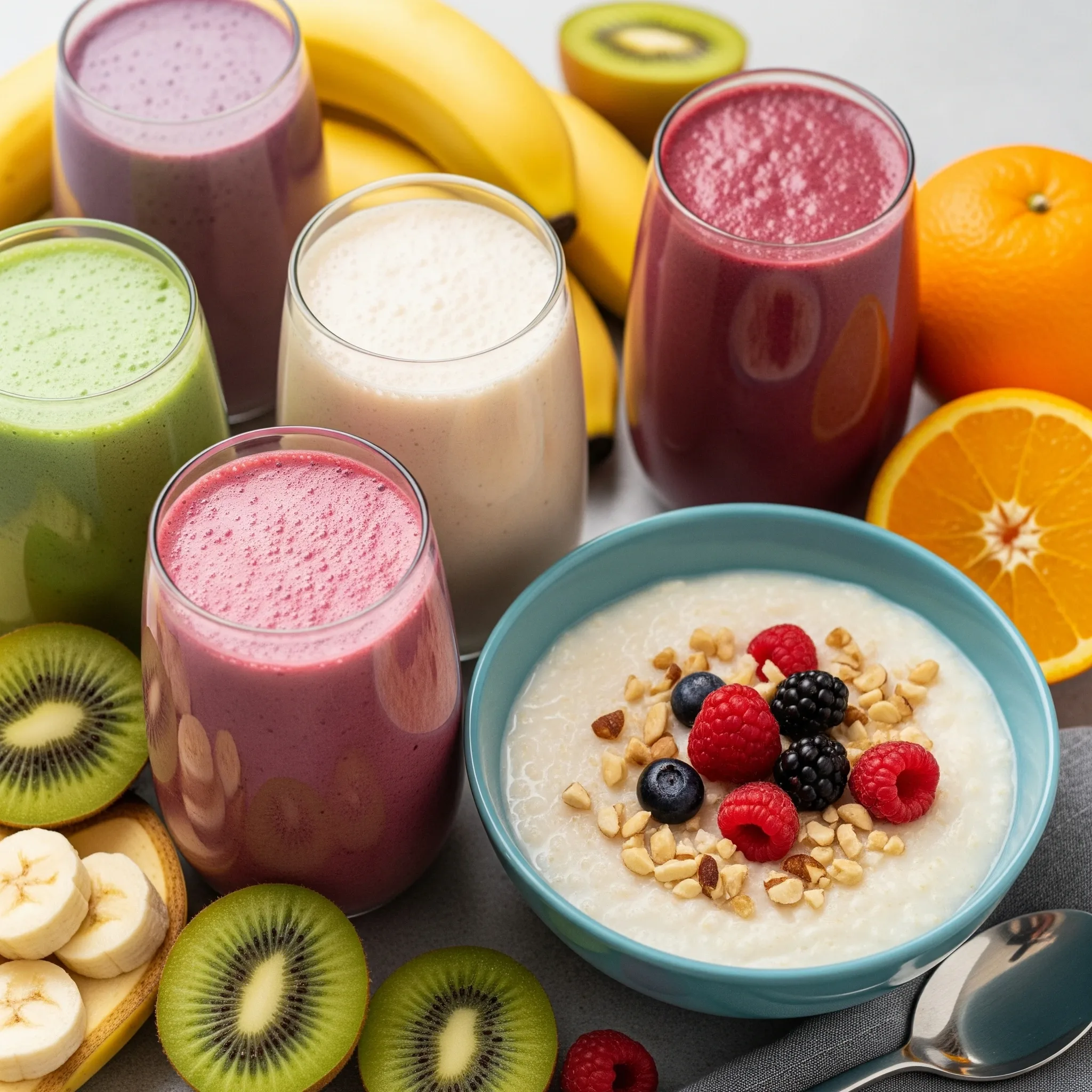
Protein shakes: an easy solution on days when you can't manage a full meal. On days when you don't feel like eating or can't chew, a protein shake is the best option.
- Easy to digest gentle on the stomach
- Instant energy contains protein that supports muscle and blood cells
- Customizable add iron, vitamin B12, or fiber
- Convenient can be drunk anytime as a substitute when eating is difficult
One meal a day plus a protein shake
- Morning start the day with oatmeal porridge, which provides energy along with dietary fiber, complemented with a boiled egg as an excellent source of protein, and rounded out with a banana protein shake to add energy and nutrients from the start of the day
- Morning snack during the mid-morning, you can drink a berry-flavored protein shake to add protein and vitamins from berries, helping you feel full longer and refreshed
- Lunch focus lunch on healthy food with brown rice, which provides complex carbohydrates, complemented with steamed salmon as a source of protein and healthy fats (omega-3), along with stir-fried green vegetables to add vitamins and fiber
- Afternoon snack in the afternoon, you can choose to drink an iron-fortified protein shake to supplement the iron needed for blood cell production and reduce fatigue
- Evening end the day with an easy-to-digest but nutritious meal such as tofu soup, which provides plant-based protein, eaten alongside soft egg tofu and whole-grain congee to ensure complete nutrition and help the body rest fully
Additional recovery tips
- Drink enough water you should drink at least 1.5-2 liters of clean water per day to maintain fluid balance in the body, help eliminate waste, and allow the body's systems to function efficiently
- Avoid inflammation-triggering foods avoid foods that may trigger inflammation in the body, such as refined sugar, fried foods, and processed meats, to reduce the burden on the immune system and support recovery
- Move your body gently even during recovery, physical movement remains essential. Try light walking or stretching for about 10-15 minutes a day to stimulate blood circulation and help prevent muscle wasting
- Get enough sleep and rest quality sleep of at least 7-8 hours per night is when the body repairs and restores itself fully — an important factor that should not be overlooked
- Avoid caffeine in the evening to ensure quality sleep, avoid consuming caffeine in the evening or before bed, as it may disrupt your sleep cycle and prevent full rest
Care for the mind alongside the body
- Practice meditation regularly / listen to relaxing music
- Talk with your caregivers or join a support group
- Talk with your doctor when you want to adjust your diet or take supplements
Chemo is not the end. If we take good care of ourselves, essential nutrients such as protein, iron, and B12 are the heart of recovery. Protein shakes are a tool that is simple, safe, and effective. When medicine, food, and mindset work together, you have a real chance to return to living strong, standing firm amid hardship, in every step of recovery. Royim Protein is here to stand by your side. Our specially formulated protein shakes are designed to boost energy, restore muscle, and help your body grow stronger, filling every day of yours with the strength to keep fighting. Choose Royim Protein, the right partner for your good health today.