
Blogs
Chemotherapy and Physical Rehabilitation for Faster Recovery
Chemotherapy and Physical Rehabilitation for Faster Recovery
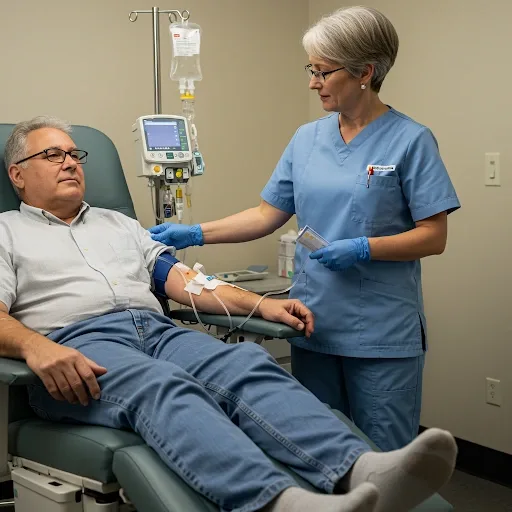
Chemotherapy and physical rehabilitation for faster recovery. Chemotherapy, also known as chemo, is a cancer treatment that uses chemotherapy drugs, which act to destroy or inhibit the growth of cancer cells. Chemotherapy drugs act throughout the whole body, allowing them to eliminate cancer cells that have spread to various parts of the body. However, chemotherapy drugs also affect normal cells in the body, leading to various side effects.
How chemotherapy works Chemotherapy is one of the cancer treatment methods that uses chemical drugs to destroy cancer cells or inhibit the growth of abnormal cells in the body. Chemotherapy drugs can be given intravenously, orally, or injected directly into the affected area. The principle behind chemotherapy is to interfere with the cell division process of cancer cells, which can help shrink tumors or destroy cancer cells that have spread to other parts of the body.
Side effects of chemotherapy The side effects of chemotherapy vary from person to person, depending on the type of drug, the dosage, and the patient's physical condition. Common side effects include
- Nausea and vomiting This is the most common side effect and can be controlled with anti-nausea medication
- Loss of appetite This causes patients to receive insufficient nutrients
- Hair loss This occurs because chemotherapy drugs damage hair follicle cells
- Fatigue This results from the effects of the drugs on various cells in the body
- Low white blood cell count This weakens the immune system and makes infection more likely
- Low red blood cell count This causes anemia, fatigue, and difficulty breathing
- Low platelet count This causes slower blood clotting and easy bruising or bleeding
Ways to reduce side effects such as nausea, fatigue, and malnutrition
Managing nausea and vomiting Nausea and vomiting are common side effects of chemotherapy treatment, which can be managed in the following ways
Adjusting eating habits
- Eat small, frequent meals to prevent the stomach from becoming too empty, which may trigger nausea
- Avoid high-fat foods, fried foods, or foods with strong odors, as they may worsen nausea
- Choose easily digestible foods such as rice porridge, congee, or clear soup
- Eat food at room temperature or cold to reduce the smell and taste that may trigger nausea
Beverages and herbs
- Drink warm ginger tea or warm lemon water, which can help relieve nausea
- Sip plain water or ice chips frequently to prevent dehydration
- Drink beverages that help the stomach recover faster, such as chamomile tea
Anti-nausea medication
- Consult your doctor about anti-nausea medications that may help The doctor will prescribe medication appropriate to the patient's symptoms and physical condition
- If nausea persists for weeks or months, keep a food diary to identify which foods trigger the symptoms
Managing fatigue Fatigue is a common side effect of chemotherapy treatment that significantly affects the patient's quality of life. Properly managing fatigue will help patients carry out their daily activities more effectively.
- Get enough rest Getting enough sleep and rest is the most important factor in managing fatigue. A regular sleep schedule should be maintained, and an environment suitable for sleep should be created. Avoid strenuous activities during periods when the body is fatigued
- Take breaks throughout the day Taking breaks throughout the day helps the body restore its energy. Schedule several short rest periods instead of one long one. A short nap of about 15-20 minutes can help reduce fatigue
- Do light exercise Light exercise such as walking, yoga, or tai chi can help boost energy and reduce fatigue. Consult your doctor before starting any exercise to make sure it is suitable for the patient's physical condition
- Energy management Plan daily activities by prioritizing tasks and doing the most important ones when the body has the most energy. Ask for help from family or friends with activities that require a lot of effort
- Nutrition Eat nutritious, energy-giving foods such as protein, complex carbohydrates, and healthy fats. Drink enough water to prevent dehydration
- Emotional care Stress and anxiety can worsen fatigue. Make time to relax and do activities you enjoy. Talking with family, friends, or a counselor can help manage stress
Preventing malnutrition Malnutrition is a common problem in cancer patients, which can arise from several causes, such as treatment side effects, reduced appetite, or changes in the body's metabolism. Malnutrition can weaken the body, slow recovery, and reduce the effectiveness of treatment. Preventing malnutrition is therefore extremely important.
Eat foods with complete nutrients
- Focus on high-protein foods to help maintain muscle mass and strengthen the immune system
- Eat a variety of colorful vegetables and fruits to get the vitamins and minerals the body needs
- Choose complex carbohydrates such as whole grains, to provide the body with a steady supply of energy
- Consume healthy fats such as olive oil, avocado, and fatty fish
Add easily digestible protein sources
- Fish is an easily digestible, low-fat protein source
- Eggs are a complete protein source with a variety of nutrients
- Tofu is an easily digestible, low-fat plant-based protein source
- Whey protein is a protein extracted from milk that is easy to digest, suitable for patients who have difficulty eating
How protein shakes help restore muscle and boost energy Protein is a nutrient essential to the process of repairing and building new cells, which is especially important for patients undergoing chemotherapy, since treatment can cause muscle wasting and weakness. Consuming protein shakes can help ensure the body gets enough protein each day, helping muscles recover faster and boosting the body's energy.
How to choose the right protein shake for cancer patients
- Choose easily digestible protein such as whey protein isolate or plant-based protein
- Avoid protein products high in sugar or synthetic additives
- Consult your doctor before consuming to make sure it is suitable for each individual's health condition
Caring for the body after chemotherapy is essential to help the body recover quickly and reduce the side effects that occur. Choosing the right foods, getting enough rest, and supplementing nutrition with protein shakes can help the body regain its strength faster. At every step of your recovery, Royim protein is here by your side. Our specially formulated protein shake is designed to boost energy, restore muscle, and help strengthen the body, filling every day with the strength to keep fighting. Choose Royim protein, the right partner for your good health today.