
Blogs
Chemotherapy Doesn't Just Destroy Cancer Cells: How to Recover Quickly with High-Protein Nutrition
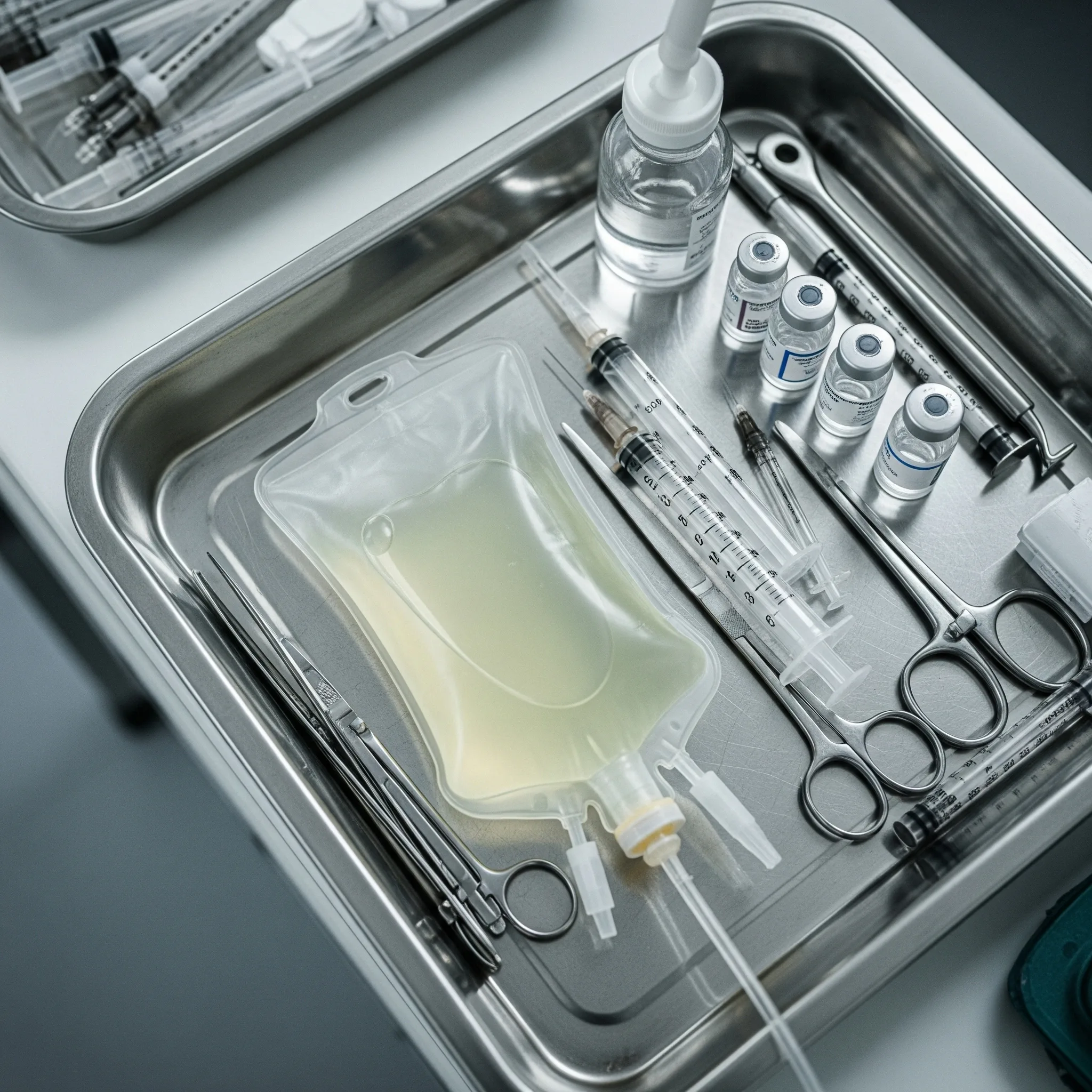
Chemotherapy Doesn't Just Destroy Cancer Cells: How to Recover Quickly with High-Protein Nutrition
Chemotherapy is one of the cancer treatments doctors have relied on for a long time, with the main goal of destroying cancer cells that grow and divide rapidly. However, chemotherapy doesn't selectively destroy only cancer cells — it also affects normal cells throughout the body, especially those that divide quickly, such as cells in the bone marrow, the digestive tract, and the skin. As a result, patients often face side effects such as fatigue, loss of appetite, muscle wasting, and weight loss. In this article, we'll take a closer look at how chemotherapy affects several body systems, and offer guidance on rebuilding strength through high-protein nutrition, including the important role protein shakes play in reducing side effects and supporting recovery.
Effects of Chemotherapy on the Body That Aren't Talked About Often
- Muscle wasting One important but often overlooked effect is the loss of muscle mass caused by loss of appetite and the nausea and vomiting that commonly accompany chemotherapy. Muscle loss affects physical performance, mobility, and long-term quality of life.
- Effects on blood cells Chemotherapy can damage the stem cells in the bone marrow responsible for producing red blood cells, white blood cells, and platelets, leading to anemia, weakened immunity, and an increased tendency to bleed easily.
- Disrupts the digestive system Cells in the digestive tract are damaged, causing loss of appetite, diarrhea, or constipation, which means patients often don't get enough nutrients and can easily become malnourished.
- Affects taste and smell Patients often lose their sense of taste or notice strange tastes or smells in their mouth, making food unappealing, which leads to loss of appetite and weight loss.
High-Protein Nutrition: A Key Tool for Rebuilding the Body After Chemotherapy
What is protein, and what role does it play in recovery? Protein is a key nutrient essential for building muscle, repairing tissue, and strengthening the immune system. Patients who have undergone chemotherapy need more protein than the average person to make up for lost muscle mass and to support blood cell production.
Recommended protein intake For cancer patients, it's recommended to consume approximately 1.2–2.0 grams of protein per kilogram of body weight per day, depending on the patient's physical condition and the guidance of a dietitian or treating physician.
High-Quality Protein Sources
- Eggs A complete protein source that's easy to find and affordable, containing all the essential amino acids, and can be prepared in many different ways.
- Fish Rich in high-quality protein and omega-3 fatty acids, which benefit heart and blood vessel health. Choose fish that's steamed, baked, or grilled rather than fried.
- Skinless chicken Especially chicken breast, an excellent source of lean protein, ideal for those who need high protein while keeping fat intake in check.
- Tofu and soybeans An excellent plant-based protein, suitable for vegetarians or anyone looking to reduce meat consumption. Can be used in both savory and sweet dishes.
- Yogurt or low-fat dairy products In addition to protein, these also provide calcium and probiotics (in yogurt), which benefit bone health and digestion. Choose low-fat or fat-free varieties with no added sugar.
- Protein shakes (a convenient, easy-to-digest option) A good choice for those who need a set amount of protein quickly, or who have difficulty eating regular meals. Protein shakes made from whey isolate or plant-based protein in particular tend to be easy to digest and absorb well.
Protein Shakes: A Boost for Energy and Immunity After Chemotherapy
Why protein shakes are well-suited for cancer patients
- Easy to digest — ideal for those with a poor appetite or weak digestion Most protein shakes have a liquid texture and go through a process that breaks the protein down into smaller particles, so the body can digest and absorb it easily and quickly. This puts little strain on the digestive system, making it especially suitable for those who feel a loss of appetite, nausea, or have weak digestion.
- Delivers high energy and protein without needing to eat large amounts of food For those who need to increase their protein and energy intake but can't manage large meals — such as patients recovering from illness or older adults — protein shakes can deliver concentrated high-quality protein and essential energy without forcing down a big meal.
- Can be fortified with vitamins, minerals, and antioxidants Many protein shake formulas are fortified with essential vitamins and minerals, and some also add antioxidants, helping those who drink them get more complete nutrition in a single serving — nourishing the body and boosting immunity at the same time.
Which Side Effects Can Protein Shakes Help Reduce?
- Reduces fatigue by providing quick energy Protein shakes are formulated so the body can digest and absorb them quickly, delivering the nutrients needed to produce energy right away. This effectively reduces exhaustion and fatigue, helping you feel more energized and ready for daily activities.
- Prevents muscle wasting and weight loss Protein is the main building block of muscle. When the body doesn't get enough protein, it starts breaking down muscle for energy. Getting consistent high-quality protein from protein shakes helps prevent muscle wasting and unwanted weight loss, preserving muscle mass and overall strength.
- Boosts immunity with essential amino acids Protein is made up of amino acids, which are essential building blocks of immune cells and antibodies. Getting enough essential amino acids from protein shakes helps strengthen the body's immune system, allowing it to fight off illness more effectively, reducing the risk of infection, and helping the body recover faster when sick.
The Best Times to Drink a Protein Shake
- After waking up After a full night's sleep, the body enters a nutrient-depleted state, especially when it comes to protein. Drinking a protein shake at this time helps the body absorb protein quickly, halting muscle breakdown (catabolism) and kicking off muscle building and recovery for the day.
- After chemotherapy (for cancer patients) Chemotherapy treatment can damage cells and tissues throughout the body. Drinking a protein shake after a chemotherapy session helps effectively repair damaged tissue, supports white blood cell production, and helps the body recover its strength — reducing treatment side effects and improving patients' quality of life.
- Before bed During sleep, the body enters a state of repair and recovery. Drinking a protein shake (especially a slow-digesting protein like casein) before bed helps support ongoing muscle and cell recovery throughout the night, so you wake up feeling refreshed and ready for the day.
Simple High-Protein Meal Ideas for Patients After Chemotherapy
- Fish congee with egg whites Easy to digest and high in protein.
- Brown rice with stir-fried tofu and vegetables Adds fiber and plant-based protein.
- Unsweetened soy milk mixed with protein shake An extra protein boost you can drink.
- Whole wheat bread with shredded chicken breast Easy to carry, perfect for a light meal.
While chemotherapy aims to destroy cancer cells, it inevitably affects normal cells in the body as well. Patients therefore need comprehensive care, especially proper nutrition. Boosting protein intake — particularly through protein shakes — is an effective option that clearly helps reduce side effects, rebuild the body, and improve quality of life during recovery from cancer treatment. With proper nutritional care alongside comprehensive treatment, recovery can be faster and more effective. At every step of your recovery, Royim Protein is here beside you. Our specially formulated protein shake is designed to boost energy, restore muscle, and help strengthen your body — filling every day with the strength to keep fighting. Choose Royim Protein, the right choice for your health today.