
Blogs
Colon Cancer, Liver Cancer, Lung Cancer: What Are the Symptoms and Treatment Approaches for Different Types of Cancer?
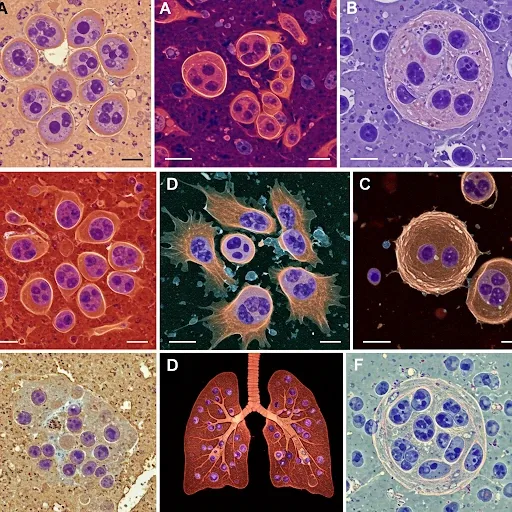
Colon Cancer, Liver Cancer, Lung Cancer: What Are the Symptoms and Treatment Approaches for Different Types of Cancer?
Colon cancer, liver cancer, lung cancer — what are the symptoms and treatment approaches for the different types of cancer? Cancer is a group of diseases caused by abnormal, uncontrolled cell growth that can spread to other parts of the body. There are many types of cancer, and each has its own symptoms and treatment approach. Here we cover three common types: colon cancer, liver cancer, and lung cancer.
Symptoms of each type of cancer Cancer is a serious disease caused by abnormal growth of cells in the body, which can spread to various organs. Colon cancer, liver cancer, and lung cancer are among the most common cancers in the Thai population and worldwide, and each type presents with different symptoms, as follows:
Colon cancer is a common cancer in Thailand with a wide range of symptoms that can resemble other conditions, so noticing unusual symptoms and consulting a doctor is important. Common symptoms of colon cancer include:
- Blood in the stool This may be bright red or dark blood, mixed in with the stool or found on toilet paper.
- Abnormal bowel habits Alternating constipation and diarrhea, stools that become narrower or change shape, or a feeling of incomplete evacuation.
- Chronic abdominal pain Cramping or gripping pain in the abdomen, a feeling of abdominal discomfort, or excessive gas.
- Unexplained weight loss Rapid weight loss without intentionally trying to lose weight.
- Unexplained fatigue Feeling tired and weak, possibly with paleness (anemia).
If you experience these symptoms, or are concerned about your risk of colon cancer, you should consult a doctor for proper diagnosis and treatment.
Liver cancer is a dangerous and common cancer in Thailand. Symptoms of liver cancer may not be obvious in the early stages, but as the cancer progresses, the following symptoms appear:
- Pain or a feeling of fullness in the right upper abdomen The pain may be dull, or it may radiate to the back or right shoulder.
- Abnormal abdominal swelling This may present as ascites (fluid buildup in the abdomen).
- Loss of appetite and rapid weight loss There may also be nausea and vomiting.
- Yellowing of the skin and eyes (jaundice) The skin and eyes turn yellow, and urine becomes dark in color.
- Fatigue greater than usual Feeling tired, weak, and lacking in energy.
Lung cancer is a common and dangerous cancer, especially among smokers. Symptoms of lung cancer may not be obvious in the early stages, but as the cancer progresses, the following symptoms appear:
- Chronic cough, coughing up blood A persistent cough with no clear cause, with blood mixed in with the phlegm.
- Constant chest pain This may present as sharp pain or a tight feeling in the chest, which may worsen with coughing or deep breathing.
- Difficulty breathing or wheezing Shortness of breath, labored breathing, or abnormal wheezing sounds.
- Unexplained weight loss Rapid weight loss without intentionally trying to lose weight.
- Unusual fatigue Feeling weak and lacking in energy, and finding it harder to do activities that used to be easy.
Treatment methods and chances of a full recovery Cancer treatment depends on the stage of the disease and the patient's physical condition. The main treatment approaches are as follows:
- Surgery Used when the tumor is still at an early stage and can be removed. Commonly used for early-stage colon cancer and liver cancer.
- Chemotherapy Uses chemical drugs to kill cancer cells or slow their growth. May be used together with surgery or radiation therapy. Side effects include nausea, fatigue, and hair loss.
- Radiation therapy Uses high-energy radiation to destroy cancer cells. Commonly used for lung cancer and, in some cases, colon cancer.
- Targeted therapy Uses drugs that act specifically on cancer cells, with fewer side effects than chemotherapy.
- Immunotherapy Stimulates the immune system to better fight cancer cells.
The chances of a full recovery depend on many factors, such as the stage of the cancer, the patient's physical strength, and their response to treatment.
Nutrition and the role of protein shakes in recovery Proper nutrition helps the body recover faster and reduces side effects from cancer treatment. Recommended guidelines are as follows:
Foods to eat
- High-quality protein such as fish, eggs, tofu, and legumes.
- Vegetables and fruits rich in antioxidants, such as carrots, broccoli, and berries.
- Complex carbohydrates such as brown rice and whole wheat bread.
- Healthy fats such as olive oil, avocado, and nuts.
- Clean water to help the body flush out toxins and prevent dehydration.
Foods to avoid
- Processed foods, fermented foods, and foods with preservatives These foods often contain chemicals and additives that may be harmful to the body. Some fermented foods contain nitrites, which can convert into cancer-causing nitrosamines.
- Fried foods and foods high in trans fats Fried foods often contain acrylamide, a carcinogen. Trans fats increase the risk of heart and vascular disease, which can be harmful to cancer patients.
- Alcohol and high-sugar beverages Alcohol increases the risk of several types of cancer, such as liver cancer, colon cancer, and breast cancer. High-sugar beverages can lead to weight gain and increase the risk of diabetes, which can be harmful to cancer patients.
- Red meat Eating large amounts of red meat may increase the risk of colon cancer.
- Charred or burnt foods Foods that are charred from grilling, barbecuing, or frying contain carcinogens.
How do protein shakes help the body recover?
- Help ensure adequate protein intake especially for patients who have lost their appetite or have difficulty chewing.
- Help repair tissue and muscle damaged by treatment.
- Help give the body energy and reduce fatigue.
How to choose the right protein shake for cancer patients
- Choose a protein with a complete set of essential amino acids, such as whey protein or plant-based protein.
- Avoid protein shakes high in sugar or containing additives that may trigger inflammation.
- Consult a doctor or nutrition specialist before choosing a product.
Colon cancer, liver cancer, and lung cancer are serious diseases with different symptoms and treatment approaches. Treatment depends on the stage of the disease and the patient's health. Proper nutrition plays an important role in helping the body recover, especially getting enough protein from food and a suitable protein shake, so that patients have the energy and strength to fight cancer. At every step of your recovery, Royim protein is here beside you. Our specially formulated protein shake is designed to boost energy, restore muscle, and help strengthen the body, so every day is filled with the strength to keep fighting. Choose Royim protein, the right partner for your good health today.