
Blogs
The Wrong Bite Can Change Everything: 5 Foods Cancer Patients Should Avoid After Chemotherapy
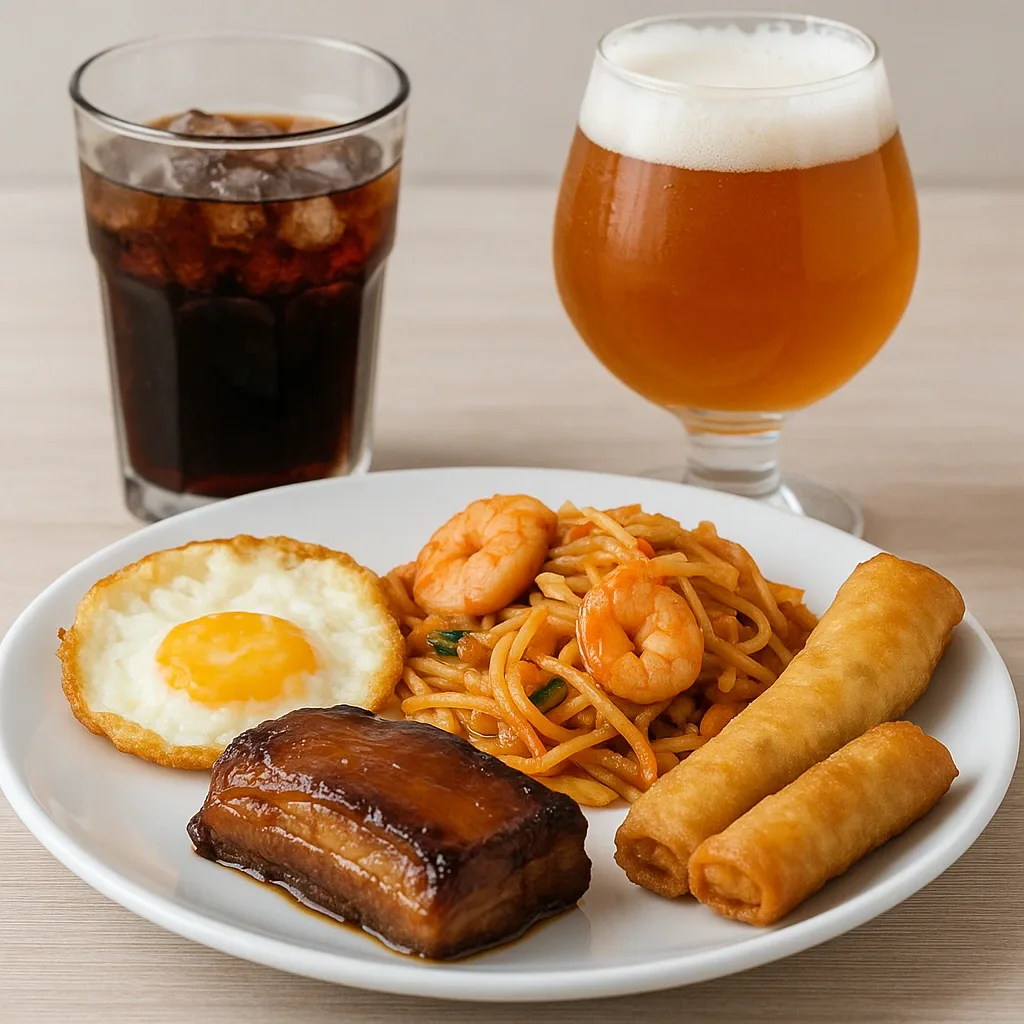
The Wrong Bite Can Change Everything: 5 Foods Cancer Patients Should Avoid After Chemotherapy
The wrong bite can change everything: 5 foods cancer patients should avoid after chemotherapy. Chemotherapy, often shortened to "chemo," is one of the most widely used cancer treatments. While highly effective at destroying cancer cells, it also affects healthy cells, causing side effects such as fatigue, weakened immunity, a fragile digestive system, and slower recovery. Nutrition therefore becomes a key factor in helping patients recover faster after chemotherapy. But choosing the wrong foods can further burden the immune system and reduce the effectiveness of cancer treatment. Let's take a deep dive into the 5 forbidden foods for cancer patients after chemo, along with better alternatives for the body, such as an anti-inflammatory protein shake formula that supports recovery without adding strain to the digestive system.
Why is food choice so important after chemotherapy?
- The immune system is suppressed after chemo, making the body more vulnerable to infection
- The digestive system loses its balance, leading to bloating, constipation, or loose stools
- The body needs high-quality nutrients to repair damaged cells
- Certain foods can trigger inflammation, increasing the chance of cancer recurrence
5 foods cancer patients should avoid after chemotherapy
Fried foods and foods high in trans fat
- Examples: fried chicken, french fries, packaged snacks
- Why to avoid: Trans fats cause inflammation in the body, increase the risk of complications, and weaken immunity
Foods and drinks high in sugar
- Examples: soft drinks, cakes, boxed fruit juice
- Why to avoid: Sugar causes insulin levels to spike, triggers inflammation, and may accelerate the growth of cancer cells
Fermented foods and foods high in sodium
- Examples: fermented fish, kimchi, sausage, bacon
- Why to avoid: High sodium makes the kidneys work harder, and may contain nitrites, a carcinogenic substance that can worsen the existing condition
Processed meat and charred grilled meat
- Examples: ham, bacon, charred grilled pork
- Why to avoid: Contains HCA and PAH compounds from charring, which are carcinogenic substances
Foods that are easily contaminated with pathogens
- Examples: raw sushi, raw oysters, poorly washed salad
- Why to avoid: The immune system is weak after chemo, so exposure to pathogens can easily lead to bloodstream infection
Anti-inflammatory protein shake formula: a helpful alternative to high-risk foods Protein shakes don't just provide energy and essential amino acids — they can also serve as a proactive nutritional tool for restoring the health of cancer patients, especially formulas designed to be anti-inflammatory and gentle on the digestive system.
Qualities of a protein shake suited to cancer patients
- Free from sugar and lactose
- Uses plant-based protein, such as pea protein, brown rice, or amaranth
- Blended with soluble fiber, such as inulin or acacia gum, which helps boost beneficial gut bacteria
- Fortified with B-complex vitamins, vitamin D, omega-3, and essential amino acids such as glutamine and leucine
- Easy to digest, quickly absorbed, and does not irritate the stomach
Homemade anti-inflammatory protein shake recipe
Gentle post-chemo recovery protein shake recipe
Ingredients
- Almond milk (unsweetened formula), 1 cup
- Pea protein, 1 scoop (20 grams)
- Turmeric powder, 1/2 teaspoon (helps fight inflammation)
- Grated fresh ginger, 1 teaspoon (aids digestion, reduces nausea)
- Inulin fiber, 1 tablespoon
- Ground flaxseed, 1 tablespoon (provides omega-3)
- 1 small ripe banana (adds natural energy)
- A little ice
Method
- Blend everything together until smooth. Drink immediately in the morning or after a meal
Additional nutrition tips for post-chemo care
- Eat small meals frequently (every 3 hours)
- Choose fresh, clean, fully cooked, unprocessed foods
- Drink at least 1.5 liters of water a day to prevent constipation and help eliminate waste
- Do light exercise, such as walking or yoga, to stimulate metabolism
- Consult a nutritionist before starting any supplements or herbal products
After chemotherapy, the patient's body needs precise nutrition that is as gentle as possible on the digestive system. Avoiding high-risk foods such as fried food, high-sugar items, and fermented foods is essential, alongside supplementing with foods that support recovery without adding extra burden, such as an anti-inflammatory protein shake formula that is easy to digest and packed with complete nutrients.
Cancer patients should never neglect their diet, because eating right is another form of treatment just as effective as chemotherapy drugs. If you're wondering, "What should I eat after chemo?" — this is the answer, offering both in-depth information and practical guidance you can apply in everyday life. At every step of your recovery, Royim Protein is here beside you. Our specially formulated protein shake is designed to boost energy, restore muscle, and help strengthen your body, filling every day with the strength to keep fighting. Choose Royim Protein, the right partner for your good health today.