
Blogs
Eating the Wrong Foods Can Trigger a Relapse: Forbidden Foods After Chemo + Protein Shake Alternatives to Restore Your Body
Eating the Wrong Foods Can Trigger a Relapse: Forbidden Foods After Chemo + Protein Shake Alternatives to Restore Your Body
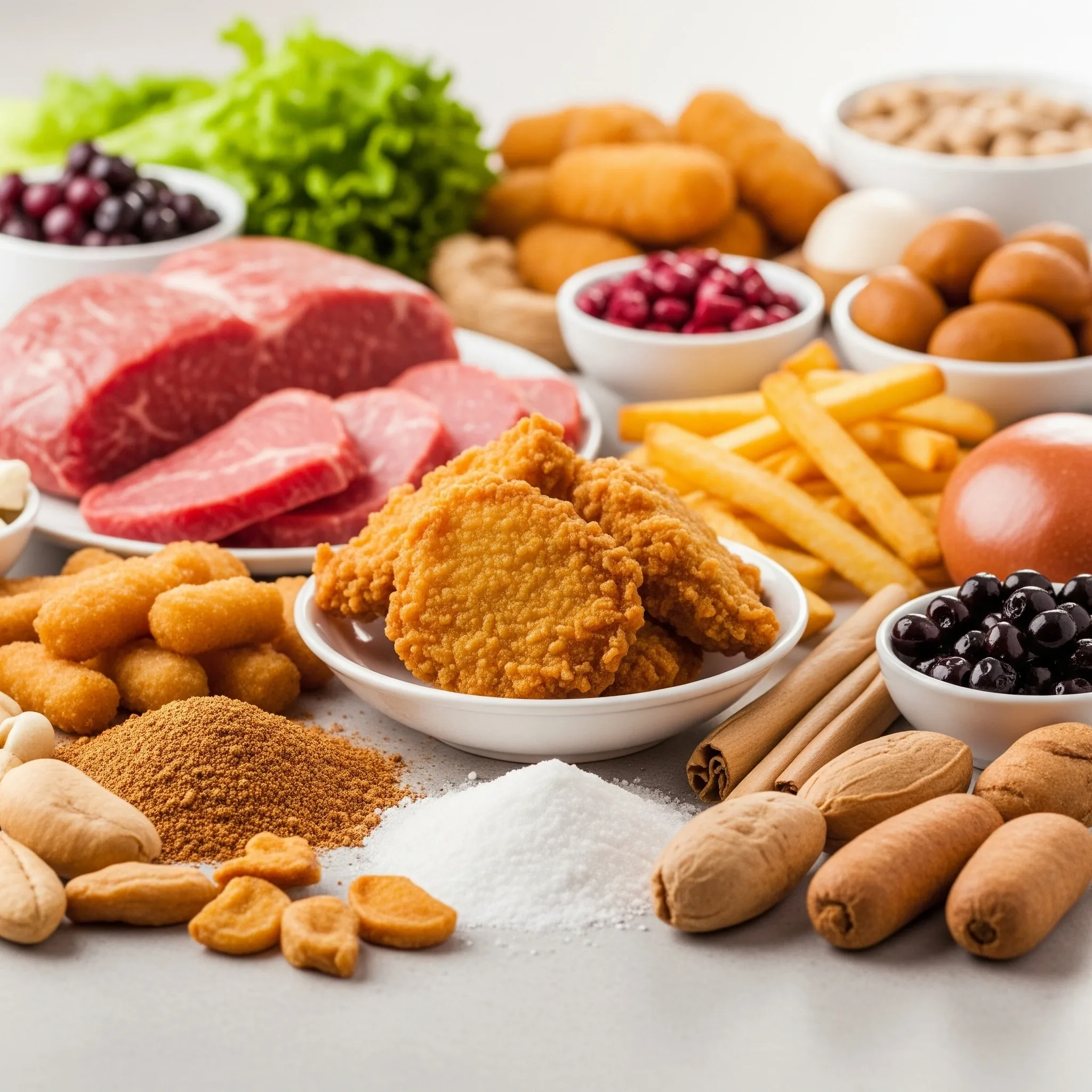
Eating the wrong foods can trigger a relapse: forbidden foods after chemo, plus protein shake alternatives to restore your body. Cancer treatment with chemotherapy is an essential way to destroy cancer cells, but it inevitably affects the body's overall systems, especially the immune system, digestive system, and muscles. Nutrition after chemo is therefore truly at the heart of recovery. Choosing the wrong foods can increase the risk of complications or trigger inflamed cells to return. Let's get to know the forbidden foods after chemo, along with a safe and suitable alternative: protein shakes for cancer patients.
Why is nutrition after chemo so important? After receiving chemotherapy, the body is in a weakened state. Healthy cells are destroyed along with cancer cells, and the production of white blood cells, red blood cells, and platelets is disrupted. The intestines and pancreas become irritated, causing patients to feel fatigued, lose their appetite, feel nauseous, or have diarrhea. Eating the right foods will therefore help reduce inflammation, stimulate cell recovery, and boost the body's energy without adding a burden to the digestive system.
7 forbidden foods after chemo
- Processed meats such as sausages, ham, bacon, and shredded pork. These meats are high in nitrites and sodium, which can trigger inflammation and increase the risk of cancer cells returning.
- Fried foods and trans fats French fries, fried chicken, or baked goods made with margarine contain trans fats, which reduce antioxidant cells and increase inflammation of internal tissue.
- Fermented and very salty foods Fermented fish, shrimp paste, and pickled vegetables are rich in sodium and may contain additives from the fermentation process that can trigger the immune system to malfunction.
- Refined sugar and very sweet foods Consuming high amounts of sugar causes insulin levels to spike, which may stimulate the growth of abnormal cells, including cancer cells.
- Large amounts of caffeine Strong coffee or tea can increase stomach irritation and trigger nausea in chemo patients whose digestive systems are weak.
- Alcohol Even in small amounts, alcohol can affect the liver, which is the main organ responsible for eliminating chemicals from treatment, and it also weakens the immune system further.
- Raw or undercooked food such as sushi, raw fish, and raw eggs carry a risk of infection, because the immune system of patients after chemo is significantly reduced.
So what should you eat after chemo? 5 safe nutrition guidelines
- Easily digestible protein from fish, chicken liver, or tofu helps repair muscle and build new blood cells without adding a burden to the stomach.
- Healthy fats from avocado, almonds, and olive oil reduce inflammation in the body and safely boost energy.
- Complex carbohydrates such as brown rice, sweet potato, and pumpkin help keep energy levels steady and reduce fatigue.
- Dark-colored vegetables and antioxidant-rich fruits such as broccoli, spinach, beetroot, and blueberries help restore the immune system and reduce chemo side effects.
- Specially formulated protein shakes for cancer patients are an option during periods when patients lose their appetite, have trouble chewing, or feel nauseous, because they are easy to digest, require no chewing, and can be formulated to suit each individual, such as blood-boosting formulas, immune-support formulas, or high-energy formulas.
Protein shakes: a helper to restore your body from within. A protein shake suitable for patients after chemo should have the following qualities.
High protein (such as whey protein isolate or plant protein)
- Whey protein isolate is a highly purified milk protein with very low fat and lactose, which is absorbed quickly and is well-suited to repairing cells and muscle.
- Plant-based protein such as protein from peas, soybeans, and brown rice, is a good alternative for those allergic to cow's milk or who want plant-based protein. It is usually easy to digest and does not cause irritation. Having a high protein content helps ensure the body receives enough nutrients for recovery.
Free of sugar and artificial chemicals Choosing a protein shake that is sugar-free or very low in sugar helps reduce the workload on the pancreas and kidneys and reduces inflammation triggers in the body. In addition, being free of artificial chemicals such as coloring, fragrance, flavoring, and preservatives helps reduce the risk of allergies or irritation in fragile patients.
Contains vitamin B12, iron, zinc, and essential amino acids
- Vitamin B12 and iron are important for producing red blood cells and help reduce the fatigue commonly found in patients.
- Zinc is essential for immune system function and helps with wound healing.
- Essential amino acids are the building blocks of protein that the body cannot produce on its own but are necessary for repairing damaged cells and tissue.
Easy to digest, does not stimulate stomach acid Many patients often have digestive problems such as nausea, vomiting, or acid reflux. Choosing a protein shake that is easy to digest and formulated to not stimulate stomach acid secretion will help reduce discomfort after drinking.
May be supplemented with prebiotics or probiotics to restore gut health Good gut health affects immunity and nutrient absorption. Having prebiotics (food for beneficial microorganisms) or probiotics (beneficial microorganisms) added to a protein shake helps restore the balance of gut microorganisms, which is highly beneficial to the patient's immune system and overall health.
The right time to drink it
- 1-2 days after chemo, for faster recovery. After receiving chemotherapy, the body is often exhausted and various cells may be damaged. Drinking a protein shake within 1-2 days after chemo will help the body quickly receive the nutrients it needs to repair damaged cells and tissue and help speed up the body's recovery process.
- Between main meals, if you have lost your appetite. Many patients often experience a loss of appetite or eat less during periods of illness or treatment. Drinking a protein shake between main meals or as a snack will help the body receive additional protein and energy without feeling too full, which is a good way to prevent malnutrition.
- Before bed, to replenish nutrients during sleep. While we sleep, the body enters a process of repair and self-recovery. Drinking a protein shake before bed, especially a slow-digesting protein like casein, will continuously replenish the body's nutrients throughout the night, allowing muscles and cells to be nourished fully while sleeping, so you wake up feeling refreshed.
After chemotherapy, cancer patients should pay special attention to nutrition. Avoiding foods that trigger inflammation or add a burden to internal systems will help the body recover more quickly. At the same time, an option like a specially formulated protein shake for cancer patients is a very useful tool for restoring the body from within, because it helps supplement the protein, vitamins, and energy needed without adding a burden to a body that is still weak. Eating correctly means a better chance of recovery. Patients and families should consult a nutritionist or doctor to plan a personalized diet, and if convenience is needed, a protein shake is an option that can be safely added at any stage of treatment. At every step of recovery, Royim Protein stands by your side. Our specially formulated protein shake is designed to boost energy, restore muscle, and help strengthen your body, so every day of yours is filled with the strength to keep fighting. Choose Royim Protein, the right helper, for your good health today.