
Blogs
Eat the Wrong Thing, Wreck the Whole System: Forbidden Foods for Cancer Patients + Safer Alternative Proteins
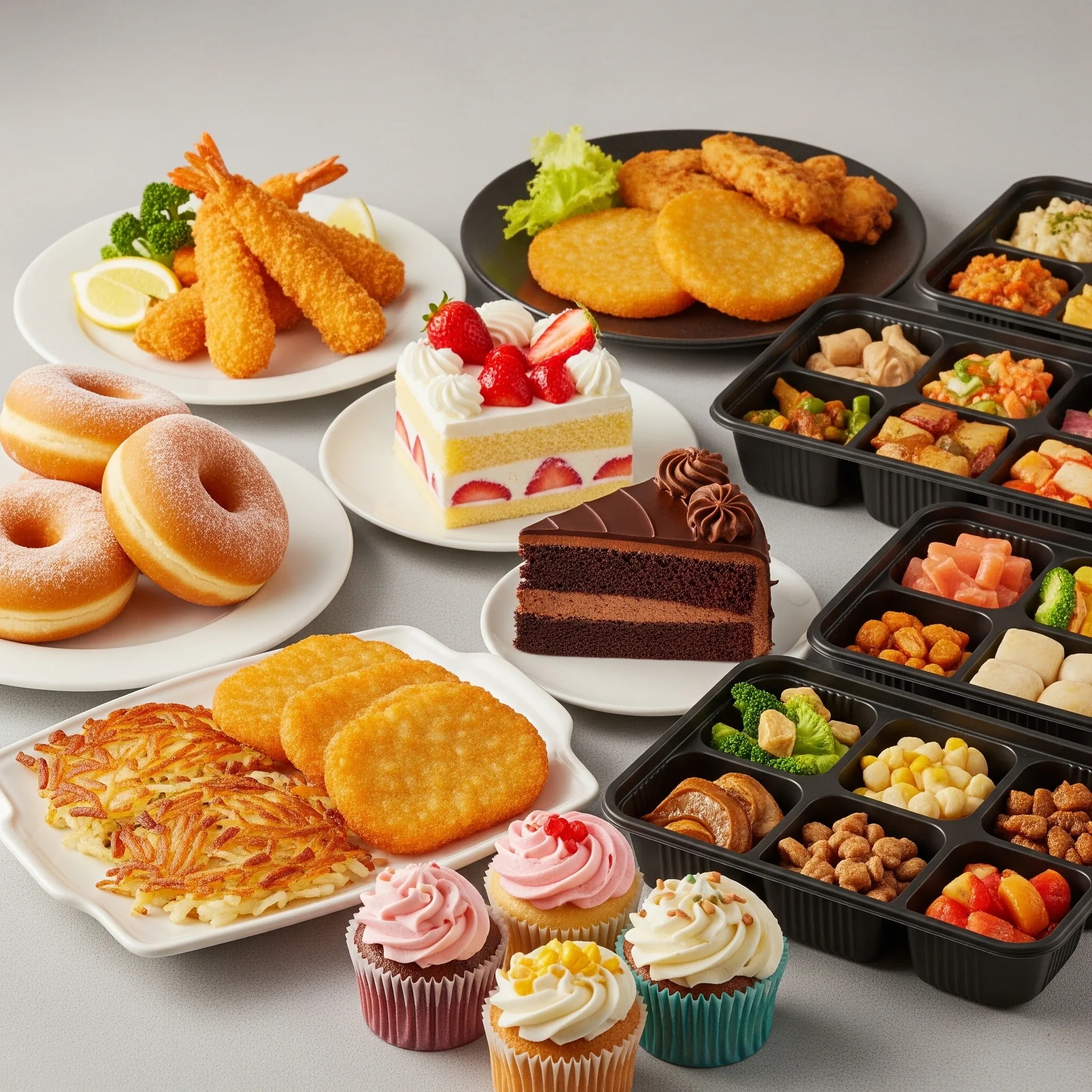
Eat the Wrong Thing, Wreck the Whole System: Forbidden Foods for Cancer Patients + Safer Alternative Proteins
Eat the wrong thing, wreck the whole system: forbidden foods for cancer patients + safer alternative proteins. Is food medicine, or poison? For cancer patients, nutritional care is not a secondary concern but the main pathway that helps the body cope with treatment and recover effectively. This is especially true after chemotherapy, a period when the body is weakened, the immune system is suppressed, and healthy cells are damaged by the drugs. Eating the right foods can noticeably ease side effects, reduce inflammation, and restore energy. Conversely, if patients eat foods that trigger inflammation or burden the digestive system, the body may deteriorate faster and the effectiveness of treatment may decline. We'll take a deep look at which foods cancer patients should avoid, along with safer alternative proteins for recovering the body, such as protein shakes formulated with no sugar and no inflammatory triggers, to support balanced recovery.
Why are certain foods dangerous for cancer patients? The food we eat every day can be a factor that determines whether the body recovers or declines, especially for cancer patients who have undergone chemotherapy or radiation. Certain foods accelerate the inflammatory process, raise blood sugar, burden the liver and kidneys, or unknowingly stimulate the growth of harmful cells.
- Inflammation in the body is a key factor that prevents the body from repairing itself as well as it should, and it is a condition that favors the growth of cancer cells
- High blood sugar levels: cancer cells often use glucose (sugar) as their primary energy source, so the higher the blood sugar, the more fuel is available for malignant cells to grow
- Weakened digestive system: patients after chemotherapy often have digestive issues; foods that are hard to digest or contain trans fats add to this system's fatigue
7 Foods Cancer Patients Should Avoid
1. Sugar and very sweet foods
- Rapidly raise blood sugar levels
- Trigger chronic inflammation
- Disrupt the immune system
2. Fried foods and trans fats
- Found in potato chips, crispy fried batter, ready-made bakery items
- Create free radicals in the body
- Increase bad fat (LDL) and reduce good fat (HDL)
3. Processed meats such as sausage, bacon, and ham
- Contain nitrates and nitrites linked to colorectal cancer
- High in saturated fat
4. Fermented foods such as fermented fish, kimchi, and pickled vegetables
- Contain excessively high sodium
- Add to the kidneys' burden
- Contain certain carcinogens produced during the fermentation process
5. Alcoholic beverages
- Damage liver cells and the lining of the digestive tract
- Interfere with the action of anti-cancer drugs
6. Strongly seasoned condiments such as MSG and ready-made sauces
- High in sodium and chemicals
- Add to the burden on the liver and kidneys
7. Fast food
- High in fat
- Contains preservatives
- Contains simple carbohydrates
What should you eat after chemotherapy? Nutrition that supports recovery. After chemotherapy, the body needs more energy to repair the healthy cells that were damaged. Patients should focus on foods that are easy to digest yet high in energy and complete in nutritional value, including:
- High-quality protein to build muscle, repair tissue, and strengthen immunity, such as egg whites, steamed fish, and tofu
- Complex carbohydrates such as brown rice, oats, and sweet potato for sustained energy
- Colorful vegetables and fruits for vitamins, minerals, and antioxidants
- Healthy fats from salmon, avocado, and olive oil
- Water to help flush out toxins and balance the body's various systems
Protein shakes: a safe protein alternative for cancer patients Many patients struggle with loss of appetite or being unable to eat, especially in the period after chemotherapy when nausea and weakness are common. Getting enough protein from regular food can be difficult, so protein shakes are a good alternative — as long as you choose a protein shake that:
- Contains no sugar, to reduce the risk of high blood sugar
- Contains no inflammatory triggers such as gluten or lactose, reducing the burden on the intestines
- Contains a complete profile of essential amino acids to help repair cells damaged by medication
- Is fortified with vitamins and minerals such as vitamin B12, iron, and zinc to support blood cell production and the immune system
The best times to drink a protein shake
- In the morning after waking up, to provide immediate energy and amino acids
- During the day whenever you feel a loss of appetite
- 1-2 days after chemotherapy, to aid recovery
Sample menu for body recovery
- Morning: brown rice congee + 1 soft-boiled egg + 1 glass of protein shake
- Lunch: rice soup with steamed fish + stewed winter melon
- Evening: steamed tofu with mushroom sauce + vegetables stir-fried in olive oil + a small amount of brown rice
- Afternoon snack: mixed berry smoothie + protein shake
Food is power, not a burden. Cancer patients need more appropriate nutrition than the average person because their bodies are in a continuous state of repair. The food you eat can be either a helper or an obstacle to recovery. If you stay informed and avoid inflammation-triggering foods such as high sugar, fried foods, and processed meats, and instead turn to alternative protein sources such as a safe, sugar-free protein shake formula, your body's recovery will improve and speed up. Ultimately, food is not just a source of energy but an important ally in intelligently fighting a serious disease like cancer. At every step of your recovery, Royim Protein is here to stand by you. Our specially formulated protein shake is designed to build energy, restore muscle, and help strengthen your body, so every day of yours is filled with the strength to keep fighting. Choose Royim Protein, the right partner for your good health today.