
Blogs
Food for Cancer Patients: What to Eat and What to Avoid?
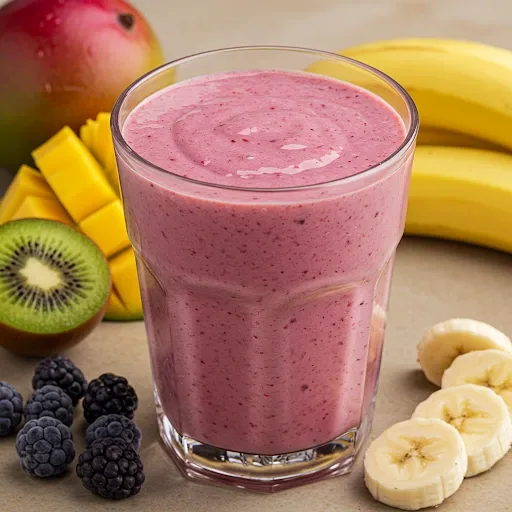
Food for Cancer Patients: What to Eat and What to Avoid?
Food for cancer patients: what should they eat and what should they avoid? Cancer is a condition that requires rigorous health care. Diet plays an important role in helping to boost immunity, reduce inflammation, and support the body's recovery. Cancer patients and caregivers should pay close attention to choosing beneficial foods and avoiding foods that may stimulate the growth of cancer cells. Let's look at which types of food are suitable, and which types should be avoided.
Types of food that help boost immunity and keep the body strong
Vegetables and fruits rich in antioxidants
- Leafy green vegetables such as kale, spinach, and broccoli are high in antioxidants, helping to reduce cell damage and strengthen immunity
- Berries such as blueberries, strawberries, and raspberries contain flavonoids that help prevent the growth of cancer cells
- Tomatoes are rich in lycopene, which has antioxidant properties and helps reduce the risk of certain cancers
Protein that is good for the body
- Salmon, tuna, and sardines contain omega-3s that help reduce inflammation
- Tofu and soybeans are a source of plant-based protein containing phytoestrogens, which may help protect against certain cancers
- Eggs and yogurt provide easily digestible protein and help strengthen the body
Whole grains and high-fiber foods
- Brown rice, quinoa, and oats help reduce the risk of colon cancer and support better digestive function
- Nuts and seeds such as almonds, walnuts, and flaxseed contain healthy fats and nutrients that help reduce inflammation
Herbs and spices with anti-cancer properties
- Turmeric contains curcumin, which helps reduce inflammation and may help inhibit the growth of cancer cells
- Garlic and shallots contain allicin, which helps boost immunity and fights inflammation
Foods to avoid to reduce inflammation and avoid stimulating the growth of cancer cells
Processed foods and processed meats
- Sausages, bacon, and ham contain nitrates and nitrites, which are linked to cancer risk
- Large amounts of red meat such as beef and pork should be limited, as they may increase the risk of colon cancer
High-sugar foods
- Raises insulin levels: High-sugar foods such as sweets, soft drinks, and foods containing refined white sugar rapidly raise blood insulin levels. Insulin is a hormone that stimulates cell growth, which may cause cancer cells to grow faster
- Increases inflammation: Sugar may cause inflammation in the body, which can adversely affect the immune system. Chronic inflammation may increase the risk of cancer development and cancer spread
- Reduces immune system efficiency: Sugar may reduce the effectiveness of immune cells, weakening the body and increasing the risk of infection
- Increases the risk of other diseases: Consuming large amounts of sugar may increase the risk of diabetes, cardiovascular disease, and obesity, which may adversely affect the overall health of cancer patients
Fried food and trans fats
- Fried food: Frying food in oil at high temperatures may produce carcinogens such as acrylamide. Fried food is often high in saturated fat, which may increase the risk of cardiovascular disease. Fried food is often high in sodium, which may lead to high blood pressure
- Trans fats: These are unsaturated fats created by adding hydrogen to vegetable oil. Trans fats may raise levels of bad cholesterol (LDL) and lower levels of good cholesterol (HDL), increasing the risk of cardiovascular disease. Trans fats may increase inflammation in the body, which can adversely affect the immune system. Trans fats are found in many types of food, such as potato chips, snacks, margarine, and some baked goods
Alcohol and large amounts of caffeine
- Alcohol: Drinking large amounts of alcohol may increase the risk of several types of cancer, such as breast, liver, stomach, colon, and oral cancer. Alcohol can damage cells in the body and increase the risk of cell mutations, which may lead to cancer. In addition, alcohol may interfere with the action of chemotherapy and radiation therapy, reducing the effectiveness of treatment. During chemotherapy, it can cause irritation to the mouth, mucous membranes, and digestive tract, so alcoholic beverages, whether beer or spirits, cause irritation, and drinking is not recommended during treatment
- Caffeine: May interfere with sleep, which is important for the body's recovery process. Insufficient sleep may adversely affect the immune system, weakening the body and increasing the risk of infection. Caffeine may cause anxiety and heart palpitations, which may adversely affect the patient's mental state. However, drinking coffee in appropriate amounts may have some health benefits, such as helping to reduce the risk of certain cancers. Nevertheless, cancer patients can drink coffee even during chemotherapy
Protein shakes suitable for cancer patients and how to choose them safely
Ingredients to look for in a protein shake
- High-quality protein such as whey protein isolate or plant-based protein
- Added vitamins and minerals such as vitamin D, vitamin C, and zinc, which help boost immunity
- Fiber and healthy fats such as flaxseed and coconut oil, to provide sustained energy
Ingredients to avoid
- Sugar and artificial sweeteners that may be harmful to the body
- Additives and preservatives that may cause toxins to accumulate in the body
How to drink protein shakes safely
- Consult a doctor or nutrition specialist: Before starting to drink protein shakes, you should consult a doctor or nutritionist for advice on choosing a product suitable for your body condition and treatment plan. A specialist can assess each patient's protein and nutrient needs and recommend the appropriate amount
- Choose products with safety-standard certification labels: Choose products with safety-standard certification labels from a trusted authority. Check the ingredients carefully to avoid harmful additives or substances that may cause allergic reactions. Choose products that do not contain excessive sugar
- Drink in an appropriate amount: Protein shakes should be consumed in appropriate amounts, as advised by a doctor or nutritionist. Protein shakes should not be used to replace main meals, as the body still needs other nutrients from regular food. Drink protein shakes only as a supplement to main meals
Choosing the right food plays an important role in helping cancer patients achieve better health and stronger immunity. Foods rich in natural nutrients, such as vegetables, fruits, good protein, and healthy fats, should be the main choice, while processed foods, sugar, and trans fats should be avoided. Choosing a safe and suitable protein shake also helps ensure the body receives adequate nutrients during periods when it is weakened.
Good nutritional care not only helps strengthen the body, but also improves the quality of life of cancer patients and helps make treatment more effective. If you have any questions, you should consult a health professional for the most accurate and appropriate advice. At every step of recovery, Royim protein is here to stand by your side. Our specially formulated protein shake is designed to boost energy, restore muscle, and help strengthen your body. May every day of yours be filled with the strength to fight on. Choose Royim protein, the right companion, for your good health today