
Blogs
Food Is Medicine: What Should Cancer Patients Eat After Chemo? Focus on High-Quality Protein
Food Is Medicine: What Should Cancer Patients Eat After Chemo? Focus on High-Quality Protein
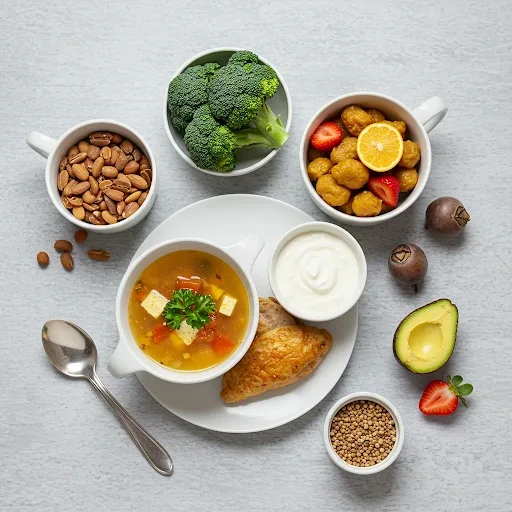
Food is medicine — what should cancer patients eat after chemo? Focus on high-quality protein. Recovery for cancer patients after chemotherapy is a critical period for rebuilding the body, immune system, and overall health. Prioritizing specialized nutrition is one of the key factors that helps patients effectively regain a good quality of life.
A frequently asked question is: what should you eat after chemo? The answer is nutrient-dense food, especially high-quality protein — what the body needs most during this period. Let's take a deep dive into the specialized nutrition suitable for patients after chemotherapy, along with recommendations for the type of protein shake best suited to rebuilding the body after cancer treatment.
The importance of nutrition after chemotherapy Cancer treatment with chemotherapy can leave the body fatigued, weak, and nauseated, cause muscle loss, and affect the immune system. During this period, proper nutrition doesn't just supply energy — it also repairs damaged cells, restores organ function, and reduces the side effects of chemotherapy drugs. Food is therefore like medicine, powerfully supporting treatment.
What should you eat after chemo? Principles for choosing recovery foods Food for patients after chemo should be easy to digest, highly nutritious, and help reduce various unpleasant symptoms. The key food groups to eat can be divided as follows.
High-quality protein
Protein is the most important nutrient for recovery, because the body needs protein to build new cells, repair tissue, and strengthen immunity.
Sources of high-quality protein include
- Lean meats such as chicken and fish
- Eggs
- Tofu and soy products
- Milk and dairy products
- Protein shake formulas for cancer patients
Complex carbohydrates such as brown rice, oats, potatoes, and pumpkin, to boost the body's energy to fight fatigue
Healthy fats such as olive oil, avocado oil, and deep-sea fish, to boost energy and nourish the brain
Vegetables and fruits rich in vitamins, minerals, and antioxidants that help fight inflammation and support recovery
Clean water Patients should drink enough water — 6 to 8 glasses a day — to help flush toxins from the body and prevent dehydration
Protein shakes — an important aid for cancer patients after chemo. For patients experiencing nausea, loss of appetite, or who cannot eat enough through regular meals, using a protein shake is an important aid, as it can provide energy and protein in a form that is easy to digest, absorbed quickly, and does not trigger stomach discomfort.
Qualities to look for in a protein shake for cancer patients
- High protein per serving (at least 15-30 grams)
- A complete profile of essential amino acids
- No sugar, or low sugar
- No preservatives or artificial flavorings
- Easy to digest, lactose-free
- Easy to mix with water or other liquids
Suitable protein types
- Whey Protein Isolate
Easy to digest, absorbed quickly, ideal for patients who need rapid recovery - Soy Protein Isolate
An option for those with a milk allergy, providing a complete profile of essential amino acids - Pea Protein
Suitable for those with a milk allergy and for vegetarians
Simple recipe example
- Whey protein shake + almond milk + banana + ground oats
(High calorie, high protein, easy to digest, and delicious)
Foods to avoid after chemo To prevent triggering side effects and to protect digestive health, patients should avoid the following types of food
- Very oily, deep-fried foods, such as fried chicken and potato chips
- Strongly flavored foods, such as very spicy or very sour dishes
- Caffeinated drinks, such as coffee and strong green tea
- Refined sugar and sweets
- Alcohol
- Processed foods, such as sausage, bacon, and ham
Meal-planning guidelines for patients after chemo
Sample daily meal plan
Breakfast
- Chicken breast rice porridge is a good, easily digestible source of protein. The broth helps hydrate the body and reduces feelings of bloating. Adding a soft-boiled egg further boosts protein and other nutrients needed to start the day.
Lunch
- Brown rice is a source of complex carbohydrates that release energy gradually, keeping blood sugar levels stable. Steamed fish is a good, easily digestible source of quality protein. Blanched vegetables provide fiber, vitamins, and minerals, which are important for digestive health and overall wellbeing.
Dinner
- Tofu soup is an easily digestible, low-fat source of plant-based protein. Steamed egg custard is another source of protein that is gentle on the digestive system. Steamed pumpkin provides carbohydrates, vitamins, and fiber, which help build strength and provide energy.
Throughout the day
- A protein shake is a convenient, quick way to add protein and energy, especially for patients experiencing loss of appetite or who cannot eat much at main meals. Bananas are a source of carbohydrates, vitamins, and minerals that provide energy without feeling heavy on the stomach.
Nutrition and the immune system — what cancer patients should understand Cancer treatment often lowers immunity, so nutrition is an important tool for strengthening the body's defenses.
- Vitamin C, found in oranges, guava, and broccoli
- Vitamin D, which helps reduce inflammation — get some gentle sun exposure
- Zinc, which supports immune function
- Selenium, found in nuts and whole grains
Advice from specialized nutritionists Consulting a nutritionist who specializes in oncology is highly recommended, as they can design an eating plan suited to each patient's specific condition and symptoms.
- Nutritional status should be assessed before and after chemotherapy
- If there is loss of appetite or malnutrition, medical nutrition products should also be used
- Blood tests should be done and diet adjusted appropriately at each stage of cancer treatment
What should you eat after chemo? The answer is food rich in high-quality protein, healthy fats, complex carbohydrates, vitamins, and enough water.
And if you can only eat small amounts, using a safe, easy-to-digest protein shake suited to cancer patients is the recommended choice. Food is medicine — not just a nice phrase, but scientific evidence that helps support cancer treatment for the best possible results. At every step of your recovery, Royim Protein is here beside you. Our specially formulated protein shake is designed to boost energy, rebuild muscle, and help strengthen your body, so every day is filled with the strength to keep fighting. Choose Royim Protein — the right partner for your good health today.