
Blogs
Food as a Path to Healing: How Protein Shakes Became Part of a Holistic Approach to Cancer Care
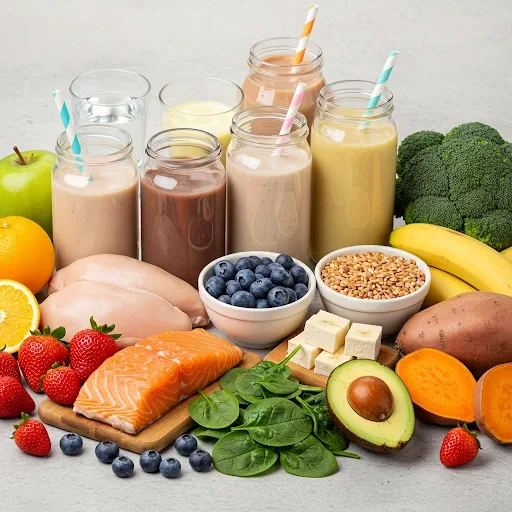
Food as a Path to Healing: How Protein Shakes Became Part of a Holistic Approach to Cancer Care
Food as a path to healing: how protein shakes became part of a holistic approach to cancer care. Modern cancer treatment no longer relies solely on chemotherapy or anti-cancer drugs. There is a growing trend toward holistic care that brings lifestyle habits, mental wellbeing, and — most importantly — nutrition together as part of sustainable disease management. The concept of Food as Medicine has drawn great interest among cancer patients worldwide, particularly around choosing foods that help restore cells, support immunity, and reduce the side effects of treatment. One nutritional supplement gaining popularity and playing a role in cancer care is the protein shake, designed for patients who need complete energy and nutrients, recovery after chemotherapy, and support for an immune system weakened by drug therapy.
Medical Nutrition Therapy, the foundation of holistic care
- Integrative Cancer Therapy has become mainstream. Today, cancer care is no longer limited to conventional medicine alone. Other areas of health support are now blended in, so that the body's recovery is addressed comprehensively.
- Integration between disease treatment and specialized nutritional care. Nutrition is no longer overlooked — it is now recognized as an essential part of cancer patient care, with diets adjusted to suit the patient's condition and treatment stage.
- The Food as Medicine concept. Choosing what to eat is no longer just about eating generally healthy food — it means considering specific nutrients that affect cellular recovery, reduce inflammation, and improve the patient's quality of life.
- Choosing specific nutrients that are backed by research and have a direct effect on cell recovery, reducing inflammation, and improving quality of life — this is the heart of medical nutrition therapy. Food and nutrient choices must be supported by scientific evidence of positive outcomes for cancer patients.
Protein Shakes, natural energy for recovery after chemotherapy
- Natural energy for recovery after chemotherapy. Protein shakes are a source of energy the body can use easily, which is especially important during periods when patients may feel fatigued and need energy to recover.
- Easing side effects from chemotherapy. Protein shakes can help manage side effects such as fatigue, nausea, loss of appetite, and muscle wasting, by providing essential nutrients in an easy-to-digest form.
- Providing energy, protein, and essential amino acids in the right amounts. Protein is a key component in repairing and building the body's tissues, including muscle. Essential amino acids are the building blocks of protein that the body cannot produce on its own, so getting enough protein and amino acids is vital for recovery.
- No need to rely on large, hard-to-digest meals. During periods when a patient may have a poor appetite or reduced digestive function, protein shakes are a convenient option that provides essential nutrients without needing to eat large amounts of food.
- Sugar-free and lactose-free formulas are available. For patients with complications such as diabetes or lactose intolerance, choosing the right protein shake formula allows them to benefit from the protein without worrying about adverse health effects.
Fortified with essential vitamins and minerals. Some protein shake formulas are fortified with essential vitamins and minerals, such as vitamin B complex (important for energy production), vitamin D (which plays a role in immune function), and zinc (directly essential for immune system function), which help support the body's recovery and strengthen immunity.
Benefits of protein shakes for cancer patients
- Rebuilding muscle lost to chemotherapy. A body lacking protein loses muscle easily. Drinking a protein shake once or twice a day can help maintain muscle mass and support recovery after treatment.
- Helping reduce fatigue. Protein shakes containing complex carbohydrates and healthy fats provide the body with a steady stream of energy without causing blood sugar swings.
- Supporting the immune system. Essential amino acids such as glutamine and arginine help stimulate white blood cells to function better, helping reduce the risk of infection during treatment.
- Improving the absorption of other nutrients. For cancer patients who can only eat small amounts, an easy-to-digest, quickly absorbed protein shake helps ensure the body gets nutrients exactly when it needs them most.
How to choose a protein shake for cancer patients. When choosing a protein shake for a cancer patient, consider the following factors
- An easily digestible plant-based or whey protein, such as Whey Protein Isolate or protein from soybeans, brown rice, or peas.
- No added sugar or artificial flavoring, to prevent blood sugar spikes, which is a factor that triggers inflammation in the body.
- Contains added vitamins and minerals, such as vitamin C, vitamin D, zinc, and magnesium.
- Lactose-free and gluten-free, for those who are allergic to cow's milk or have digestive issues.
Incorporating protein shakes into a patient's nutrition plan
- Morning. Blend a protein shake with banana or berries to boost energy and antioxidants.
- Afternoon. Add chia seeds or flaxseed to a protein shake to increase omega-3 intake.
- After dinner. If the patient eats little at the main meal, a protein shake before bed can help support the body's cell repair process during sleep.
Sample one-day menu with added protein shakes
- Morning: Fish rice porridge + protein shake blended with banana and almond milk
- Lunch: Brown rice + stir-fried mixed vegetables + steamed egg + herbal drink
- Afternoon: Protein shake with flaxseed + whole-grain crackers
- Evening: Clear tofu and minced pork soup + brown rice + light fruit
Advice from nutritionists for cancer patients
- Choose a protein shake that is FDA-certified or clinically researched. Choosing a product certified by a trusted authority, such as the Thai FDA (Food and Drug Administration), helps ensure product quality and safety. In addition, choosing a product backed by clinical research may indicate its effectiveness and reliability.
- If allergic to milk protein, choose a plant-based protein instead. Some patients may be allergic to proteins found in cow's milk (such as whey protein or casein). Choosing a plant-based protein shake, such as soy protein, pea protein, or rice protein, is a safe alternative that still provides quality protein.
- Drink protein shakes under the guidance of a doctor or clinical nutrition specialist. Consulting a doctor or a nutritionist experienced in cancer patient care is important, to get advice on the type, amount, and frequency of protein shake consumption suited to each patient's health condition, nutritional needs, and treatment plan.
Food is medicine is not just a nice phrase — it is a concept grounded in science and the experience of countless patients around the world, especially cancer patients facing the intense side effects of treatment. As one of the medical nutrition supplements available, the protein shake is an option that should not be overlooked. It helps patients recover faster, gives them the strength to carry on with daily life, and builds lasting, resilient immunity.
A holistic treatment approach that integrates medicine, mental health care, and proper nutrition is the key that helps cancer patients live with quality of life, both during and after treatment. At every step of recovery, Royim Protein stands by your side. Our specially formulated protein shakes are designed to boost energy, restore muscle, and help strengthen your body, so every day is filled with the strength to keep fighting. Choose Royim Protein, the right partner for your good health today.