
Blogs
Fruits and Vegetables to Avoid Before a Blood Test
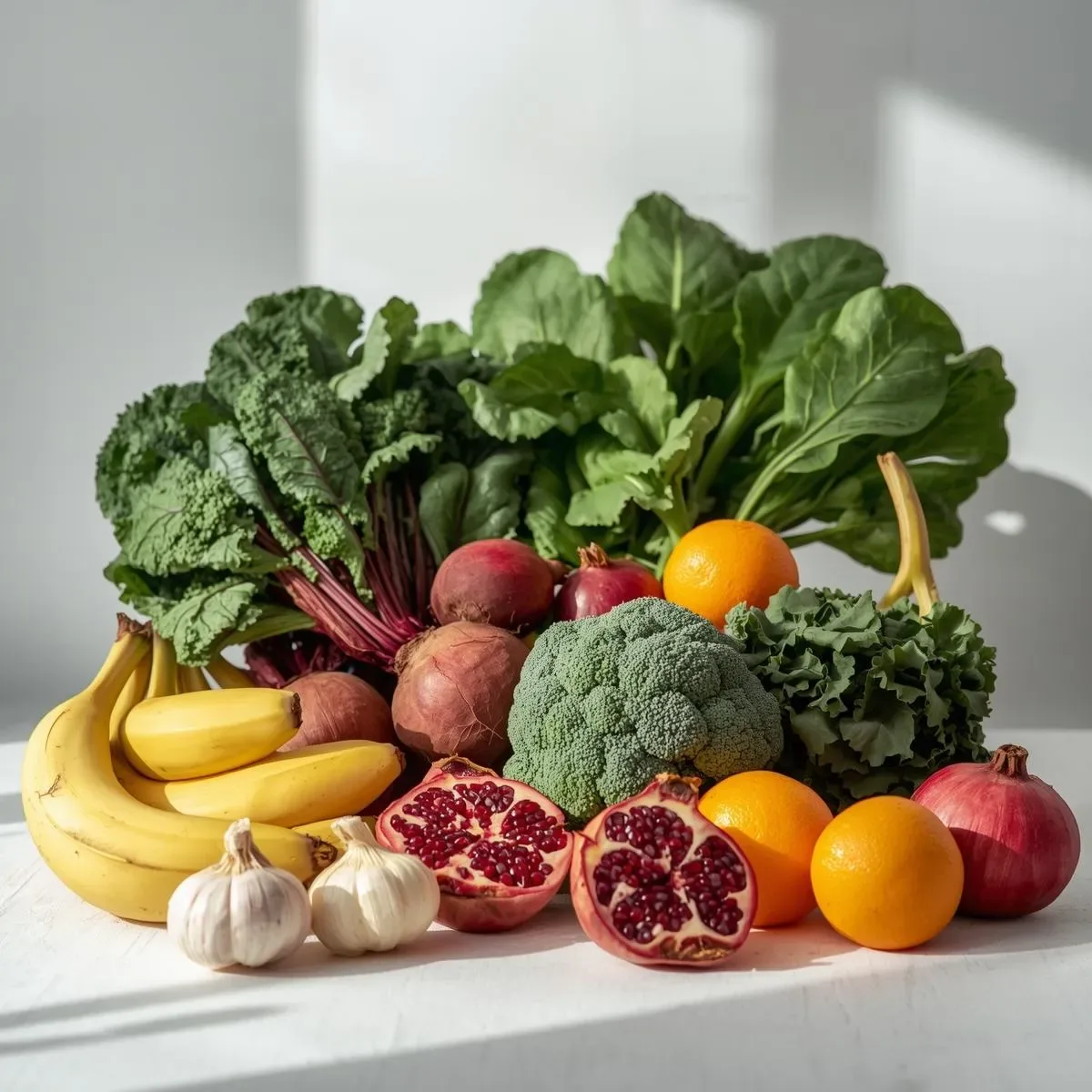
Fruits and Vegetables to Avoid Before a Blood Test
Many people wonder what they should or shouldn't eat before a blood test — especially fruits and vegetables that we usually think of as healthy. In truth, some of them can interfere with blood test results without us realizing it. For cancer patients, or anyone preparing for a blood test before receiving chemotherapy, this matters even more, because blood results determine whether the body is ready for the next round of treatment.
Why does what you eat affect your blood test results? Blood values don't depend only on how your bone marrow is functioning — they also reflect your eating habits over the 2–3 days before the test. Certain foods, especially some fruits and vegetables, contain compounds that can
- temporarily raise blood sugar levels
- cause abnormal liver or kidney enzyme readings
- cause fluctuations in blood lipid levels
- and, importantly, interfere with blood cell production readings
Because of this, patients who need blood tests to be assessed before chemotherapy, or to check on recovery progress, should pay attention to what they eat for at least 48 hours before the test.
Fruits and vegetables to avoid before a blood test
1. Beetroot Beetroot is well known for supporting healthy blood, but in certain cases — especially right before a blood test — it should be avoided temporarily, because
- it contains betanin, a compound that can turn urine or stool red, which may lead doctors to mistakenly suspect gastrointestinal bleeding
- it is high in natural sugars, which may interfere with fasting blood sugar (FBS) readings
2. Dark leafy greens such as kale, spinach, and broccoli Although these vegetables are rich in vitamins and folate, some dark leafy greens are high in vitamin K, which can
- make platelet counts and blood clotting readings appear abnormal
- affect people taking blood thinners or medications that regulate blood clotting
3. Very ripe bananas Bananas are rich in potassium, but eating too many before a blood test may cause blood potassium (K) levels to appear artificially high — a value doctors use to assess heart and kidney function.
4. Pomegranate and concentrated pomegranate juice Although pomegranate is high in antioxidants, it can cause abnormal blood clotting readings in some people and may interfere with red blood cell count analysis.
5. Garlic and onions These vegetables contain sulfur compounds and active substances that help thin the blood, which is beneficial under normal circumstances. However, right before a blood test, they may cause a temporary drop in platelet counts.
6. Citrus fruits (such as pomelo, sweet orange, and grapefruit) Some citrus fruits, especially grapefruit, contain compounds that inhibit liver enzymes responsible for clearing chemotherapy drugs from the body. Eating them before a blood test may cause liver enzyme levels to appear abnormally high.
7. Ready-made mixed fruit and vegetable juices Even though these drinks look healthy, they often contain
- high sugar content
- preservatives
- synthetic vitamins that may interfere with test results
So what can you eat before a blood test? Cancer patients, or anyone preparing for a blood test, should choose foods that are easy to digest, low in fat, not too sweet, and that provide nutrients supporting bone marrow recovery, such as
Safe fruits and vegetables
- Carrots (support healthy blood without interfering with test results)
- Pumpkin (help build energy and support white blood cell recovery)
- Ripe papaya (aid protein digestion and boost immunity)
- Green apples (help regulate blood sugar)
- Watermelon (adds fluid to the body without affecting blood test results)
Suitable main meals
- Fish rice porridge or chicken soup with soft-cooked vegetables
- Hard-boiled eggs (especially the egg whites)
- Tofu, clear broth, brown rice
- Drink plenty of plain water to help support healthy blood circulation
Tips for the 3 days before a blood test
- Stop all supplements unless approved by your doctor, such as multivitamins or ginseng
- Avoid tea, coffee, and alcoholic drinks, as they affect liver and kidney values
- Get enough rest, since lack of sleep can lower white blood cell counts
- Avoid strenuous exercise for 1 day before the test, to prevent artificially high creatine phosphokinase (CPK) levels
What should you do if you've already eaten one of these foods by mistake? Don't panic. If you've already eaten something you shouldn't have, promptly inform your doctor or nurse before the blood test so the medical team can take it into account and assess your results accurately. In some cases, the doctor may postpone the blood test by 1–2 days to allow your body's values to return to normal.
Supplementary nutrition to help keep blood values balanced Now that you know what to avoid, let's look at what you should add to help prepare your body for a blood test. The most important thing is protein, because protein is the primary building block for new cells, including the blood cells that are depleted during chemotherapy.
Protein for cancer patients — a safe helper before a blood test During times when you need to be careful about your diet or have a poor appetite, getting enough protein can be difficult. That's why a protein formula designed specifically for cancer patients, from Royim Protein, is a suitable choice — it helps ensure the body gets complete nutrition without interfering with blood test results.
Key features of Royim Protein
- Purified protein extract, easy to digest, doesn't cause bloating
- Free from added sugar and trans fat
- Delivers high energy in a small serving, ideal for those who can only eat small amounts
- Contains essential amino acids that help stimulate blood cell production
- Safe for patients with weakened kidney or pancreatic function
Recommended way to take it
- Mix 1 scoop of protein with 200 ml of warm water, drink 1–2 times a day
- Drink before bed, or 1 hour after a meal, to help the body absorb the protein fully
- If you're tired of the usual taste, you can mix it with yogurt or a mild-flavored fruit juice, such as apple or papaya
Benefits that align with the pre-blood-test period
- Helps ensure the body has enough amino acids to produce new blood cells
- Restores energy without adding extra burden on the liver and kidneys
- Helps balance the body so it's ready for the next blood test or chemotherapy round
Prepare your body for a blood test with confidence Even though fruits and vegetables are generally good for your health, some can distort blood test results — especially dark leafy greens, beetroot, very ripe bananas, or citrus fruits, which can affect blood cell production or enzyme readings in the body. Proper preparation before a blood test should include
- Avoiding foods that affect blood values for at least 48 hours
- Drinking enough water
- Getting enough rest
- And supporting your nutrition with a protein formula suited for cancer patients, so your body is fully ready for the test
At every step of your recovery, Royim Protein is here to stand by your side. Our specially formulated protein shake is designed to boost energy, support muscle recovery, and help strengthen your body. May every day be filled with the strength to keep fighting. Choose Royim Protein — the right helper for your good health today.