
Blogs
How Are White Blood Cells and the Intestinal System Related?
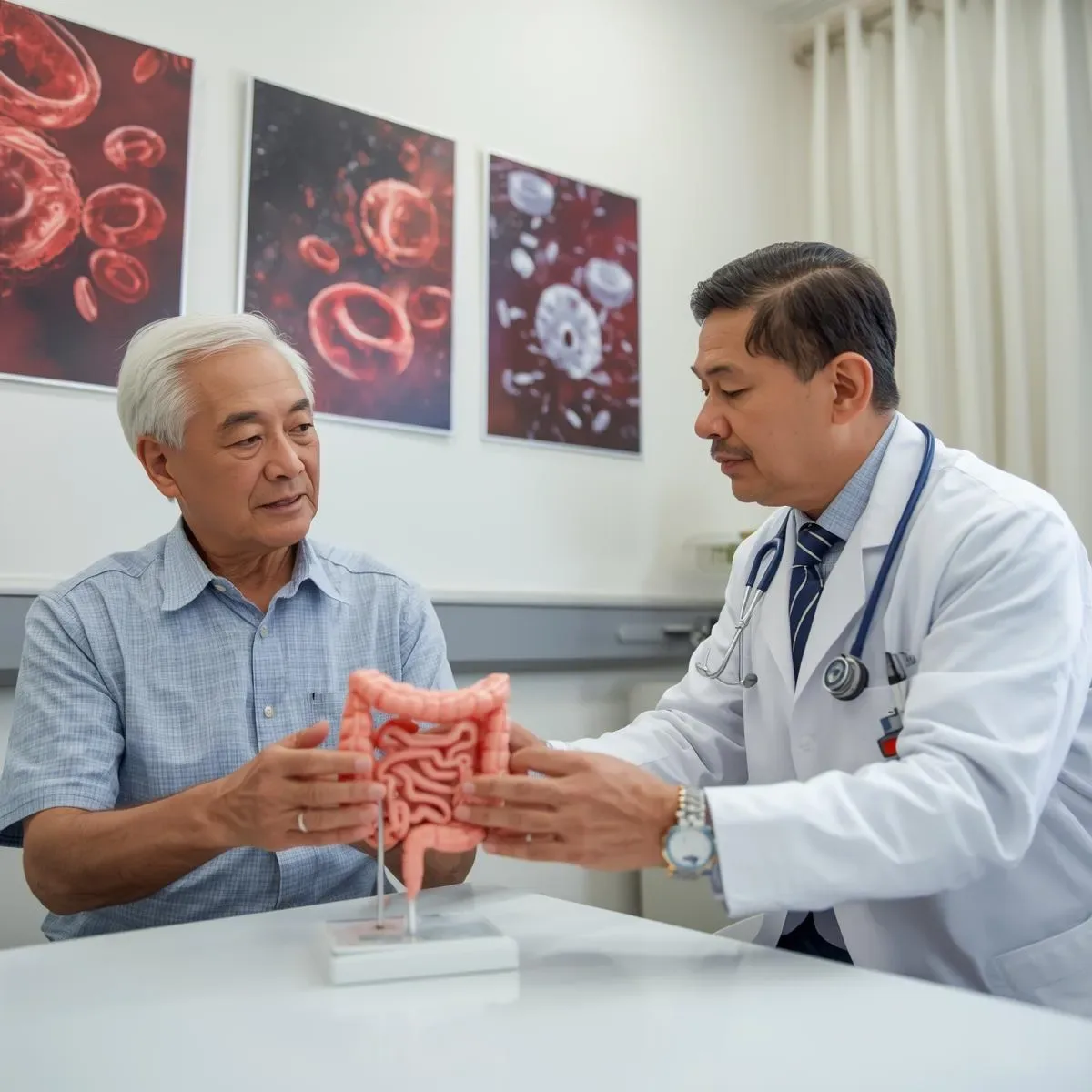
How Are White Blood Cells and the Intestinal System Related?
How are white blood cells and the intestinal system related? Many people may think white blood cells and the intestines are two separate things — white blood cells live in the blood, while the intestines sit in the abdomen and handle digestion. But in truth, these two systems are connected far more deeply than most people realize, because over 70% of the body's immune system resides in the intestines. That means if your gut is healthy, your immune system and white blood cells will work better. But if the gut is weak, nutrient absorption is poor, or there is chronic inflammation, white blood cell counts can quietly drop without you even noticing.
Getting to Know White Blood Cells First — the Body's Key Soldiers White blood cells (WBCs) are part of the immune system, responsible for fighting germs, foreign substances, and various toxins that enter the body. In a healthy person's blood, there are roughly 4,000–10,000 white blood cells per microliter. If the count falls below this range, it's called low white blood cells — a condition in which the body's immunity is weakened and infections occur more easily. But did you know white blood cells don't work in the blood alone? They are constantly communicating with the intestinal system.
Why the Gut Is the Center of Immunity Inside our intestines live an enormous number of tiny organisms called gut microbiota, which outnumber the cells in our own body many times over. These microorganisms are not just bacteria — they form a system that helps regulate digestion, nutrient absorption, and the activation of the body's immunity, especially the production of white blood cells and the response to pathogens. Our intestines are therefore like a training academy for white blood cells.
How the Gut and White Blood Cells Work Together Let's look at an easy-to-understand overview of how these two systems work in relation to one another.
1. The gut is a site that trains and produces certain types of white blood cells Inside the intestines are small lymphoid tissues called Peyer's Patches, whose job is to stimulate the production of white blood cells known as lymphocytes, the main drivers of immunity. When pathogens enter through food, the gut signals these white blood cells to come out and defend the body immediately.
2. Good microbes help stimulate white blood cells Beneficial microbes (probiotics) in the gut produce important substances that help white blood cells work better, such as
- Helping white blood cells recognize pathogens more effectively
- Stimulating the production of new blood cells
- Preventing white blood cells from being suppressed by chronic inflammation
3. The gut helps filter out foreign substances The intestines have a lining that acts as a frontline defense preventing pathogens from entering the bloodstream. But if the intestinal lining is weakened — for example, from inflammation or a condition known as leaky gut — pathogens and toxins can slip into the blood, forcing white blood cells to work harder and ultimately causing their numbers to decline.
When the Gut Falls Out of Balance, White Blood Cells Suffer Too If your gut starts having problems — such as frequent constipation, diarrhea, gas, or bloating after eating anything — that may be a sign that your gut microbiota has fallen out of balance. When beneficial microbes decrease, disease-causing microbes increase, leading to chronic inflammation in the intestines, which in turn suppresses the function of the bone marrow and white blood cells.
The resulting consequences include
- Getting infections more easily
- Chronic fatigue
- Low white blood cell counts on blood test results
- Slower recovery after chemotherapy or surgery
This is especially true for cancer patients or elderly individuals, whose immunity is already reduced — if the gut isn't functioning well, the risk of infection or failing blood-count thresholds during treatment increases even further.
How to Restore Gut Health to Help White Blood Cells Recover Their Strength Caring for your gut isn't difficult at all — small adjustments to your habits can naturally restore your immunity.
1. Eat foods rich in probiotics and prebiotics Foods rich in beneficial microbes, such as
- Yogurt
- Fermented milk
- Kefir
- Naturally fermented vegetables, such as kimchi
And these should be eaten together with high-fiber foods, such as bananas, oats, or leafy green vegetables, to feed and help beneficial microbes grow.
2. Get enough protein Protein is a key building block for both intestinal cells and white blood cells. When the body doesn't get enough protein, the intestinal lining repairs itself more slowly, and white blood cell production decreases. For cancer patients or those who eat very little, it is recommended to supplement with high-quality protein that is easy to digest and quickly absorbed, such as cancer patient protein from Royim Protein.
3. Drink enough water Water helps the intestines function normally, prevents constipation, and helps flush out waste that could otherwise cause inflammation in the gut.
4. Avoid foods that harm the gut
- Very oily or fried foods
- High-sugar foods
- Alcoholic beverages
- Processed foods
These foods reduce beneficial microbes and increase inflammation in the gut.
5. Get enough rest and reduce stress The stress hormone (cortisol) directly affects the function of the gut and the immune system. When stress persists for a long time, the intestines move abnormally and white blood cell counts decline.
Cancer Patient Protein from Royim Protein A supplement that supports both white blood cells and gut health at the same time. In patients with low white blood cell counts, intestinal inflammation, or poor nutrient absorption, getting enough protein from regular food may not be sufficient, because the digestive system slows down. That's why it's worth supplementing with the specially formulated protein from Royim Protein, designed specifically for cancer patients and the elderly.
Key Strengths of Royim Protein
- Pure extracted protein, easy to digest and quickly absorbed — suitable for those with a weak or poorly absorbing gut
- Helps support the production of white blood cells and immunity, with a complete set of essential amino acids plus vitamin B and iron
- Helps restore a healthy gut — protein helps repair the intestinal lining and reduce inflammation in the digestive system
How to Take It Properly
- Mix 1 scoop of protein powder into 200 milliliters of room-temperature water
- Stir until dissolved, drink after meals or before bed
- For cancer patients or those restoring their immunity, it is recommended to drink 1–2 times a day
Benefits of Drinking It Regularly
- Supports the production of white blood cells and immunity
- Helps strengthen the intestinal system, improving digestion and absorption of food
- Reduces the chance of infection and feelings of fatigue
- Speeds up recovery after chemotherapy or other treatments
Tips to Help the Gut and White Blood Cells Work as a Team
- Eat a complete, balanced diet, focusing on protein and fresh fruits and vegetables
- Add beneficial microbes daily, such as yogurt or kefir
- Get enough rest — don't go more than 2 consecutive nights without proper sleep
- Exercise lightly and regularly, such as walking 20 minutes a day
- Drink at least 1.5–2 liters of clean water per day
- Reduce stress and stay positive, since stress lowers immunity
White blood cells and the intestinal system do not work separately — they are an inseparable pair. Whenever the gut falls out of balance, white blood cell function declines, immunity weakens, and the body becomes more prone to infection. That's why keeping the gut healthy is one of the key pillars of good long-term health. At every step of your recovery, Royim Protein is here beside you. Our specially formulated protein shake is designed to boost energy, restore muscle, and help your body grow stronger — so every day of yours is filled with the strength to keep fighting. Choose Royim Protein, the right partner for your good health today.