
Blogs
How Do Anti-Cancer Drugs Work? Uncovering the Mechanism That Fights Cancer Cells, Plus Supplements to Boost Energy During Treatment
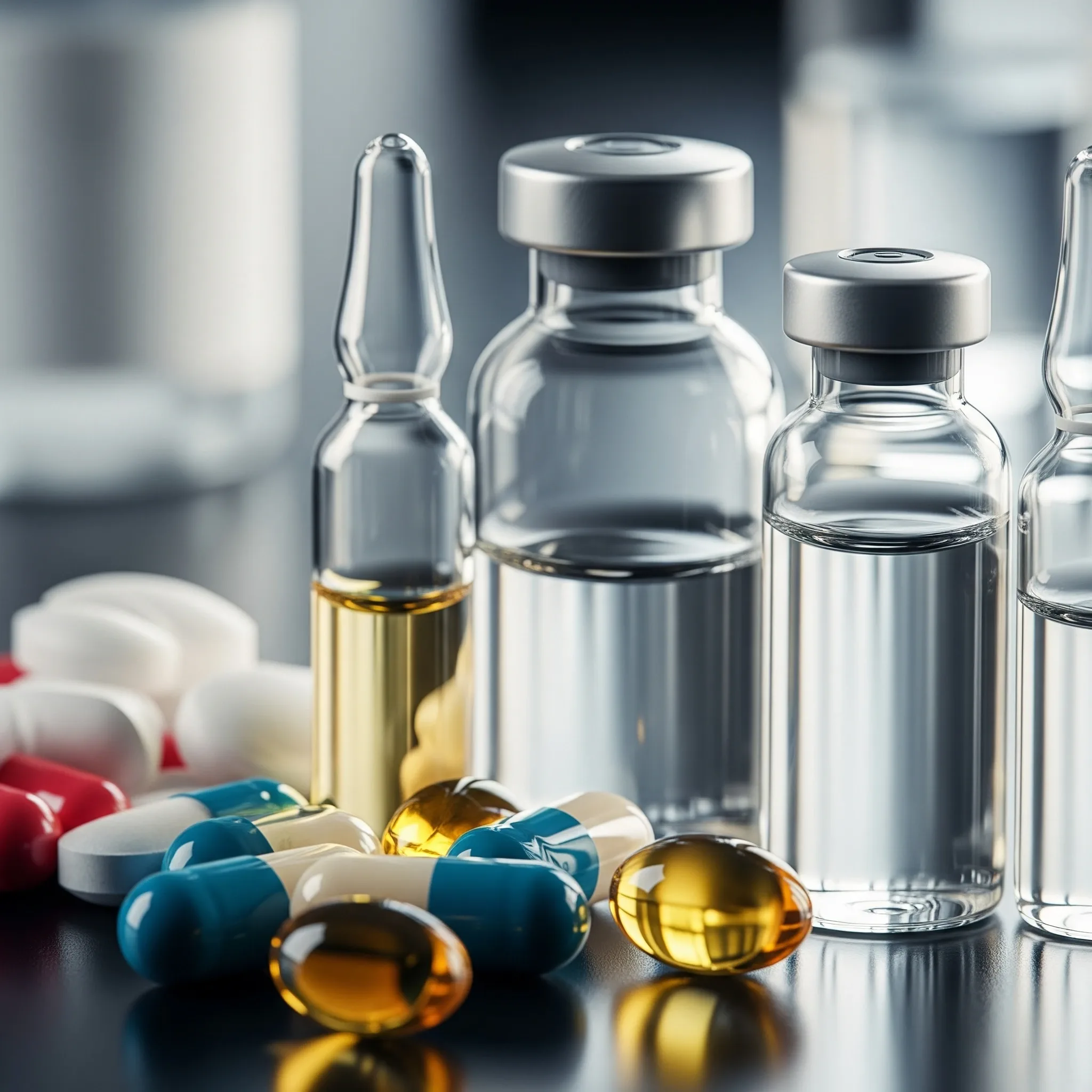
How Do Anti-Cancer Drugs Work? Uncovering the Mechanism That Fights Cancer Cells, Plus Supplements to Boost Energy During Treatment
How do anti-cancer drugs work? Uncovering the mechanism that fights cancer cells, plus supplements to boost energy during treatment. When people think of cancer treatment, many picture chemotherapy, radiation, or surgery. But one modern treatment mechanism that has drawn a great deal of attention is anti-cancer drugs, developed specifically to target cancer cells. We'll take a deep dive into how anti-cancer drugs work, how they help patients, and — importantly — how choosing the right nutrition, especially protein shakes, plays a major role in rebuilding cells, restoring the body, and effectively boosting the ability to tolerate the drugs' side effects.
What are anti-cancer drugs? Anti-cancer drugs are a group of medications designed to stop or slow the growth of cancer cells. Their goal is to destroy cancer cells, disrupt their division, or trigger the cells to die on their own without excessively harming healthy cells. Each type of drug works differently depending on the cancer type and how the target cells function.
Types of anti-cancer drugs
- Cytotoxic drugs kill rapidly dividing cells, such as traditional chemotherapy drugs
- Targeted therapy drugs act specifically on proteins or molecules on cancer cells, such as Trastuzumab for HER2-positive breast cancer
- Hormonal therapy drugs adjust hormone levels to control cancer growth, such as for breast cancer and prostate cancer
- Immunotherapy stimulates the immune system to detect and destroy cancer cells on its own
How anti-cancer drugs work
- Stopping cancer cell division Cancer cells divide abnormally fast. Some drugs interfere with the cell division process, such as by disrupting DNA or RNA synthesis
- Triggering cell death (apoptosis) Some drugs stimulate cancer cells to enter their natural death process
- Blocking cell growth signals Targeted therapy drugs in particular interfere with the signals cancer cells use to grow
- Boosting immunity Immunotherapy drugs suppress the cells that block immune function, allowing the body to destroy cancer cells on its own again
Side effects that can occur with anti-cancer drugs include nausea, vomiting, loss of appetite, weight loss, severe fatigue, hair loss, reduced immunity, muscle wasting, or loss of muscle mass.
Nutrition during cancer treatment Cancer patients receiving anti-cancer drugs often experience nutritional problems such as loss of appetite, fatigue, weight loss, and muscle weakness, which can directly affect treatment effectiveness. Choosing the right nutrition is therefore extremely important.
Recommended nutrition during cancer treatment
- High-protein foods Protein is the key nutrient that helps repair cells and rebuild muscle lost to drug side effects
- Adequate energy Getting enough calories helps the body have the strength to fight the disease
- Vitamins and minerals especially vitamins B, C, and E, and minerals such as zinc and selenium, which help boost immunity
- Sufficient water to flush toxins from the body and reduce the risk of dehydration from nausea or diarrhea
Protein shakes, the secret weapon for restoring the body during treatment. Protein shakes are an excellent option for patients who struggle to eat full meals, or who need large amounts of protein but can't get enough from regular food. Protein shakes offer the following benefits
Benefits of protein shakes
- Easy to digest Absorbed quickly, ideal for patients with a weakened digestive system
- Adjustable ratios of protein, fat, carbohydrates, and minerals can be controlled
- Wide variety of flavors allowing patients with loss of appetite to still consume them
- Helps prevent muscle mass loss which is commonly seen with chemotherapy use
Types of protein shakes suitable for cancer patients
- Whey Protein Isolate highly pure, concentrated protein, easy to digest, lactose-free
- Plant-based protein such as soy or pea protein, suitable for those with milk allergies
- Medical-formula protein blends with added vitamins, minerals, and energy specifically for recovery
Guidelines for choosing a protein shake Choose one with 20-30 grams of protein per serving, avoid high sugar content or excessive artificial flavoring, and consult a nutritionist before use.
Simple protein-boosting menu ideas for cancer patients
- Banana-almond protein shake 1 ripe banana, 1 scoop whey protein isolate, 200ml almond milk, a little ice, blend together. Drink 1-2 glasses per day
- Egg white and tofu soup 1 bar egg tofu, 2 egg whites, vegetable broth, a little leafy green vegetable, season lightly, serve warm
- Berry and plant-protein smoothie 1 cup frozen berries, 1 scoop pea protein, plain yogurt, a little honey
Treating cancer with anti-cancer drugs is a challenging process for both body and mind, but proper nutrition — especially supplementing with easily digestible protein such as protein shakes — helps improve recovery, reduce side effects, and build muscle and immunity so the body can fight cancer effectively.
Patients should seek guidance from a doctor or nutritionist before choosing any protein shake or supplement, to ensure it suits their specific treatment plan and overall health condition. Having the right knowledge, understanding, and nutrition helps make the fight against cancer not just treatment, but a recovery process that begins from within. On every step of your recovery journey, Royim Protein stands by your side. Our specially formulated protein shakes are designed to boost energy, restore muscle, and help your body grow stronger, filling every day with the strength to keep fighting. Choose Royim Protein, the right choice for your good health today.