
Blogs
How Do Anti-Cancer Drugs Work? An In-Depth Look at Anti-Cancer Drugs Anyone Can Understand
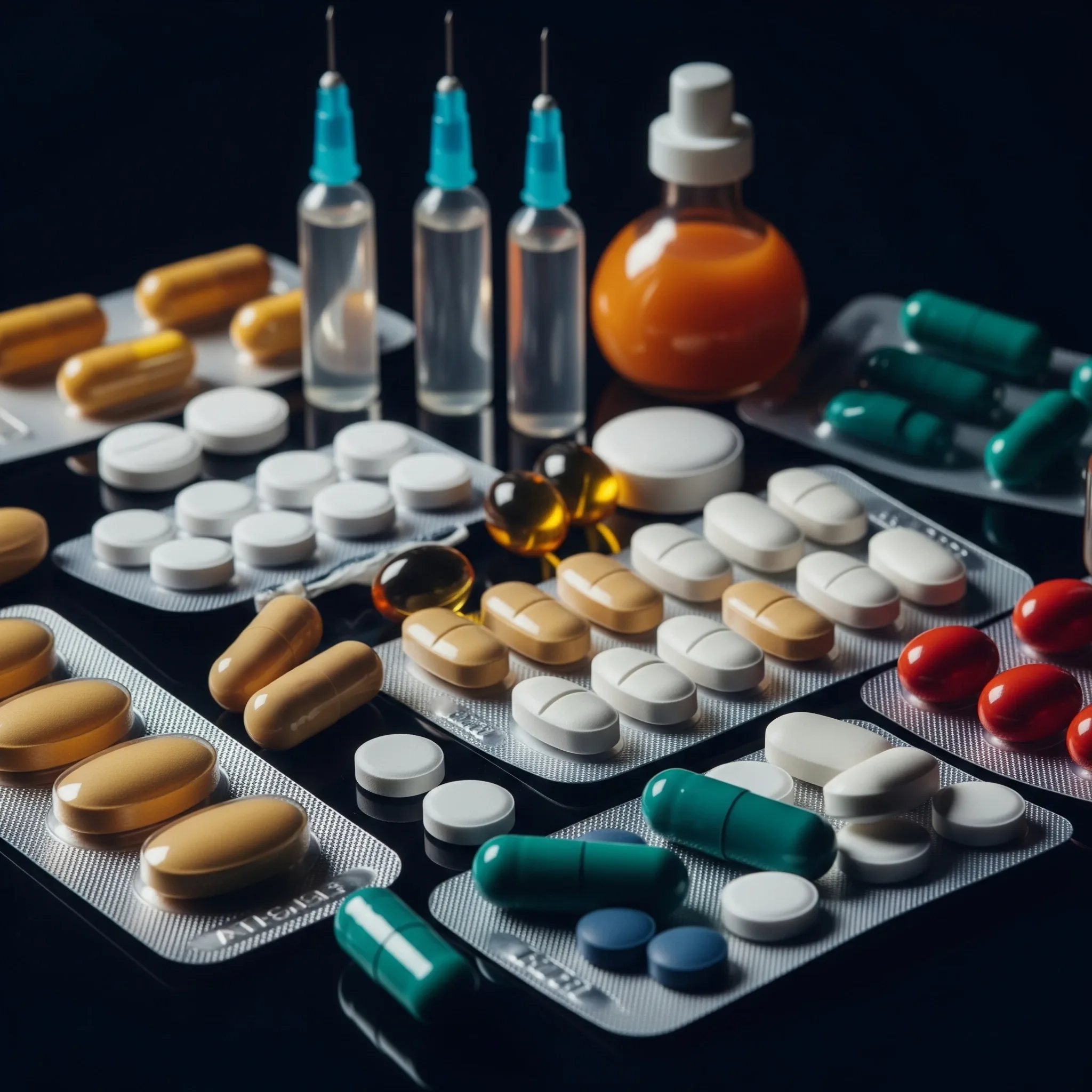
How Do Anti-Cancer Drugs Work? An In-Depth Look at Anti-Cancer Drugs Anyone Can Understand
How do anti-cancer drugs work? An in-depth look at anti-cancer drugs anyone can understand. In the modern world, cancer remains one of the deadliest diseases, claiming countless lives around the globe. Even though medical science has advanced tremendously, the fight against cancer still requires several forms of treatment working together. One of the most important is the use of anti-cancer drugs, which are central to controlling the growth of cancer cells. Let's walk through, in simple terms, what anti-cancer drugs are, how they work, and why nutrition — especially protein shakes — plays such an important role in helping the body recover during and after treatment.
What are anti-cancer drugs? Anti-cancer drugs are medications specifically designed to inhibit or destroy cancer cells. They may be used alone, or together with surgery, radiation, or other treatments to increase overall treatment effectiveness.
Types of anti-cancer drugs used today
- Chemotherapy These drugs target cells that divide rapidly, a hallmark trait of cancer cells. However, some normal cells that also divide quickly — such as bone marrow cells, hair follicle cells, and the lining of the digestive tract — can be affected too, leading to side effects such as hair loss, loss of appetite, or fatigue.
- Hormonal Therapy Used to treat hormone-responsive cancers such as breast cancer and prostate cancer. These drugs help lower hormone levels in the body or block the action of hormones that stimulate the growth of cancer cells.
- Targeted Therapy These drugs target specific abnormal proteins or genes within cancer cells, without damaging normal cells to the same extent as chemotherapy, resulting in fewer side effects.
- Immunotherapy Stimulates the patient's own immune system to recognize and fight cancer cells on its own.
- Newer Anti-cancer Drugs Such as CAR-T Cell Therapy and gene-therapy-based anti-cancer treatments, which use advanced biotechnology.
How chemotherapy and anti-cancer drugs work
- Damaging cancer cell DNA Many drugs interfere with the cell division process by damaging the structure of DNA, the cell's operating blueprint, preventing cancer cells from dividing.
- Halting production of proteins needed for growth Some drugs inhibit enzymes essential for DNA replication or protein synthesis, preventing cancer cells from producing what they need to survive.
- Triggering cancer cells to undergo apoptosis Some drugs prompt cancer cells to self-destruct, without harming normal cells.
Side effects of anti-cancer drugs Although anti-cancer drugs aim to destroy malignant cells, they often affect some healthy cells as well, causing various symptoms such as
- Chronic fatigue Protein is essential for producing energy and repairing cells. When the body doesn't get enough protein, you feel continuously tired, drained, and lacking the energy for daily activities, even after resting.
- Loss of appetite Protein deficiency can affect the digestive system, causing stomach discomfort and nausea, which further reduces appetite and leads to inadequate nutrient intake.
- Weight loss When the body doesn't receive enough protein, it begins breaking down muscle mass for energy instead, causing muscles to shrink and body weight to drop rapidly for no apparent reason — a warning sign that deserves attention.
- Hair loss Protein is a primary building block of hair. When the body lacks protein, hair becomes weaker, falls out more easily, and looks dry and lifeless.
- Weakened immunity Protein plays a key role in building immunity and antibodies. Without enough protein, the immune system weakens, leaving the body less able to fight off infection effectively, resulting in lowered immunity and greater susceptibility to infections.
- Digestive system dysfunction Protein is important for producing the enzymes and hormones involved in digestion. A protein deficiency can disrupt digestive function, causing bloating, constipation, or chronic diarrhea.
Restoring the body with high-protein foods after treatment While receiving anti-cancer drugs, patients lose significant energy and muscle mass, and need nutrients that can effectively restore the body.
Protein: the best cell repairer Protein is the primary nutrient that helps build and repair tissue in the body. After chemotherapy, the body needs to produce new blood cells, rebuild lost muscle, and repair the lining cells damaged by the drugs. Getting enough protein is therefore essential.
Protein shakes: an option for those who can eat little Many cancer patients face loss of appetite, difficulty swallowing, or nausea after treatment, making it hard to get enough protein from regular food. Protein shakes are a great alternative, thanks to the following qualities
- Easy to digest, quickly absorbed Most protein shakes are formulated with small molecules, allowing the body to digest and absorb the nutrients quickly and efficiently — especially beneficial for those recovering muscle after exercise or with a weak digestive system.
- High-quality protein in the right amount Protein shakes can deliver high-quality protein (such as whey protein isolate or complete plant-based protein) in a precisely controlled amount, making it easy to calculate and adjust daily protein intake to match the body's needs.
- Formulas can be tailored to the body's condition The wide variety of protein shakes allows for choosing a formula suited to each individual — such as sugar-free for those managing blood sugar levels, vitamin- and mineral-fortified for filling nutritional gaps, or essential amino acids for targeted recovery.
- Convenient to consume even on low-appetite days Protein shakes come in liquid form, making them convenient and easy to consume — especially on days with loss of appetite, nausea, or an inability to eat enough solid food, ensuring the body still receives the protein it needs continuously.
Sample protein-boosting menus for patients after treatment
- Shredded chicken rice porridge + 1 glass of unflavored protein shake This menu delivers high protein from shredded chicken and the protein shake, ideal for days when a light meal is needed while still providing energy and supporting recovery.
- Egg white and spinach soup + vanilla-flavored protein shake Egg white and spinach soup provides protein and vitamins from leafy greens; paired with a vanilla protein shake, it offers a smooth, well-rounded flavor and extra protein to boost immunity and nourish the body.
- Fish congee + chocolate-flavored protein shake (served cold) Fish congee is easy to digest and provides protein from fish; paired with a cold chocolate protein shake, it delivers a delicious, refreshing taste and a good energy boost — ideal for those needing nutrition during periods of low appetite.
Medication and nutrition must work together. While anti-cancer drugs are key to destroying cancer cells, restoring the body's strength requires good nutrition as well — especially adequate protein through food or protein shakes. Balanced care, both internally and externally, helps cancer patients get through this difficult period with a better quality of life, fewer complications, and a faster chance of recovery. At every step of your recovery, Royim Protein is here beside you. Our specially formulated protein shake is designed to boost energy, restore muscle, and help strengthen your body, filling every day with the strength to keep fighting. Choose Royim Protein, the right partner for your good health today.