
Blogs
How Do Anti-Cancer Drugs Work? Plus How to Care for Your Body While Taking Them
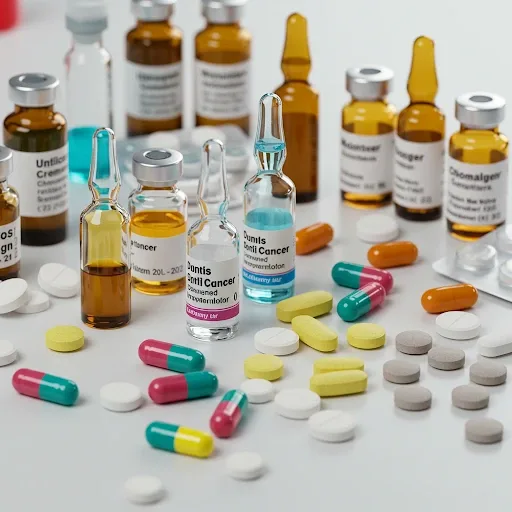
How Do Anti-Cancer Drugs Work? Plus How to Care for Your Body While Taking Them
How do anti-cancer drugs work? Plus how to care for your body while taking them. Cancer is one of the leading causes of death worldwide. There are many approaches to treating cancer, including the use of anti-cancer drugs, which play an important role in inhibiting the growth of cancer cells. We'll explain how anti-cancer drugs work, the side effects that may occur, and how to care for your body while taking them — especially the use of protein shakes to help restore an immune system that may be suppressed by the effects of these medications.
What Are Anti-Cancer Drugs? Anti-cancer drugs are medications used to treat cancer, with the goal of destroying or inhibiting the growth of cancer cells. These drugs can be divided into several categories based on their mechanism of action, such as:
- Antimitotic agents Drugs in this group interfere with the cell division process of cancer cells, preventing them from multiplying
- Antimetabolites Drugs in this group work by disrupting the metabolic process — the process by which cancer cells produce and use energy — preventing the cells from functioning and growing normally
- Hormonal therapy Drugs in this group are used to treat certain cancers whose growth is stimulated by hormones, such as breast cancer and prostate cancer, by rebalancing or inhibiting the activity of those hormones
- Anti-angiogenic agents Drugs in this group inhibit the formation of new blood vessels needed for the growth and spread of cancer cells. When cancer cells can no longer build new blood vessels to nourish them, they become deprived of nutrients and oxygen and eventually die
How Anti-Cancer Drugs Work Anti-cancer drugs work by interfering with various processes within cancer cells, such as:
- Inhibition of cell division Drugs that inhibit mitosis, a critical step in cell division. When this process is blocked, cancer cells cannot multiply
- Damage to cancer cell DNA Some drugs work by damaging the DNA structure of cancer cells. Once the DNA is damaged, the cell can no longer function or survive normally, leading to cell death
- Inhibition of enzymes essential for cancer cell growth Cancer cells rely on certain enzymes that differ from those in normal cells and are essential for their growth and survival. Some drugs interfere with the activity of these enzymes, preventing cancer cells from growing and dividing
Side Effects of Anti-Cancer Drugs The use of anti-cancer drugs can cause various side effects, since these drugs can also affect normal cells that divide rapidly, such as cells in the digestive tract, blood cells, and skin cells. Common side effects include:
- Nausea and vomiting Caused by chemotherapy drugs stimulating the vomiting control center in the brain
- Hair loss Hair loss occurs because chemotherapy drugs are not specific to cancer cells alone — they also affect normal cells that divide rapidly, including hair follicle cells
- Leukopenia (low white blood cell count) Chemotherapy can suppress bone marrow function, the source of blood cell production, reducing white blood cell counts and increasing the patient's risk of infection
- Fatigue The feeling of fatigue results from chemotherapy drugs damaging normal body cells, as well as their effects on the immune system and the body's energy metabolism
Caring for Your Body While Taking Anti-Cancer Drugs Caring for your body while taking anti-cancer drugs is important to help reduce side effects and strengthen immunity. Recommended approaches include:
Eating nutritious food Focus on high-protein foods such as fish, eggs, beans, and dairy products to help repair tissue and boost immunity.
- Quality protein sources Good sources of protein include fish, eggs, beans, and dairy products, which should be emphasized in the diet
- Role in tissue repair Protein is a key nutrient needed to build and repair various tissues in the body, which may be affected by cancer treatment
- Role in strengthening immunity Protein is an essential component of cells and substances within the immune system. Getting enough protein helps the immune system function more effectively
Getting enough rest Adequate sleep helps the body recover and reduces fatigue.
Light exercise such as walking or yoga helps stimulate blood circulation and reduce stress.
Avoiding infection Maintain personal hygiene and avoid crowded places.
These side effects are things that patients undergoing chemotherapy may have to face. However, the severity of side effects varies from person to person, depending on the type of drug used, the dosage, the duration of treatment, and the patient's overall health. Today, there are various ways to manage and alleviate these side effects, helping patients continue their treatment and maintain a better quality of life.
The Role of Protein Shakes in Restoring the Immune System Protein shakes are high-protein drinks that can help restore an immune system that may be suppressed by the effects of anti-cancer drugs. Their benefits include:
- Strengthening immune cells Protein is a key component of cells within the immune system, such as antibodies, which fight infection and cancer cells. Getting enough protein helps the immune system function effectively
- Repairing damaged tissue Cancer treatments such as surgery, radiation therapy, and chemotherapy can affect various tissues in the body. Protein is the primary nutrient needed to build and repair damaged tissue, helping the body recover better
- Boosting energy Protein helps reduce feelings of fatigue and increases physical strength, which is especially important for patients undergoing cancer treatment and facing its side effects
When choosing a protein shake, consider the protein content, protein quality, and other ingredients suitable for cancer patients.
Anti-cancer drugs play a vital role in treating cancer, working through various mechanisms to inhibit or destroy cancer cells. However, the use of these drugs may cause side effects that affect a patient's quality of life. Proper body care, including supplementing with protein shakes, can effectively help restore the immune system and reduce drug-related side effects. If you would like more information about protein shakes suitable for cancer patients, or advice on health care during treatment, please consult a doctor or nutrition specialist for guidance tailored to your physical condition. At every step of your recovery, Royim Protein stands by your side. Our specially formulated protein shake is designed to boost energy, restore muscle, and help strengthen your body, filling every day with the power to keep fighting. Choose Royim Protein, the right partner for your good health today.