
Blogs
How Anti-Cancer Drugs Work in the Body and the Side Effects to Watch For
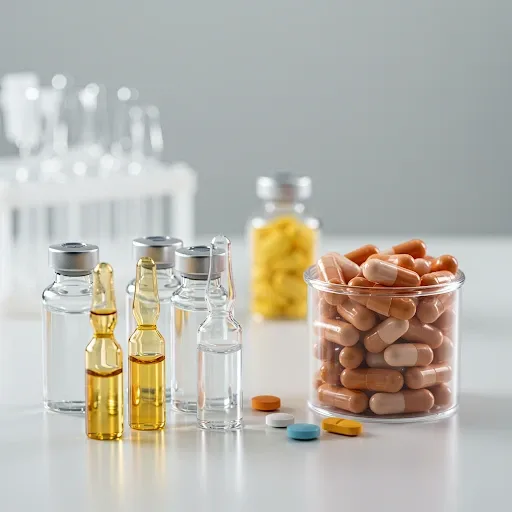
How Anti-Cancer Drugs Work in the Body and the Side Effects to Watch For
How anti-cancer drugs work in the body and the side effects to watch for. Cancer is a major global health concern that requires a combination of treatment approaches. One of the most widely used and highly effective methods is anti-cancer drugs, also known as chemotherapy. This class of drugs aims to eliminate or slow the growth of cancer cells. While effective in treatment, they can also cause side effects on the body, so caring for the body alongside medication use, including proper nutrition such as supplementing with protein shakes, is very important for restoring patients' health.
What are anti-cancer drugs? Anti-cancer drugs are a group of chemical medications designed to inhibit the growth of, or destroy, cancer cells in the body. Cancer cells divide rapidly and uncontrollably, so these drugs typically target the cell-division process.
Common types of anti-cancer drugs
- Alkylating agents work by interfering with the DNA of cancer cells, such as Cyclophosphamide and Cisplatin
- Antimetabolites disrupt the synthesis of the cell's genetic material, such as Methotrexate and 5-FU (Fluorouracil)
- Anti-tumor antibiotics inhibit the growth of cancer cells by interfering with DNA, such as Doxorubicin
- Plant alkaloids are derived from plants, such as Vincristine and Paclitaxel, and inhibit cell division
- Targeted therapy targets specific mechanisms, such as inhibiting enzymes or proteins that cancer cells need, such as Imatinib
- Immunotherapy stimulates the immune system to fight cancer cells, such as Nivolumab and Pembrolizumab
How anti-cancer drugs work
Targeting fast-dividing cells Most anti-cancer drugs are primarily aimed at destroying cells that divide faster than normal, which is a key characteristic of cancer cells.
Effects on normal cells However, these drugs can also affect certain normal cells in the body that likewise divide rapidly, such as the lining cells of the digestive tract (causing nausea, vomiting, and diarrhea), hair follicle cells (causing hair loss), or blood cells in the bone marrow (causing lowered immunity). This is the cause of the commonly seen side effects.
Mechanisms for suppressing cancer cells Anti-cancer drugs work by
- Stopping cancer cell division interfering with the DNA or RNA synthesis processes needed for cell division
- Causing cancer cell death (Apoptosis) triggering the programmed cell-death process
- Causing mutations that make the cells unable to survive disrupting the structure or function of DNA in cancer cells so that the cells can no longer function or continue dividing
Differences between drug types As emphasized, each type of anti-cancer drug has a different action period, mechanism of action, and method of use, which the treating physician selects based on
- Type of cancer different cancers respond differently to drugs
- Stage of the disease the stage of the cancer affects which drug is chosen and the treatment goal
- Patient's health overall physical condition, organ function, and any underlying conditions are important factors in choosing the drug and adjusting the dosage
Side effects to watch for with anti-cancer drugs Although beneficial for treatment, anti-cancer drugs can cause several side effects, including
- Nausea and vomiting caused by irritation in the stomach and brain
- Hair loss because hair follicle cells divide quickly and are sensitive to the drugs
- Low blood cell counts such as anemia, increased susceptibility to infection, or easy bleeding
- Fatigue and muscle weakness from nutrient deficiency or muscle breakdown
- Loss of appetite leading to insufficient nutrient intake
- Weakened immunity increasing the risk of infection
Body care and nutrition while taking anti-cancer drugs
- Focus on nutritious food getting enough protein, vitamins, and minerals is extremely important for strengthening the body, repairing tissue, and supporting the immune system, which may be affected by anti-cancer drugs
- Avoid foods that may cause digestive problems if experiencing nausea, vomiting, or diarrhea, avoid high-fat or heavily spiced foods, as they may worsen symptoms. Choosing gentle, easy-to-digest foods will help reduce the burden on the digestive system
- Drink enough water drinking an adequate amount of water is important for helping flush toxins from the body, which may include anti-cancer drugs and byproducts of cancer cell breakdown. It also helps prevent dehydration
- Eat small, frequent meals dividing meals into several small portions throughout the day may help reduce nausea and allow the body to receive nutrients continuously without feeling overly full
The role of protein shakes in body recovery
- Building muscle protein shakes are a source of essential amino acids, the building blocks of protein that are extremely important for repairing and building muscle tissue that may have been damaged by illness or treatment
- Boosting energy patients often experience fatigue and loss of energy during treatment and recovery. Protein supplementation helps the body receive the nutrients needed to produce energy and recover more quickly
- Reducing muscle wasting especially in patients who have lost their appetite and eat little, protein shakes are a concentrated and easy-to-consume source of protein that helps prevent muscle wasting, a common complication
- Easy to consume protein shakes are liquid, making them easy to consume for patients who have difficulty chewing or swallowing, which may result from treatment side effects or the condition of the disease
- Boosting immunity protein plays an important role in the process of producing antibodies, part of the immune system that helps fight infection, and is also necessary for producing white blood cells, which are responsible for protecting the body from foreign invaders
How to choose a protein shake for cancer patients
- Choose high-quality protein choosing good-quality protein, such as whey protein, which is easy to digest and absorb and contains a complete set of essential amino acids, is important for building and repairing tissue in cancer patients
- Low sugar content and no added chemicals choose products with low sugar content to avoid affecting blood sugar levels, and avoid unnecessary chemical additives such as artificial colors, flavors, or synthetic taste enhancers, to reduce the burden on the body
- Consider formulas fortified with vitamins and minerals choosing a protein shake fortified with additional vitamins and minerals may be beneficial for supporting the immune system and overall body function, which is often needed more by cancer patients
- Consult a doctor or dietitian the most important advice is to consult the treating physician or a dietitian experienced in caring for cancer patients, to assess each patient's protein and nutrient needs and choose the type of protein shake suited to their health condition and treatment plan
Anti-cancer drugs are an important part of cancer treatment, but they do carry side effects that require caution. Patients should receive care for both body and mind, with proper nutrition — especially protein shake supplementation for those experiencing malnutrition or muscle weakness — helping them recover effectively and return to a good quality of life. At every step of your recovery, Royim Protein is here beside you. Our specially formulated protein shake is designed to boost energy, restore muscle, and help strengthen the body, filling every day with the strength to keep fighting. Choose Royim Protein as your trusted partner for better health today