
Blogs
How Does Radiotherapy Work? How to Care for Yourself Before and After Treatment
How Does Radiotherapy Work? How to Care for Yourself Before and After Treatment
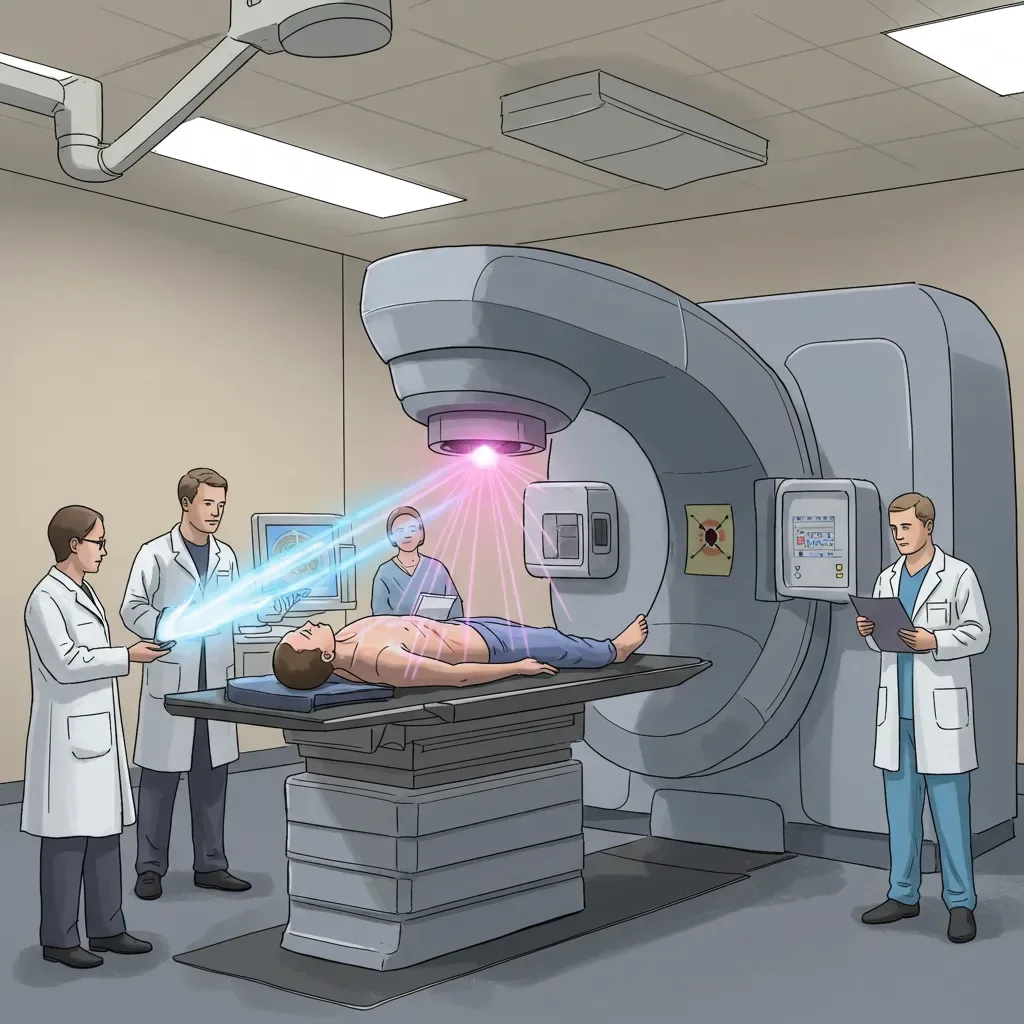
How does radiotherapy work? How to care for yourself before and after treatment. Cancer treatment with radiotherapy is a treatment method that uses high-energy radiation to destroy cancer cells. The radiation damages the DNA of cancer cells, preventing the cancer cells from dividing and eventually causing them to die. Radiotherapy can be used to treat many types of cancer, and can be used together with other treatments such as surgery or chemotherapy.
How radiotherapy works and side effects to watch for Radiotherapy is one of the cancer treatment methods that uses high-energy radiation to destroy cancer cells or slow the growth of abnormal cells. The radiation is delivered directly to the area containing cancer cells, with the main purpose of damaging the cancer cells' DNA to prevent them from dividing and spreading.
Side effects that may occur from radiotherapy Cancer treatment with radiotherapy may cause various side effects, because high-energy radiation can also damage normal cells around the cancer cells. Common side effects include
- Skin irritation The skin in the area receiving radiation may become red, dry, itchy, or develop sores. These symptoms usually occur toward the end of treatment and gradually fade after treatment is completed.
- Fatigue and lack of energy The body needs more energy to repair cells damaged by radiation. Fatigue may occur during treatment and may continue for several weeks after treatment is completed.
- Nausea and loss of appetite Especially in those receiving radiation to the abdominal area. These symptoms can be managed with anti-nausea medication and eating soft, bland foods.
- Weakened immunity Radiotherapy may reduce the number of white blood cells, making the body more susceptible to infection. Patients should therefore be careful about exposure to germs and inform their doctor if they have a high fever or signs of infection.
Other side effects that may occur
- Dry mouth and mouth soreness if radiation is given to the head and neck area
- Diarrhea or constipation if radiation is given to the abdominal area
- Hair loss if radiation is given to the head area
How to care for yourself before and after radiotherapy treatment
Before treatment Preparing nutritionally before undergoing radiotherapy treatment is important to help keep the body strong and ready to cope with any side effects that may occur. Here are recommendations on proper nutrition before treatment
- Eat nutritious food Focus on foods with complete nutrients, especially vegetables, fruits, and high-quality protein. Vegetables and fruits are rich in vitamins, minerals, and antioxidants that help strengthen the immune system and repair damaged cells. High-quality protein helps build muscle and repair damaged tissue. Good sources of protein include fish, eggs, tofu, and beans.
- Drink enough water Drinking at least 8 glasses of water a day helps cells function efficiently and prevents dehydration. To get the maximum benefit from food, it should be paired with vitamins and minerals, which help build blood cells and hemoglobin, strengthen muscles, boost immunity, and also help hormones and enzymes in the body function better.
Foods to avoid
- Avoid high-fat foods High-fat foods may cause inflammation in the body and weaken it. Avoid fried food, processed food, and foods high in animal fat.
- Avoid alcoholic beverages Alcohol may cause inflammation in the body and interfere with how medications work. Avoid all types of alcoholic beverages.
After treatment Taking care of yourself after radiotherapy treatment is important to help reduce side effects and support the body's recovery. Here are recommendations for self-care after treatment
- Care for the skin in the area that received radiation Avoid direct sun exposure. Wear clothing that covers the skin, or use sunscreen with a high SPF. Use gentle skin-cleansing products, and avoid scrubbing the skin in the area that received radiation. Use a fragrance-free moisturizer without irritating chemicals to help keep the skin moisturized.
- Avoid using irritating products Avoid using soap, perfume, lotion, or cosmetics containing harsh chemicals. Avoid using rough towels or scrubbing the skin in the area that received radiation.
Rest and exercise
- Get enough rest Fatigue is a common side effect of radiotherapy treatment. Get enough sleep and rest, and rest during the day if you feel tired.
- Exercise lightly Light exercise such as walking or yoga helps stimulate blood circulation and reduce fatigue. Consult your doctor about the type and intensity of exercise that is appropriate for you.
Mental health care
- Manage stress Cancer treatment can cause stress and anxiety. Make time to relax, such as listening to music, reading, or doing activities you enjoy. Talk with family, friends, or a counselor to express your feelings.
Food and protein shakes to help strengthen the body after treatment Nutrition is very important for those receiving radiotherapy. Good food helps the body recover faster, reduces malnutrition, and increases energy.
Recommended foods
- High-quality protein such as eggs, fish, chicken, tofu, and beans
- Complex carbohydrates such as brown rice and whole-wheat bread, to provide sustained energy
- Fresh vegetables and fruits rich in vitamins, minerals, and antioxidants
- Healthy fats from avocado, olive oil, and various nuts
The role of protein shakes in body recovery Protein shakes are another good option for those who cannot eat much after treatment. Protein shakes can help
- Build and repair muscle that has been weakened by the effects of radiotherapy
- Help the body get enough protein especially for those who have lost their appetite or can only eat small amounts of regular food
- Increase energy and reduce fatigue helping patients carry out daily activities more easily
Radiotherapy is an effective cancer treatment method, but it comes with side effects that may occur. Preparing before and caring for yourself after treatment is important to help the body recover faster. Nutritious food and protein shakes can help strengthen the body, reduce nutritional deficiencies, and help patients have a better quality of life after treatment. At every step of your recovery, Royim protein is here to stand by your side. Our specially formulated protein shake is designed to boost energy, restore muscle, and help make your body stronger, filling every day with the strength to keep fighting. Choose Royim protein, the right partner for your good health today.