
Blogs
How to Adjust Your Dinner Menu to Improve Your Blood Count
How to Adjust Your Dinner Menu to Improve Your Blood Count
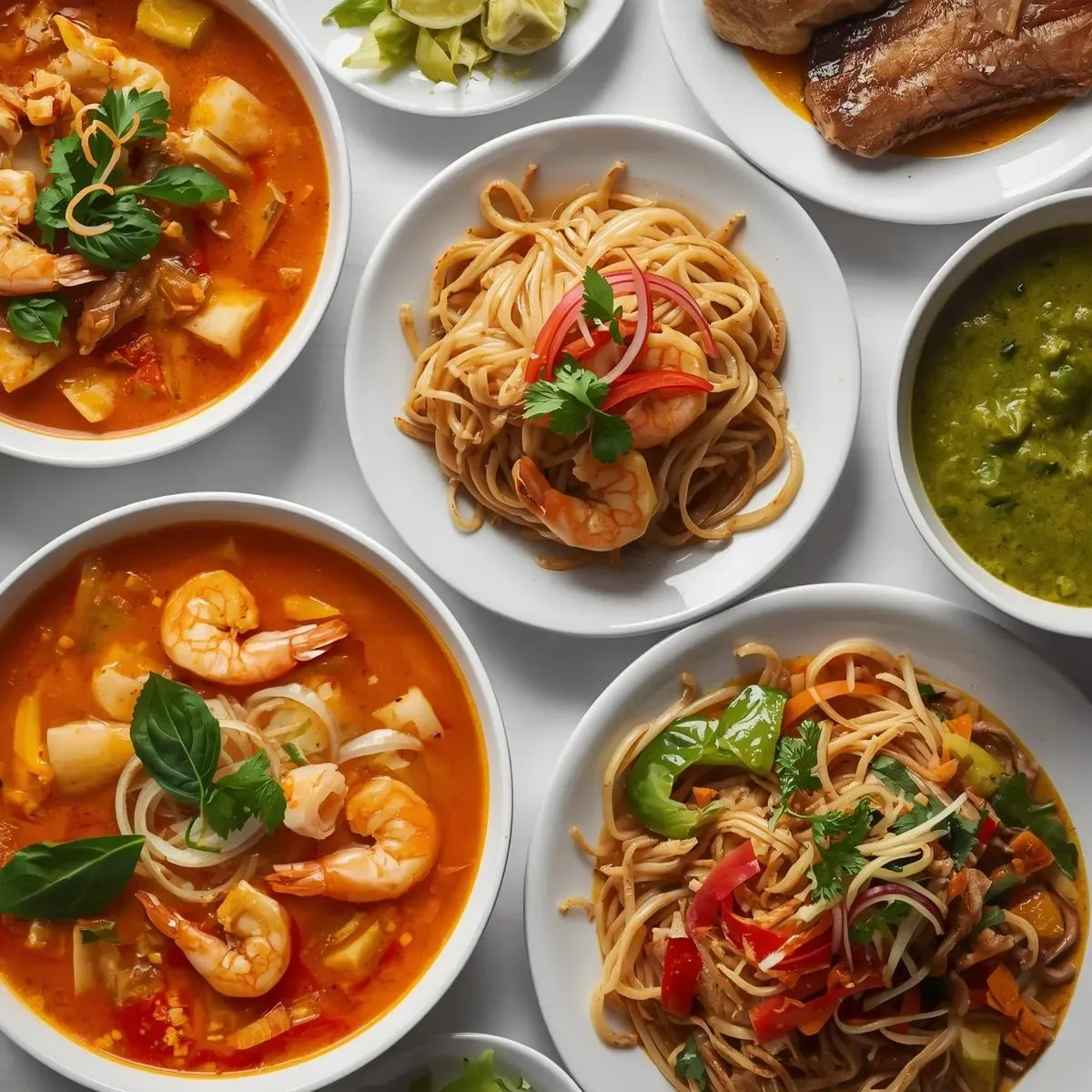
How to adjust your dinner menu to improve your blood count — for those who need regular blood tests, especially cancer patients who must prepare their bodies before chemotherapy. "Your blood count didn't pass" is a phrase that can be heartbreaking to hear, because it means treatment may need to be postponed, which affects both morale and the doctor's treatment plan. Many people may think that getting enough rest is the answer, but the truth is that dinner also plays an equally important role, because it's the meal during which the body repairs, recovers, and prepares for the next day's blood test. We'll walk you through simple ways to adjust your dinner menu to help improve your blood count — whether it's red blood cells, white blood cells, or platelets — along with practical nutrition tips you can apply in everyday life.
Why is dinner important for your blood count?
- The body's recovery window — sleep is when the body builds new cells, including blood cells
- Nutrient absorption — the body absorbs vitamins and minerals from dinner to repair tissue and produce blood
- Sugar and fat balance — a good dinner helps control blood sugar and fat levels, making test results more accurate
If we eat an inappropriate dinner — for example, very oily or very sweet food, or too little food — the body may not get enough nutrients to produce blood cells, which can result in a below-standard blood count on test day.
Nutrients that help nourish the blood — to help your blood count pass, especially for cancer patients, it's essential to focus on nutrients that support blood cell production
- High-quality protein helps build blood cells and repair tissue. Food sources include fish, chicken, egg whites, tofu, and soybeans
- Iron is essential for producing hemoglobin in red blood cells. Food sources include liver, pork blood, dark leafy greens, and dried beans
- Folate (vitamin B9) and vitamin B12 are important for red blood cell production. Food sources include spinach, asparagus, avocado, eggs, and milk
- Vitamin C helps improve iron absorption. Food sources include oranges, guava, and bell peppers
- Zinc and selenium boost immunity and help produce white blood cells. Food sources include nuts, pumpkin seeds, and seafood
Dinner menu ideas to nourish your blood count — adjusting your menu doesn't need to be complicated; try choosing from these examples
- High-protein menus such as grilled salmon with steamed vegetables and sweet potato, herb-roasted chicken served with leafy green salad and quinoa, or tofu soup with shiitake mushrooms and mixed vegetables
- Iron and folate menus such as stir-fried spinach with garlic served with brown rice, pork blood soup with ivy gourd and fragrant fresh ginger, or avocado salad topped with dried beans
- Immune-boosting menus such as pumpkin soup with soy milk topped with pumpkin seeds, oatmeal porridge mixed with shredded chicken and ginger, or tuna steak with orange sauce
Cooking tips
- Season lightly — reduce salt and sugar so the liver and kidneys don't have to work as hard
- Use steaming, boiling, or baking instead of frying to reduce saturated fat
- Eat brown rice or whole grains to add fiber and B vitamins
Behaviors to avoid at dinner
- Drinking tea, coffee, or alcoholic beverages — these increase fluid excretion and reduce iron absorption
- Eating very oily or very spicy food — this makes the digestive system work harder
- Eating too late at night — leave 2–3 hours before bed to allow time for digestion
For cancer patients, supplemental nutrition is a trusted companion — many chemotherapy patients struggle to eat enough, lose their appetite, or feel nauseous, so even knowing which foods nourish the blood, they still can't eat enough. This is why nutritional supplementation becomes so important.
Support from Royim Protein — if you or someone you love needs to prepare your body so your blood count is ready for testing and for chemotherapy, nutritional supplementation is an easy and safe option. Key features of the protein supplement for cancer patients from Royim Protein
- High-quality protein supports blood cell production and body repair
- Complete vitamins and minerals — contains iron, folate, vitamin B12, zinc, and vitamin C to support both red and white blood cells
- Appropriate energy content for those who can't eat large amounts of food
How to take it
- Mix 1–2 glasses per day, between dinner or before bed
- Mix with cold water or soy milk to add flavor and nutritional value
- Suitable for cancer patients or anyone who specifically wants to nourish their blood count
Adjusting dinner is the key, but when the body isn't getting enough food, protein shakes from Royim Protein help fill in the nutritional gaps completely, reduce worry about a dropping blood count, and help keep test results stable at the level your doctor needs.
Dinner plays an important role in producing and repairing blood cells. Choose high-protein foods, iron, folate, and vitamin C to nourish your blood count and get ready for testing. Avoid very oily food, and avoid coffee or alcohol before bed. If you can only eat small amounts, the protein supplement for cancer patients from Royim Protein is a convenient and safe option that helps improve your blood count and get you ready for treatment. Adjusting your dinner menu doesn't have to be complicated — just pay attention to the small details and supplement your nutrition fully, and you can help improve your blood count every day, ready to move forward in your treatment with confidence. Through every step of recovery, Royim Protein is here to stand by your side. Our specially formulated protein shake is designed to boost energy, restore muscle, and help your body grow stronger, filling every day with the strength to keep fighting. Choose Royim Protein, the right partner for your good health today.