
Blogs
How to Boost White Blood Cells in Elderly People Who Rarely Exercise
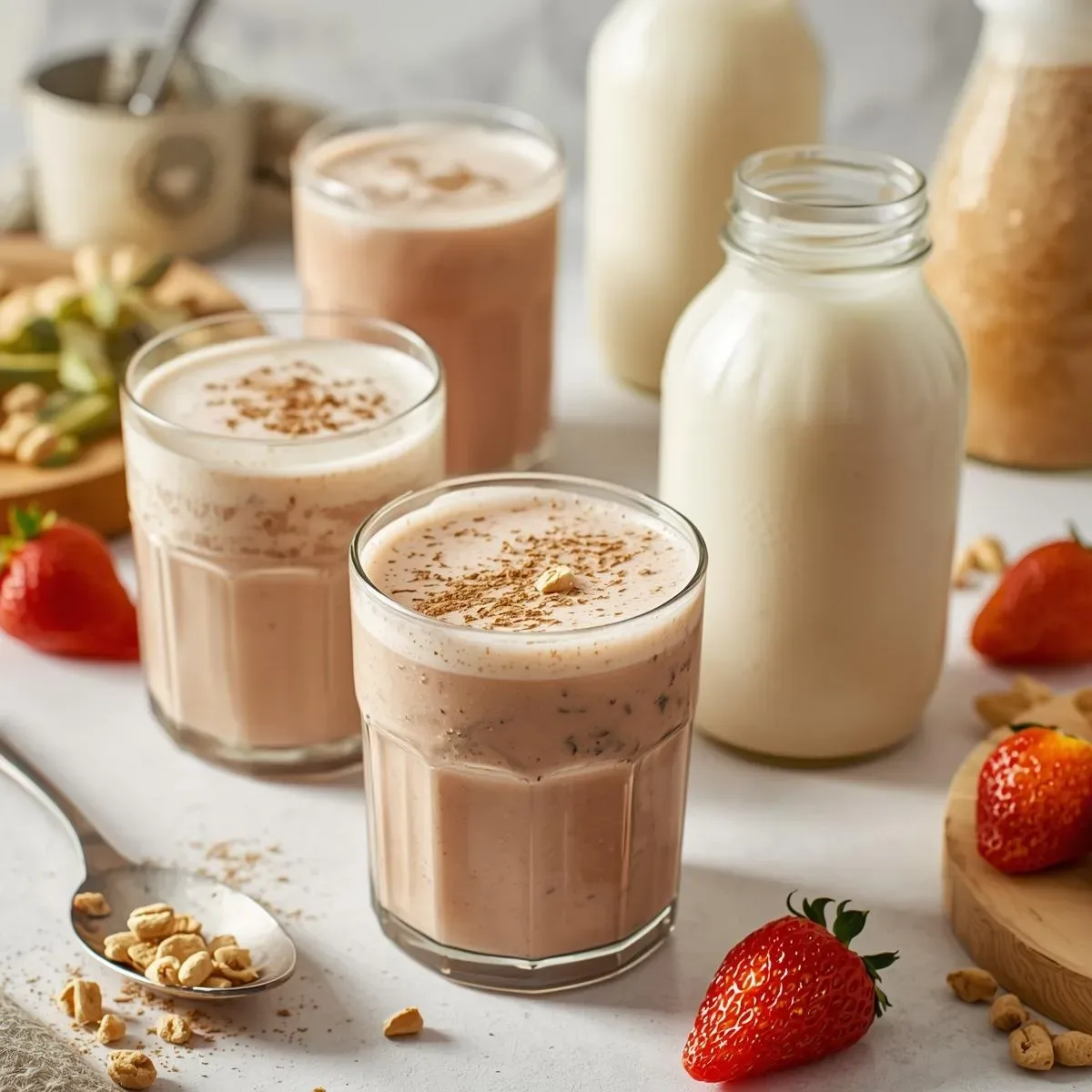
How to Boost White Blood Cells in Elderly People Who Rarely Exercise
How to boost white blood cells in elderly people who rarely exercise. As we age, the body's immune system naturally becomes less effective, especially white blood cells, which play a vital role in protecting the body from germs and foreign invaders. Elderly people who don't exercise much may therefore have lower-than-normal white blood cell counts, putting them at a higher risk of infection or slower recovery when they fall ill. Let's help you understand how white blood cells work, why elderly people who rarely exercise need to pay attention to this, and simple ways to boost white blood cells through diet, rest, and nutritional support suited to the golden years, along with how to use Royim Protein products designed for older adults who want to care for their health even without heavy exercise.
Getting to know white blood cells, the body's warriors. White blood cells (WBC) are cells in the blood that protect the body from germs such as viruses, bacteria, and various fungi, much like soldiers patrolling to find and destroy foreign invaders.
Key functions
- Detect and destroy germs
- Produce antibodies to prevent repeat infections
- Help repair the body when there are wounds
When white blood cells decline, the body becomes more prone to infection, such as frequent colds, slow-healing wounds, or fevers of unknown cause.
Why elderly people's white blood cell counts drop easily
- Increasing age — the bone marrow's blood cell production naturally slows with age
- Lack of movement — not exercising leads to poor blood circulation, resulting in the body producing fewer white blood cells
- Incomplete diet — many elderly people eat less, lose their appetite, or have difficulty chewing, leading to a lack of essential nutrients
- Underlying conditions and medications — such as diabetes, high blood pressure, or the use of immunosuppressant drugs
All of these factors weaken the immune system and lower white blood cell counts compared to younger people.
Warning signs that white blood cells may be low
- Frequent colds or sore throats
- Easily developing a fever
- Small wounds taking a long time to heal
- Feeling fatigued and weak
If these symptoms occur frequently, you should see a doctor for a blood test to find the cause.
How to boost white blood cells in elderly people who rarely exercise. Even without heavy exercise, there are still many simple ways to help stimulate the body's production of white blood cells.
1. Balance your diet across all 5 food groups, focusing on quality protein
- Protein from fish, chicken, and eggs helps build blood cells
- Dark leafy greens such as kale and broccoli contain folate and iron
- Beans and whole grains add zinc and selenium, which are essential for building immunity
Tip: Split meals into 4-5 small portions so you can eat more even when you don't feel very hungry.
2. Drink enough water. Water helps blood circulate well and carries nutrients to the bone marrow to produce white blood cells. You should drink 6-8 glasses of water a day, or about 1.5 liters.
3. Light daily movement. There's no need to run or go to the gym, just
- Walk around the house for 10-15 minutes
- Stretch in the morning and before bed
- Do housework, such as watering plants
This alone helps stimulate blood circulation and bone marrow function.
4. Get enough rest and manage stress. Sleep at least 7-8 hours; deep sleep is when the body creates new blood cells. Meditating or listening to relaxing music also helps reduce stress hormones, which improves immunity.
5. Add nutritional support specifically when food intake isn't enough. Some elderly people eat little or have digestive problems, and may consider medical nutritional protein drinks that provide complete nutrients, ensuring the body gets enough protein, vitamins, and minerals.
Simple recipes to boost white blood cells
- Green vegetable and fruit smoothie — blend spinach, apple, and lemon juice, add 1 scoop of protein powder
- Chicken soup with shiitake mushrooms — provides protein and beta-glucan to help stimulate immunity
- Mixed bean salad — full of zinc and dietary fiber
These recipes are easy to make, easy to digest, and suitable for elderly people.
Support from Royim Protein. For elderly people who don't exercise much, getting complete nutrition can be a challenge. Supplementary protein products from Royim Protein help fill this gap safely and conveniently.
Key features of Royim Protein products
- Supplementary protein for cancer patients that's easy to digest and quickly absorbed
- Contains vitamin C, zinc, selenium, and nutrients that help boost immunity
- Mild flavor, easy to drink, suitable for elderly people who have lost their appetite or have difficulty chewing
How to use it, suited for elderly people
- Mix 1 sachet of protein powder with 150-200 milliliters of warm or cold water
- Drink it between breakfast or as an afternoon snack
- Can be mixed with fruit smoothies to add flavor and nutrients
Benefits
- Helps increase protein intake for white blood cell production
- Reduces the chance of infection, helping the body recover faster
- Convenient even on days when you don't feel like cooking or exercising isn't convenient
Even though many elderly people don't exercise much, they can still boost their white blood cells and immunity through simple methods such as choosing quality-protein foods, drinking enough water, moving lightly, and getting enough rest. If you're not eating enough, using a supplementary protein product from Royim Protein is another option that helps ensure the body receives complete nutrition, supports white blood cell production, and helps maintain good health even without heavy exercise. In every step of your recovery, Royim Protein is here beside you. Our specially formulated protein shake is designed to boost energy, restore muscle, and help strengthen your body, filling every day with the strength to keep fighting. Choose Royim Protein, the right partner for your good health today.