
Blogs
How to Build White Blood Cells for the Elderly
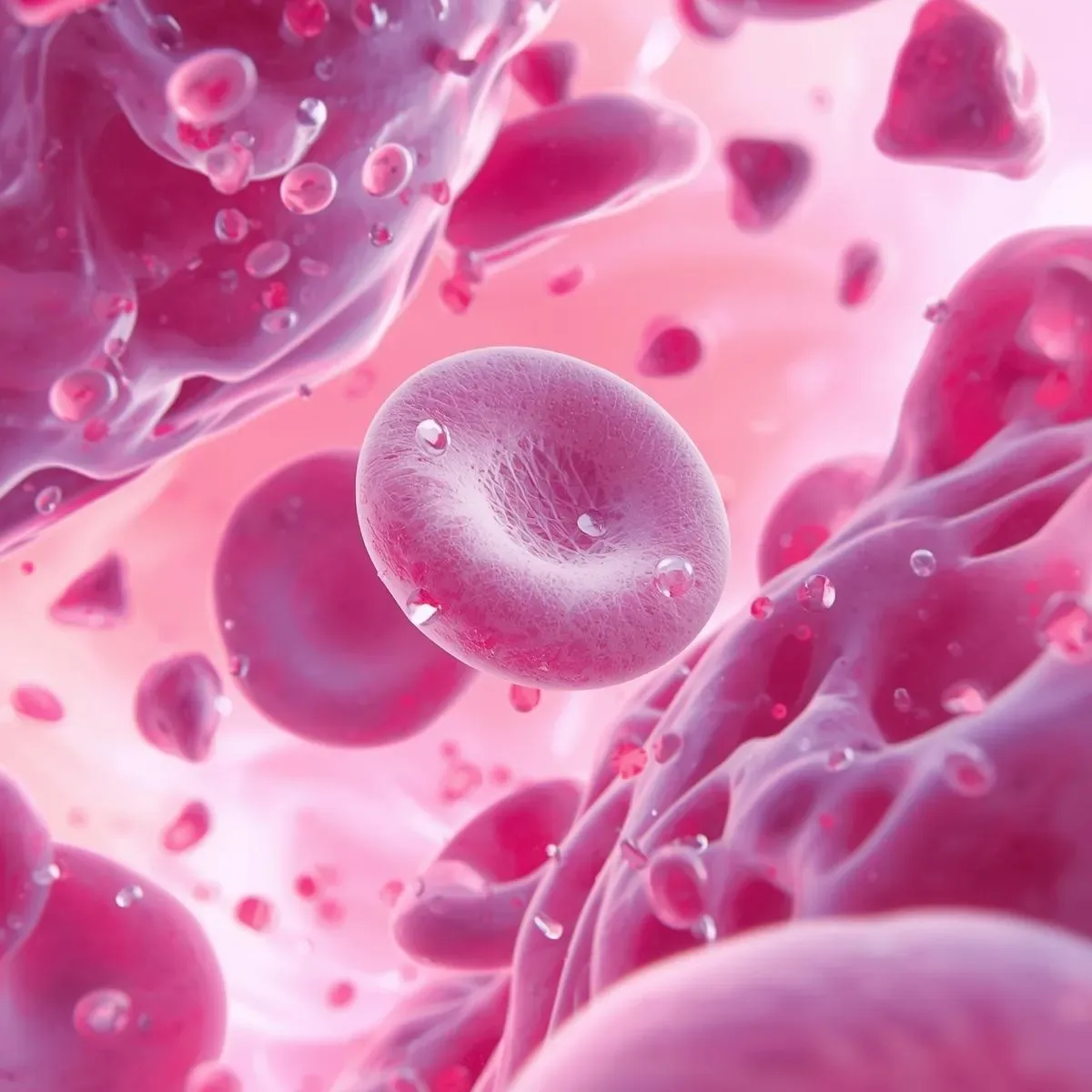
How to Build White Blood Cells for the Elderly
How to build white blood cells for the elderly, boost immunity to strengthen the body, and protect against illness from within. As we age, the body's immune system naturally declines as well, especially white blood cells, which act like key soldiers defending against disease. When white blood cell counts drop, elderly people become more prone to illness, catch infections more easily, heal from wounds more slowly, and it can sometimes affect the treatment of other chronic conditions such as diabetes, hypertension, or cancer. Many people therefore wonder how to build white blood cells for the elderly, especially during periods when the body is fatigued, eating little, or undergoing treatment. We'll explain this in simple terms, starting from the causes of declining white blood cells, ways to boost white blood cell production so it functions well again, and nutritional guidance from Royim Protein that helps the elderly build stronger immunity safely every day.
Getting to know white blood cells better White blood cells (WBC) are blood cells whose main functions are to
- fight germs and viruses
- eliminate foreign substances in the body
- control inflammation
- stimulate tissue repair
White blood cells are produced in the bone marrow and require a full range of nutrients, such as protein, iron, zinc, and B vitamins, for efficient production of new cells.
Why do the elderly have lower white blood cell counts Entering older age brings many changes to the body that directly affect the immune system, including
- The bone marrow works more slowly. The bone marrow is the factory that produces blood cells. As we age, its efficiency in producing white blood cells naturally declines.
- The digestive system deteriorates. The intestines absorb nutrients less effectively, resulting in insufficient protein and vitamins for blood cell production.
- Having underlying conditions such as diabetes, hypertension, or heart disease. These conditions often weaken the body and slow down immune system function.
- Taking multiple medications. Certain drugs, such as steroids or immunosuppressants, directly reduce white blood cell counts.
- Incomplete nutrition. Some elderly people eat very little or repeatedly choose the same foods, leading to a lack of essential protein, vitamins, and minerals.
Warning signs of low white blood cells If white blood cell counts drop too low, the body may begin to show warning signs, such as
- frequent colds or sore throats
- recurring low-grade fever
- slower-than-normal wound healing
- getting tired easily, lack of energy
- mouth ulcers or sores in the mouth
- frequent skin infections or urinary tract infections
If these symptoms persist, you should see a doctor promptly for a blood test, as they may be a sign that the body has low white blood cell counts.
How to build white blood cells for the elderly Although an elderly person's body cannot produce white blood cells as quickly as a younger person's, production can still be stimulated through proper self-care.
1. Eat enough protein Protein is the essential raw material for building white blood cells. Without enough protein, the bone marrow cannot produce sufficient blood cells.
Foods that provide high-quality protein include
- chicken, fish, eggs
- soybeans, tofu
- milk and yogurt
- specially formulated protein drinks for the elderly or patients
For elderly people who eat little or have difficulty digesting food, it may help to supplement with a specially formulated protein that is easy to digest and gentle on the digestive system, such as cancer patient protein from Royim Protein
2. Supplement with vitamins and minerals that help build white blood cells Certain nutrients play a direct role in the production and function of white blood cells.
3. Drink enough water Water is a primary component of blood. Dehydration thickens the blood, slows circulation, and may affect the transport of nutrients to the bone marrow. You should drink at least 6–8 glasses of clean water per day (or more if there are no medical restrictions).
4. Engage in light exercise Elderly people don't need to exert themselves strenuously, but should move their body for at least 20–30 minutes a day, such as slow walking, stretching, or gentle yoga. Movement helps stimulate blood circulation and increases bone marrow function, which benefits white blood cell production.
5. Get enough rest During sleep, the body releases hormones that help repair cells and produce new blood cells. Elderly people should sleep at least 6–8 hours per night so the immune system can function at full efficiency.
6. Avoid things that damage white blood cells Certain everyday behaviors can unknowingly damage white blood cells, such as
- smoking or being near secondhand smoke
- drinking alcohol regularly
- eating too much processed food
- accumulated stress
Reducing or eliminating these factors will help the immune system recover its strength more quickly.
Cancer patient protein from Royim Protein A helper for building white blood cells in the elderly. Many elderly people struggle with eating too little or having difficulty digesting food, resulting in incomplete nutrition, especially protein, which is the key to building white blood cells. To address this, Royim Protein has developed a cancer patient protein that can be used by all elderly people, especially those who want to boost their immunity and build white blood cells
Key features of Royim Protein
- High-quality protein from plants and milk, easy to absorb and gentle on the stomach, suitable for elderly people whose digestive systems have slowed down
- Contains a complete set of essential amino acids that help stimulate white blood cell production and repair worn tissue
- Enriched with vitamins and minerals that support blood cell production, such as vitamin B12, iron, and folate
- Helps increase energy and reduce fatigue. Protein helps strengthen muscles and reduce tiredness in the elderly
How to take it
- Mix 1 scoop of protein powder in 200 ml of room-temperature water
- Stir until dissolved, drink after breakfast or before bed
- For those who eat very little, it can be used to replace a small meal, such as drinking it between meals or before bed
Drink 1–2 times per day regularly, so the body continuously receives protein and white blood cell production is fully stimulated.
Benefits the elderly will receive from Royim Protein
- stimulates white blood cell production back to normal levels
- reduces fatigue caused by low immunity
- helps prevent infections and strengthens the body
- helps wounds heal faster
- increases freshness and overall quality of life
Additional tips for caring for the immune system of the elderly
- Get an annual health check-up to monitor blood cell levels and essential nutrients
- Get vaccinated as recommended by your doctor, such as the flu vaccine or pneumonia vaccine
- Eat a varied diet, focusing on protein, vegetables, fruits, and whole grains
- Manage your mind to stay relaxed, as stress directly affects the immune system
- Get enough rest and deep sleep to help the body produce new cells effectively
White blood cells are the key to the health of the elderly. White blood cells not only help prevent infection, but also reflect the body's strength from within. As we age, taking care of ourselves with proper diet, sufficient rest, and quality protein supplementation will help keep white blood cells strong and better prepared to fight disease. In every step of recovery, Royim Protein stands by your side. Our specially formulated protein shake is designed to boost energy, restore muscle, and help strengthen the body, filling every day of yours with the power to fight. Choose Royim Protein, the right helper, for your good health today