
Blogs
Modern Cancer Treatment: How to Combine Chemotherapy, Anti-Cancer Drugs, and Nutrition for the Best Results
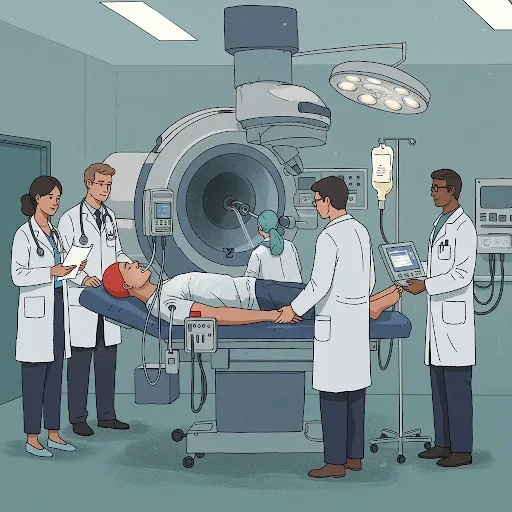
Modern Cancer Treatment: How to Combine Chemotherapy, Anti-Cancer Drugs, and Nutrition for the Best Results
Modern Cancer Treatment: How to Combine Chemotherapy, Anti-Cancer Drugs, and Nutrition for the Best Results. Cancer is one of the most serious diseases affecting lives around the world. In the past, cancer treatment often relied solely on chemotherapy or surgery, but today a combined, integrated approach has become the new standard — bringing together chemotherapy, anti-cancer drugs, and systematic nutritional care to help improve treatment effectiveness, reduce side effects, and support the body's recovery. Let's walk through this holistic approach together, with a particular focus on the often-overlooked role of nutrition and protein shakes.
Modern Cancer Treatment An Integrated Approach. Cancer treatment today no longer relies on just one method — it combines several approaches, including
- Chemotherapy uses drugs to destroy cancer cells in the body. These drugs may be given intravenously or taken orally. Common side effects include nausea, hair loss, reduced immunity, and fatigue.
- Use of cancer cell-destroying drugs The primary goal of chemotherapy is to use medication to eliminate or control the growth of cancer cells in the body.
- Methods of administration There are two main routes for administering chemotherapy: intravenous infusion, which is the most common method, and oral medication in tablet or capsule form, used for certain types of drugs.
Anti-Cancer Drugs (Targeted Therapy / Immunotherapy / Anti-Cancer Drugs) There are several types of drugs, such as those that target cancer cells specifically without harming normal cells, and immunotherapy drugs that help stimulate the body's immune system to fight cancer more effectively — which can help reduce severe side effects compared to chemotherapy in some cases.
- Targeted Therapy A key feature of drugs in this group is that they target specific molecules or processes involved in the growth and spread of cancer cells, aiming to reduce the impact on the body's normal cells — which may result in less severe side effects than chemotherapy in some cases.
- Immunotherapy Drugs in this group work by stimulating the body's immune system to more effectively recognize and destroy cancer cells. Immunotherapy is considered a major breakthrough in the treatment of certain cancers, and may have side effects that differ from those of chemotherapy.
- Differences from chemotherapy Drugs in the Targeted Therapy and Immunotherapy groups tend to have less severe side effects than chemotherapy in some cases, due to their more specific mechanisms of action. However, these drugs may still cause varying side effects depending on the type of drug and the individual patient.
Nutritional Care Getting the right nutrients helps boost immunity, reduce drug side effects, and support the body's cell recovery — especially protein, an essential nutrient for repairing muscle, building energy, and helping the body cope better with the treatment process.
Boosting immunity Getting complete and balanced nutrition plays an important role in strengthening the body's immune system, which helps reduce the risk of infections that may occur during treatment.
- Reducing drug side effects Good nutritional status can help the body better tolerate the side effects of anti-cancer drugs, and may help reduce the severity of certain side effects such as nausea and fatigue.
- Supporting cell recovery Various nutrients are essential for repairing and building new cells in the body. Getting adequate nutrition helps support the recovery process for cells that may have been damaged by treatment.
- The importance of protein Protein plays a key role in repairing muscle that may have been lost, building the body's energy, and helping the body be ready to cope with a treatment process that may be long and challenging.
Nutrition for Cancer Patients A Pillar That Should Not Be Overlooked. Proper nutrition directly affects the treatment and recovery of cancer patients, and should focus on
- Soft, easy-to-digest, and highly nutritious foods Choosing foods that are soft, easy to swallow, and non-irritating to the digestive tract — such as vegetable soup, brown rice porridge, steamed egg, baked fish, or fruits that are not too sweet — helps patients eat more easily while still getting the nutrients they need.
- Increasing energy and protein at each meal Prioritizing sufficient energy and protein intake at every meal is important for preventing malnutrition and muscle mass loss, which can be a problem arising from the side effects of treatment.
- Drinking enough water Drinking an adequate amount of water is extremely important in helping the body flush out toxins, and can also help reduce nausea and vomiting that may occur from treatment.
Protein Shakes: An Overlooked Aid for Recovery Protein shakes are nutritional supplement drinks with high protein content in an easily absorbed form, suitable for patients who have difficulty chewing or cannot eat complete meals. They offer several benefits
- Building muscle and energy These treatments often lead to loss of muscle and energy. Drinking protein shakes is therefore an effective way to supplement the protein needed to repair muscle, and helps replenish the body's energy so it can better cope with the side effects of treatment.
- Reducing the risk of malnutrition Loss of appetite or digestive problems are common in cancer patients. Using protein shakes as a convenient and easy-to-digest option helps ensure the body continues to receive sufficient key nutrients, especially during periods when patients cannot eat normally.
- Specially formulated for patients Advances in developing protein shakes with formulas specifically designed for cancer patients — which not only contain high-quality protein, but are also fortified with vitamins, minerals, and probiotics that help support the immune system and digestive system, which are often affected by treatment.
Types of Protein Shakes Suitable for Cancer Patients
- Whey Protein The benefits of whey protein, which is derived from milk, include a complete profile of essential amino acids, and the body can absorb it quickly — making it useful for building muscle and supporting the immune system. Suitable for patients who have no trouble digesting dairy products.
- Plant-Based Protein A suitable option for patients who are allergic to cow's milk or who choose a vegetarian diet, with popular plant-based protein sources including soybeans, peas, oats, or brown rice — each with different properties and amino acid content. Combining several types of plant protein may help provide a more complete amino acid profile.
- Special Medical Formula Protein Some protein shake brands have developed formulas specifically for cancer patients, which typically take into account higher energy needs, potentially reduced digestive capacity, blood sugar control, and full supplementation of other necessary nutrients. These products are often recommended by doctors or nutritionists.
Using Protein Shakes for Maximum Benefit
- During times when main meals cannot be eaten After chemotherapy treatment, patients may experience nausea, loss of appetite, or fatigue, making it difficult to eat main meals normally. Protein shakes are a convenient and easy-to-digest option to replace or supplement nutrition during this time.
- As a snack between meals Drinking a protein shake as a snack between meals can help increase energy and nutrients without causing excessive fullness or bloating, which is beneficial for those who can only eat small amounts.
- Consult a specialist before starting The importance of consulting a nutritionist or doctor before starting to use protein shakes, in order to receive a proper assessment of nutritional status and individual needs, and to choose a product that is safe and provides maximum benefit.
Consuming protein shakes at the right time and under expert guidance will help cancer patients receive the necessary nutrients, support the body's recovery, and manage the side effects of treatment effectively.
Integration That Enhances Treatment Outcomes. Modern cancer treatment is no longer limited to medication alone, but requires chemotherapy, anti-cancer drugs, and proper nutrition to work together. In particular, proper nutritional care and appropriate protein shake supplementation can help patients recover faster, reduce side effects, and enjoy a better quality of life during treatment. With comprehensive care, cancer patients can live with quality, while increasing their chances of recovery and long-term good health. At every step of your recovery, Royim Protein is here to stand by your side. Our specially formulated protein shakes are designed to build energy, restore muscle, and help strengthen your body — filling every day with the strength to keep fighting. Choose Royim Protein, the right partner for your good health today.