
Blogs
White Blood Cell Count Below Normal: Why Chemotherapy Can't Proceed and the Infection Risk
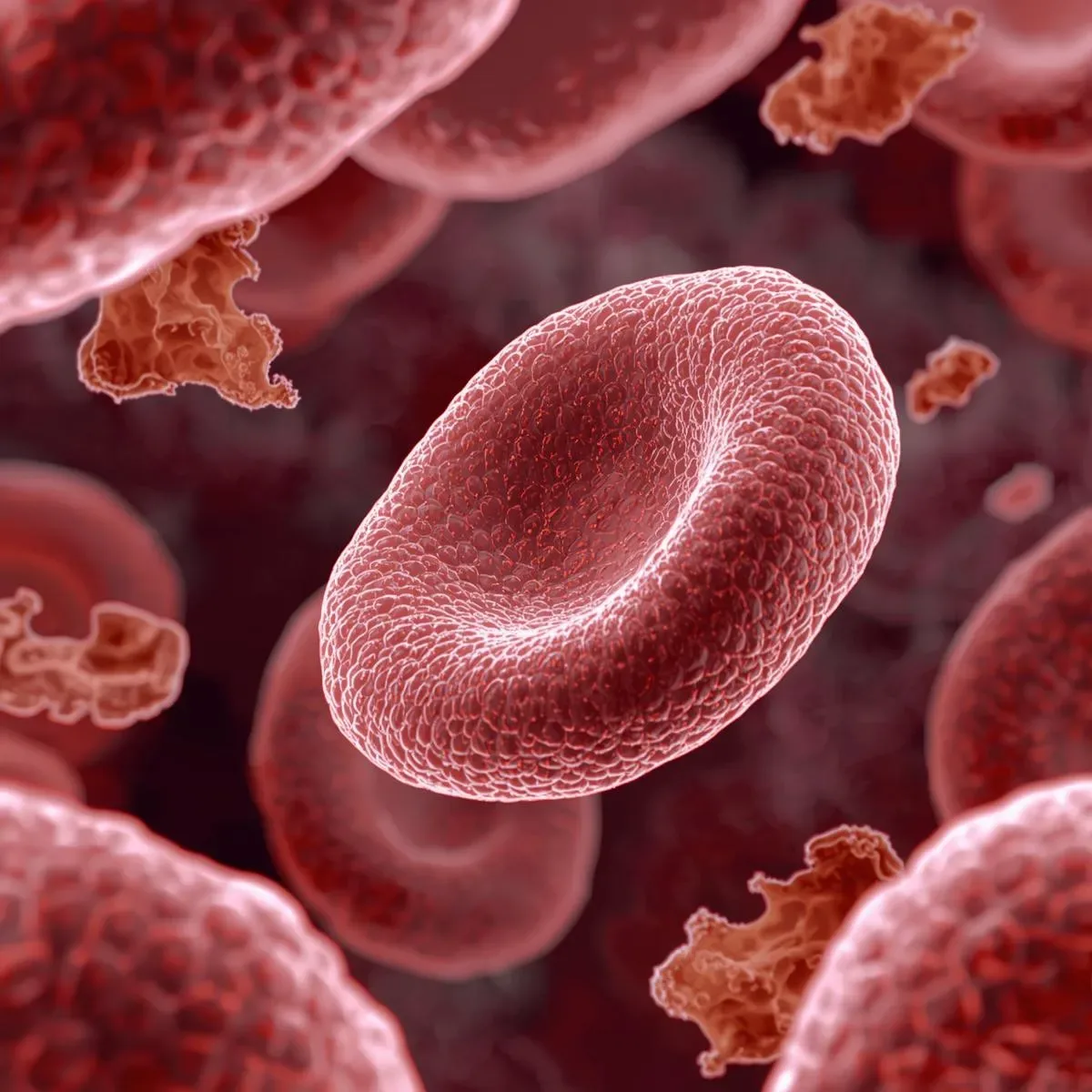
White Blood Cell Count Below Normal: Why Chemotherapy Can't Proceed and the Infection Risk
White blood cell count below normal: why can't chemotherapy proceed, and how does it raise infection risk? Chemotherapy is effective at eliminating or controlling cancer cells, but it also affects the Bone Marrow, the body's key blood-producing organ — especially White Blood Cells (WBCs), which play a vital role in immunity. When a patient's white blood cell count falls below the standard threshold, doctors often need to temporarily postpone chemotherapy to prevent the risk of severe infection, which can be life-threatening.
What are white blood cells, and what do they do? White blood cells are part of the immune system, responsible for defending against and eliminating pathogens, foreign substances, and abnormal cells in the body.
The main types of white blood cells include
- Neutrophils → eliminate bacteria and fungi
- Lymphocytes → produce antibodies and regulate immunity
- Monocytes → clear pathogens and cellular debris
- Eosinophils → eliminate parasites and are involved in allergic responses
- Basophils → release substances involved in inflammation
White blood cell values to watch
- Normal range: 4,000 – 10,000 cells/microliter of blood
- Below 4,000 → called Leukopenia (low white blood cell count)
- Below 1,000 → severely weakened immunity, high risk of serious infection
The value doctors focus on most is the Absolute Neutrophil Count (ANC)
- Normal: greater than 1,500
- 1,000 – 1,500 → risk beginning to rise
- 500 – 1,000 → high infection risk
- Below 500 → dangerous condition, extreme caution needed for severe infection
Why can't chemotherapy proceed when white blood cell count is low?
- Chemotherapy suppresses the bone marrow, so the body cannot produce new white blood cells fast enough
- Immunity collapses — if chemotherapy is forced through while white blood cells are low, the body has almost no defense against pathogens
- High risk of severe infection — infection can occur easily even from organisms that are normally harmless, such as those in the mouth or intestines
- Treatment delays — a severe infection may require hospitalization, antibiotics, or cancellation of chemotherapy, disrupting the overall cancer treatment plan
Symptoms indicating a low white blood cell count
- Fever above 38°C
- Chills, unusually heavy sweating
- Sore throat, coughing, phlegm
- Mouth sores, red and swollen gums
- Painful or burning urination
- Unusual fatigue
- Red, swollen skin, or infected wounds
Patients undergoing chemotherapy should see a doctor immediately if any of these symptoms occur.
Infection risks when white blood cell count is low
- Respiratory infections, such as pneumonia or bronchitis
- Urinary tract infections
- Bloodstream infection (Sepsis) → life-threatening
- Digestive system infection → severe diarrhea
- Opportunistic fungal and viral infections that normally do not cause disease, but occur easily in immunocompromised patients
Approaches to caring for and restoring white blood cells
1. Medical treatment
- Postpone chemotherapy until the white blood cell count recovers
- Administer bone-marrow stimulating medication (G-CSF, Granulocyte Colony-Stimulating Factor)
- Use prophylactic antibiotics if the risk is high
- Closely monitor for signs of infection
2. Self-care to reduce infection risk
- Wash hands frequently with soap or alcohol gel
- Avoid close contact with sick people or crowded places
- Wear a face mask in public areas
- Eat thoroughly cooked, clean food and avoid raw food
- Maintain good oral hygiene
- Take care of the skin to prevent wounds
- Get adequate rest
3. Nutrition to support immunity
- High-quality protein — fish, chicken, egg whites, tofu
- Vitamin C — guava, orange, kiwi → stimulates white blood cells
- Vitamin D — salmon, egg yolk → supports immunity
- Zinc — lean meat, pumpkin seeds → supports white blood cell production
- Omega-3 from fish or flaxseed → reduces inflammation
- Prebiotics and probiotics — support gut health, which is linked to immunity
Roy-im Protein shake: an important alternative aid during periods of low white blood cell count Cancer patients often struggle to eat enough, experiencing loss of appetite and nausea from chemotherapy, which leads to malnutrition — especially a lack of Protein, essential for building blood cells and immunity.
Roy-im Protein shake is therefore a suitable aid because it
- Is easy to digest and quickly absorbed, even during loss of appetite
- Contains essential amino acids that help build blood cells
- Can be supplemented with vitamins and minerals such as vitamin C, vitamin D, zinc, and B-complex
- Reduces the risk of muscle wasting
- Restores energy and immunity
Nutritional support from Royim Protein a product designed for cancer patients and those with nutritional challenges
- Easy-to-digest protein, suitable for chemotherapy patients
- Supplemented with BCAAs to prevent muscle mass loss
- Rich in vitamins and minerals that support immunity, such as vitamin C, vitamin D, zinc, and folate
- Low-sugar formula that doesn't burden the body
How to consume
- 1–2 glasses per day
- Mix with cold or room-temperature water
- Recommended timing: 1 glass in the morning → to boost energy and protein to start the day; 1 glass before bed → to repair the body and support immunity during sleep
A low white blood cell count is a dangerous condition for cancer patients undergoing chemotherapy, as it puts the body at risk of severe infection, even from organisms that are not dangerous to a healthy person. Doctors must therefore postpone treatment for safety. At every step of your recovery, Royim Protein is here to stand by your side. Our specially formulated protein shake is designed to build energy, restore muscle, and help strengthen your body, filling every day with the strength to keep fighting. Choose Royim Protein, the right support for your good health today.