
Blogs
Immunotherapy and Cancer Treatment: A New Alternative That Helps the Body Fight Disease Better
Immunotherapy and Cancer Treatment: A New Alternative That Helps the Body Fight Disease Better
Immunotherapy and cancer treatment: a new alternative that helps the body fight disease better. Immunotherapy is one of the most exciting medical advances today, especially in the treatment of cancer. This treatment approach differs from traditional treatments such as chemotherapy or radiotherapy in that it does not aim to destroy cancer cells directly, but instead strengthens and stimulates the body's immune system so it can recognize and destroy cancer cells on its own. We will take you on an in-depth journey into immunotherapy, from its working principles and types of treatment to possible side effects, as well as the hope and limitations of this technology, so you can understand this new treatment option that may be a ray of hope for patients and their families.
What is immunotherapy and how does it work? Immunotherapy is a cancer treatment method that helps strengthen or stimulate the body's immune system so it can identify and destroy cancer cells more effectively. Unlike traditional treatments that focus on directly eliminating cancer cells, immunotherapy allows the body to use its natural mechanisms to fight the disease.
Types of immunotherapy
- Immune Checkpoint Inhibitors: Some cancers can block the function of immune cells, preventing the immune system from eliminating cancer cells. This type of immunotherapy helps inhibit that blockage, allowing the immune system to attack cancer cells more effectively. Examples of drugs in this group include Pembrolizumab, Nivolumab, and Atezolizumab, used to treat many types of cancer such as lung cancer, melanoma skin cancer, and kidney cancer.
- T-cell Therapy (CAR T-cell Therapy): This involves removing a patient's T-cells (a type of white blood cell), genetically modifying them to enhance their ability to destroy cancer cells, then reintroducing them into the body. The genetically modified T-cells can precisely recognize and destroy cancer cells. It is used to treat certain types of blood cancer, such as B-cell lymphoma and acute lymphoblastic leukemia.
- Cancer Vaccines: Vaccines that stimulate the body to build immunity to fight cancer cells. Examples include the HPV vaccine for preventing cervical cancer and the HBV vaccine for preventing liver cancer. Some cancer vaccines are used to prevent cancer from occurring, while others are used to treat cancer.
- Monoclonal Antibodies: These are synthetic antibodies that help specifically identify and destroy cancer cells. These antibodies bind to proteins on the surface of cancer cells and stimulate the immune system to destroy them. Examples of drugs in this group include Rituximab and Trastuzumab, used to treat many types of cancer such as lymphoma and breast cancer.
- Cytokine Therapy: This uses immune proteins such as interleukins and interferons to stimulate and strengthen the immune system. Cytokines are proteins that immune cells use to communicate with each other. Using cytokines can stimulate immune cell function to work more effectively. It is used to treat certain cancers, such as kidney cancer and melanoma skin cancer.
Comparison with traditional treatments such as chemotherapy and radiotherapy
Chemotherapy: This uses chemical drugs to destroy cancer cells or stop their growth. The chemotherapy drugs travel throughout the body via the bloodstream. Common side effects include nausea, vomiting, hair loss, weakened immunity, and fatigue. It affects normal cells in the body, causing severe side effects. Chemotherapy can be used as the primary treatment or combined with other treatments such as surgery or radiotherapy.
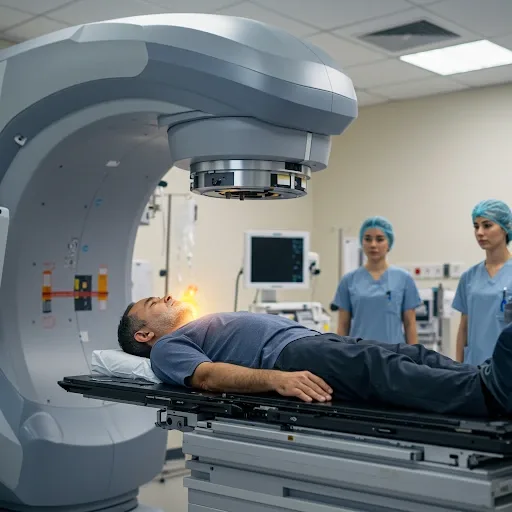
Radiotherapy: This uses radiation energy to destroy cancer cells or inhibit tumor growth. Side effects may include skin irritation, fatigue, and inflammation of the organs receiving radiation. Radiotherapy can be used as the primary treatment or combined with other treatments such as surgery or chemotherapy.
Immunotherapy: This helps stimulate the body's immune system to eliminate cancer cells on its own. Side effects are fewer than with chemotherapy and radiotherapy, but some patients may experience allergic reactions or organ inflammation. It is suitable for certain cancers, such as lung cancer, skin cancer, kidney cancer, and leukemia. Immunotherapy comes in several types, such as
- Immune checkpoint inhibitor drugs (Immune checkpoint inhibitors)
- T-cell therapy (T-cell therapy)
- Cancer vaccines (Cancer vaccines)
- Monoclonal antibodies (Monoclonal antibodies)
Additional information
- Each cancer treatment method has different advantages and disadvantages. The choice of treatment depends on the type of cancer, the stage of the disease, and the physical condition of each patient.
- Oncology specialists will consider and plan the most appropriate treatment for each patient.
- Targeted Therapy is another method used to treat cancer, using drugs that act specifically on cancer cells only.
The role of protein shakes in helping to strengthen immunity and reduce side effects: Cancer patients often experience malnutrition from the side effects of treatment, such as loss of appetite, weight loss, and fatigue. Protein shakes can help strengthen immunity and reduce side effects by
- Helping to build muscle and restore the body: Protein is a key nutrient necessary for repairing and building new cells, especially muscle that may be lost due to treatment. Whey protein is an easily digestible, quickly absorbed source of protein, suitable for patients who need energy and protein quickly.
- Helping to strengthen immunity: Protein helps build immune cells, such as white blood cells and antibodies, which are important for fighting infection. Plant-based proteins, such as soy protein and rice protein, contain essential amino acids that help strengthen the immune system.
- Helping to reduce side effects from treatment: Chemotherapy and radiotherapy can cause inflammation of the digestive system. Protein shakes containing collagen or hydrolyzed protein can help relieve these symptoms. Proteins containing antioxidants, such as vitamin C and E, help reduce cell damage from treatment.
- Helping to increase energy and reduce fatigue: Protein shakes containing healthy fats, such as MCT Oil (Medium Chain Triglycerides), can provide quick energy and help reduce fatigue. Protein enriched with fiber helps the digestive system work better and reduces constipation caused by medication side effects.
- Helping to maintain a healthy body weight: Some cancer patients may experience rapid weight loss due to treatment. Drinking protein shakes along with a balanced diet helps ensure adequate energy and nutrients.
Immunotherapy is a new treatment option that helps the body fight cancer using its own immune system, differing from chemotherapy and radiotherapy, which have higher side effects. In addition, protein shake supplementation also plays an important role in helping restore the body, reduce side effects, and strengthen immunity for cancer patients. Choosing the right protein can help patients cope better with treatment and enjoy a better quality of life in the long run. Every step of your recovery, Royim protein is by your side. Our specially formulated protein shakes are designed to boost energy, restore muscle, and help strengthen your body, filling every day with the strength to keep fighting. Choose Royim protein, the right partner for your good health today.