
Blogs
Does Protein Deficiency Really Slow Down Blood Cell Production?
Does Protein Deficiency Really Slow Down Blood Cell Production?
Does protein deficiency really slow down blood cell production? Let's answer this important question for cancer patients whose blood counts recover slowly. Cancer patients undergoing chemotherapy usually need a blood test before each treatment round. If the blood counts don't pass, doctors may need to postpone treatment, which causes a lot of worry, especially when blood counts recover more slowly than expected. A common question is: does protein deficiency really slow down blood cell production? The answer is yes, and it's very closely related, because protein is the main raw material for building every type of cell in the body, including red blood cells, white blood cells, and platelets. If the body doesn't get enough protein, blood cell production slows down, causing blood counts to fail to recover in time for the next chemotherapy round. We'll explain in detail and in simple terms how protein affects blood production, why cancer patients become protein deficient so easily, and how to take care of yourself to help blood counts recover better.
How are blood cells made? All blood cells are made in the bone marrow, the soft tissue inside bones. The blood-cell production process requires
- Protein
- Iron
- Vitamin B12
- Folate
- Energy
Every step requires nutrients as raw material. If any one of these is missing, blood production will be incomplete.
How is protein related to blood cells?
- Blood cell structure: red and white blood cells are structurally made up mainly of protein, especially hemoglobin in red blood cells, which requires amino acids from protein to build.
- Cell division: bone marrow must divide rapidly to produce new blood cells. Cell division requires protein to build cell structures and various enzymes.
- Recovery after chemotherapy: chemotherapy drugs suppress the bone marrow, causing blood cell counts to drop. After treatment, the body must rush to produce new cells. Without enough protein, the recovery process slows down.
Signs of protein deficiency Cancer patients may be protein deficient without realizing it. Signs to watch for include
- Weight loss
- Muscle wasting
- Severe fatigue
- Slow wound healing
- Hair loss
- Frequently failing blood counts
Why cancer patients become protein deficient so easily
- Loss of appetite: chemotherapy changes taste perception, causing patients to eat less.
- Nausea and vomiting: cause the body to lose nutrients.
- High metabolic rate: cancer causes the body to use more energy and protein than normal.
- Abnormal absorption: the intestinal lining is affected by the drugs, so protein absorption is incomplete.
How does protein deficiency affect blood counts? When the body lacks protein
- Bone marrow produces blood cells more slowly
- Red blood cells decrease
- White blood cells recover more slowly
- Platelets increase more slowly
The result is blood counts that fail to pass before chemotherapy.
How does failure to recover blood counts affect the treatment plan?
- Chemotherapy must be postponed
- The dose may need to be reduced
- Treatment duration becomes longer
- Patients experience more stress
How much protein is enough? Cancer patients generally need more protein than the general population, on average about 1.2–1.5 grams per kilogram of body weight per day, depending on the doctor's recommendation.
Good sources of protein
- Eggs
- Fish
- Chicken
- Milk
- Tofu
- Beans
However, for patients who can only eat small amounts, supplementing with a protein drink may be necessary.
How does protein supplementation help? Protein supplements help
- Ensure you get the full amount of protein you need
- Reduce the burden of chewing and digestion
- Are easy to absorb
- Help preserve muscle mass
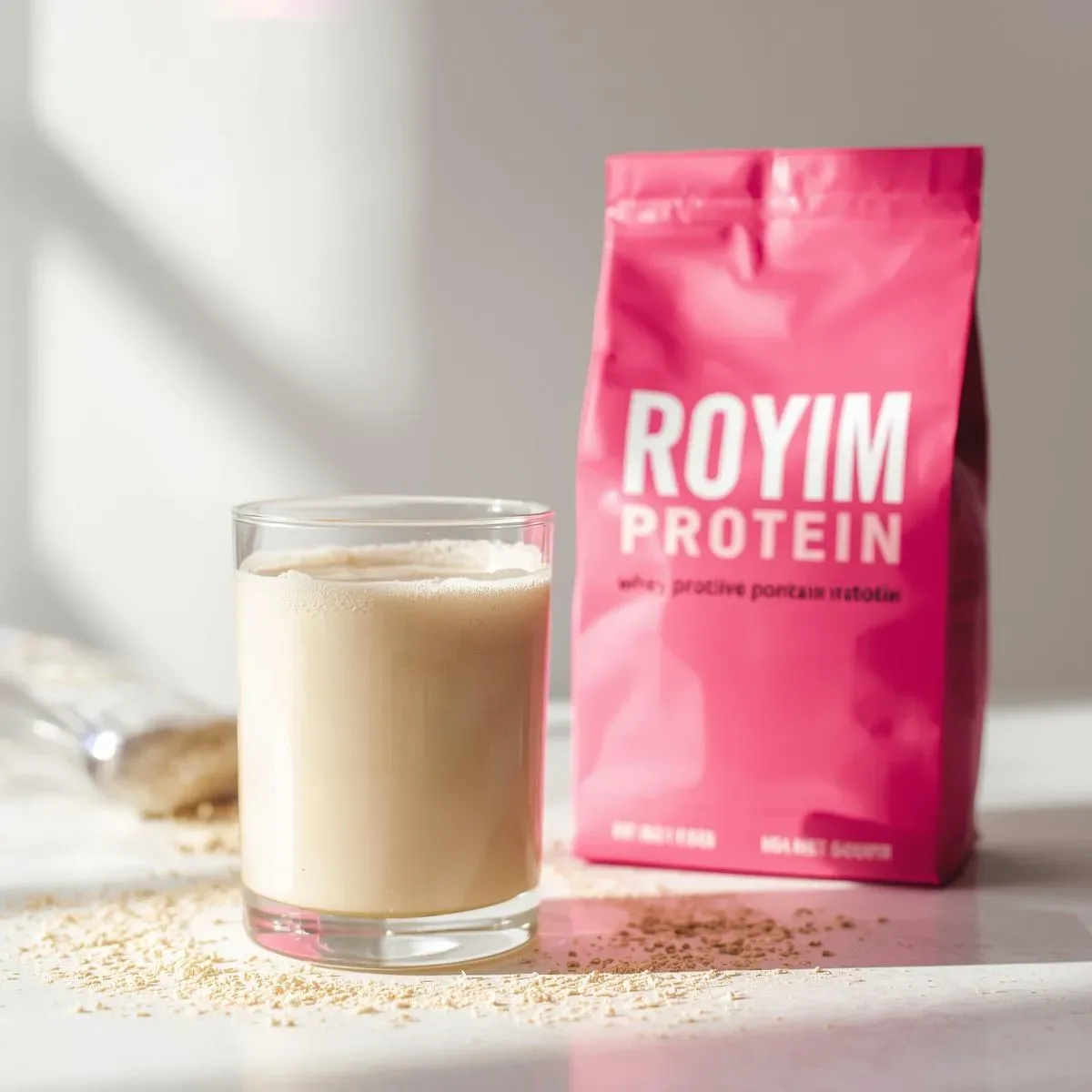
Protein for cancer patients from Royim Protein A protein supplement that supports blood cell production, designed for patients who need to recover their bodies during treatment.
Benefits
- High-quality protein that serves as a raw material for blood cell production
- Supports bone marrow recovery, helping blood counts recover faster
- Reduces muscle breakdown, helping maintain the body's strength
- Boosts energy and reduces fatigue
How to drink it
- 1–2 glasses per day
- After meals or before bed
- Mix with 1 glass of warm water
Tips for patients with loss of appetite
- Split into half a glass in the morning and half in the evening
- Blend with banana or oatmeal
- Drink in place of a snack
Who is this suitable for?
- Patients whose blood counts frequently fail
- Patients experiencing weight loss
- Patients experiencing muscle loss
- Patients recovering slowly
Self-care to do alongside this To improve blood cell production, you should also
- Get enough rest
- Drink enough water
- Avoid infection
- Eat a full, balanced diet
What happens when the body gets enough protein?
- Blood cells recover faster
- It becomes easier to pass blood count requirements for chemotherapy
- Less fatigue
- Stronger muscles
Protein deficiency has a direct effect on blood cell production, because protein is the main raw material for building new cells, including red blood cells, white blood cells, and platelets. If intake is insufficient, the bone marrow works more slowly, causing blood counts to fail to recover in time before chemotherapy. Cancer patients are at high risk of protein deficiency due to loss of appetite, nausea, and increased metabolism. Therefore, appropriate protein supplementation is important. Protein for cancer patients from Royim Protein is another option that helps provide high-quality protein, supports blood cell production, reduces muscle breakdown, and increases the body's readiness before each chemotherapy round. When the body receives enough protein, blood cell production becomes more efficient, helping blood counts recover well and allowing treatment to proceed smoothly and steadily. In every step of recovery, Royim Protein is here to stand by your side. Our specially formulated protein shake is designed to boost energy, restore muscle, and help your body grow stronger, filling every day with the strength to keep fighting. Choose Royim Protein, the right partner for your good health today.