
Blogs
Know the Signs: Silent Symptoms of Cancer You Shouldn't Ignore Before It's Too Late
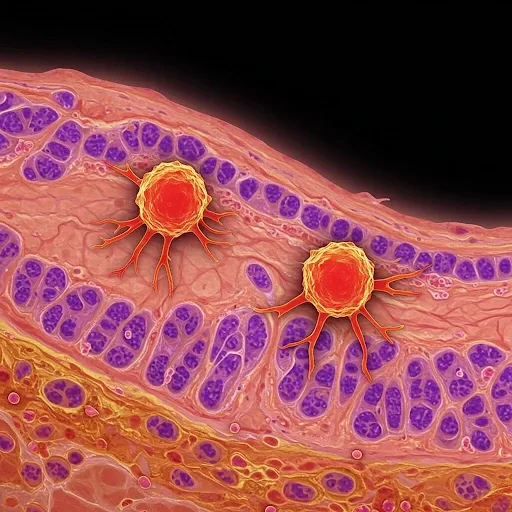
Know the Signs: Silent Symptoms of Cancer You Shouldn't Ignore Before It's Too Late
Know the signs: silent symptoms of cancer you shouldn't ignore before it's too late. Cancer is one of the world's leading causes of death, especially when it is not diagnosed and treated in its early stages. Early-stage cancer symptoms are often unclear or resemble those of common illnesses, causing many people to overlook them and miss timely diagnosis. Recognizing the warning signs of cancer and taking care of your health with proper nutrition are therefore essential to preventing and slowing the progression of the disease.
Warning signs of cancer to watch for Noticing early-stage cancer symptoms can help ensure timely diagnosis and treatment. Warning signs to watch for include
- Changes in bowel or bladder habits such as chronic constipation or diarrhea, or blood in the stool or urine
- A sore that does not heal A wound that has not healed within 2 weeks should be examined
- Unusual bleeding such as bleeding between menstrual periods or after menopause
- An unusual lump or swelling such as a lump in the breast or elsewhere on the body
- Difficulty swallowing or indigestion which may be a sign of esophageal or stomach cancer
- Changes in a mole or wart such as changes in size, color, or shape
- Chronic cough or hoarseness especially if accompanied by blood
If you experience at least one of these symptoms and it persists for more than 2 weeks, you should consult a doctor for an accurate diagnosis
Initial diagnosis of cancer Diagnosing cancer at an early stage can increase the chances of a full recovery. Initial diagnostic methods include
- Physical examination This is a very important first step. The doctor will conduct a thorough examination to feel for lumps, abnormalities in organs, or other signs that may indicate cancer. Taking a history of symptoms and family history is also part of the physical examination
- Blood tests Blood tests can help detect tumor markers, which are proteins or other substances produced by cancer cells or by the body in response to cancer. However, some tumor markers may also appear in non-cancerous conditions, so blood test results alone cannot confirm a cancer diagnosis, but they are useful for monitoring treatment results or investigating suspected recurrence
- Imaging tests Various imaging techniques such as X-rays, ultrasound, CT scans (computed tomography), or MRI (magnetic resonance imaging) allow doctors to see the internal structures of the body and detect abnormalities such as the size, shape, and location of a tumor, which is important information for diagnosis and treatment planning. The choice of imaging method depends on the type of cancer and the suspected area
- Biopsy A biopsy is considered the most accurate way to confirm a cancer diagnosis. The doctor collects a sample of the suspicious tissue (through surgery, endoscopy, or needle aspiration) and examines it under a microscope to determine whether cancer cells are present, as well as to identify the type and severity of the cancer
Regular screening, especially for high-risk groups such as those with a family history of cancer or risky behaviors, can help detect the disease at an early stage and allow treatment to begin promptly
Nutrition and slowing the progression of cancer Proper nutrition plays an important role in strengthening the immune system and slowing the progression of cancer. Eating a complete and adequate diet can help the body fight cancer cells more effectively
The importance of protein Protein is a key component of the body's cells and plays a role in repairing damaged tissue. Cancer patients often have higher protein needs than healthy people, because the body requires additional energy and nutrients to fight the disease. A protein deficiency can lead to cachexia, a condition in which the body severely loses muscle mass and fat
- Protein is a main component of cells Protein is one of the essential nutrients needed to build, repair, and maintain tissues and cells throughout the body, including muscles, skin, internal organs, and the immune system
- Its role in repairing damaged tissue In cancer patients, the body may experience wear and tissue damage from the illness itself or from treatments such as surgery, chemotherapy, or radiation therapy. Protein is an essential raw material the body uses to repair and build new tissue
- Higher protein needs in cancer patients Because a cancer patient's body faces stress from both the illness and treatment, and metabolism may be elevated, protein needs are usually higher than in healthy people, to support the functioning of various body systems, maintain and build muscle mass, and aid recovery
- Cachexia Cachexia is a serious condition commonly seen in many types of cancer patients. This condition involves severe loss of muscle mass and fat, resulting in a weakened body, lowered immunity, and a reduced response to treatment. Getting enough protein is essential to preventing or slowing the onset of this condition
The role of protein shakes Protein shakes are a convenient and easily digestible option for cancer patients, especially those who have difficulty eating or experience loss of appetite. Protein shakes can help patients get enough protein and energy without having to eat large amounts of food. In addition, protein shakes can help strengthen the immune system and support the body's recovery after treatment, such as chemotherapy
- Convenience and easy digestion Protein shakes are quick and easy to prepare, making them a great choice for patients who may feel fatigued or find it inconvenient to prepare complex meals. In addition, the liquid form makes it easier for the body to digest and absorb protein, which is especially beneficial for those with digestive or nutrient absorption problems
- Boosting protein and energy Cancer patients often have higher protein and energy needs to fight the disease and cope with treatment. Protein shakes are a concentrated source of protein and energy that can help patients get the nutrients they need without eating large amounts of food, which can be difficult for those with loss of appetite or who feel full quickly
- Strengthening the immune system Protein plays a key role in producing white blood cells and antibodies, which are important parts of the immune system. Getting enough protein from protein shakes can therefore help support and strengthen a patient's immune system, reducing the risk of infection
- Helping the body recover after treatment After treatment such as chemotherapy, the body needs protein to repair damaged cells and tissue. Protein shakes are a source of protein that is easy to consume and absorb, giving the body enough raw material for recovery
Recommendations for consuming protein shakes for cancer patients
- Choose high-quality protein Choosing a protein source with a complete set of essential amino acids is important to ensure the body gets the nutrients it needs to repair and build tissue. Whey protein isolate is a good choice because it is high quality and easy to digest. For those who are vegetarian or have limitations on consuming dairy products, a blend of plant-based proteins (to ensure complete amino acids) is also a suitable option
- Avoid sugar and additives Choosing a protein shake that is low in sugar or sugar-free helps control blood sugar levels, which is important for cancer patients. In addition, avoiding unnecessary additives such as artificial flavorings, artificial sweeteners, or preservatives helps reduce the risk of allergic reactions or irritation
- Consume in appropriate amounts Each patient's protein needs may vary depending on factors such as body weight, health condition, stage of disease, and treatment plan. Consulting a doctor or nutritionist will help determine the appropriate and safe amount of protein for each individual patient
- Mix with other foods Mixing protein shakes with fruit, whole grains, or vegetables not only enhances flavor and appeal but also adds nutritional value by providing additional vitamins, minerals, and dietary fiber, which benefits the patient's overall health
Recognizing the warning signs of cancer and taking care of your health with proper nutrition are essential to preventing and slowing the progression of the disease. Protein shakes are a great choice for strengthening the immune system and helping the body recover for cancer patients, especially after chemotherapy. Consulting a doctor or nutritionist to plan a proper diet will help patients enjoy a better quality of life and fight cancer more effectively. At every step of your recovery, Royim Protein stands by your side. Our specially formulated protein shake is designed to boost energy, restore muscle, and help your body grow stronger, filling every day with the strength to keep fighting. Choose Royim Protein, the right partner for your good health today