
Blogs
Low White Blood Cell Count and the Risk of Inflammation in the Body
Low White Blood Cell Count and the Risk of Inflammation in the Body
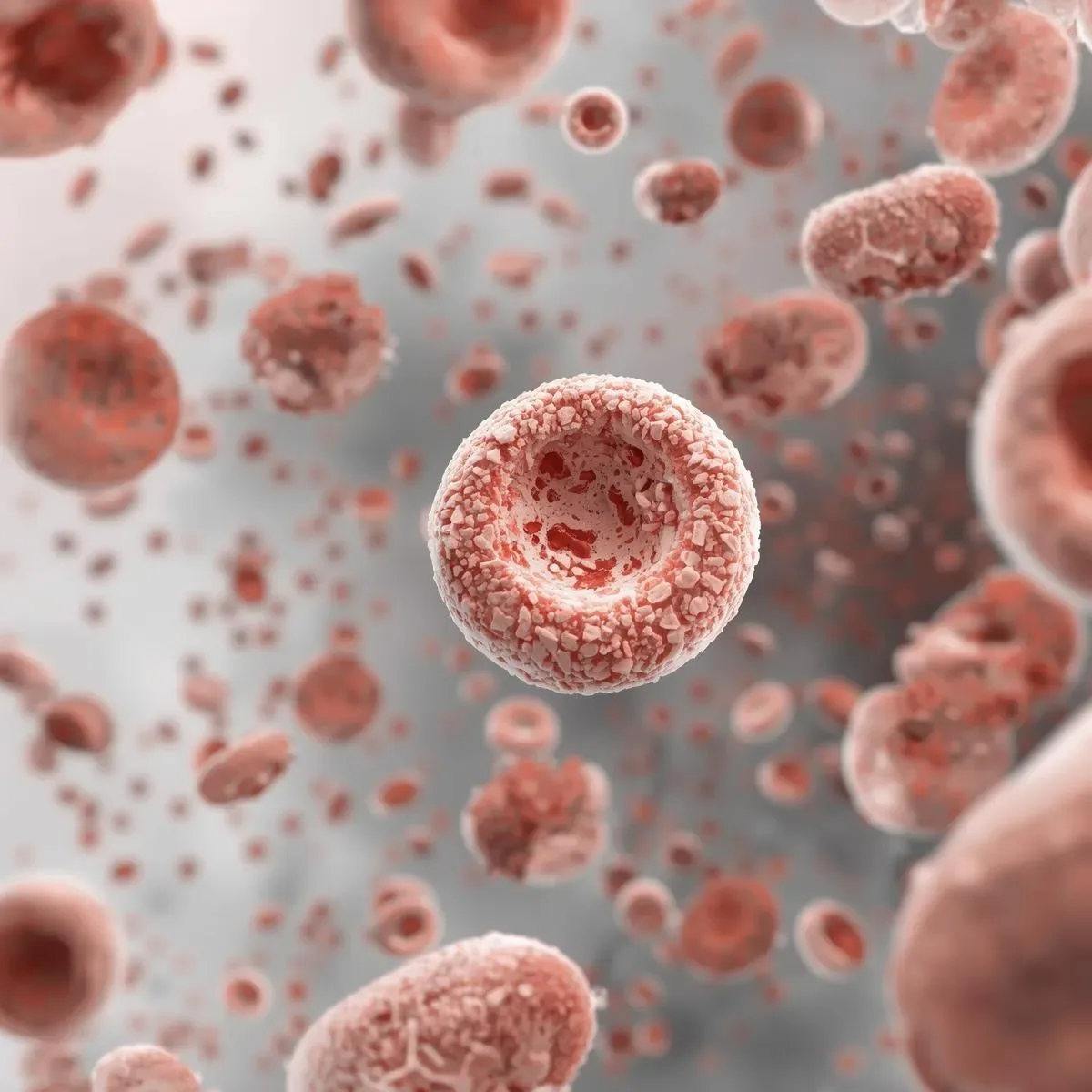
Low white blood cell count and the risk of inflammation in the body. Many people have heard the term "low white blood cell count" from their own blood test results, or from a doctor treating a cancer patient. But did you know this condition is more than just a number on a lab report? When white blood cells drop below normal, the body's entire immune system weakens immediately, turning small germs that the body could normally fight off into a silent threat that continuously sparks inflammation inside the body.
What are white blood cells? Why are they the heart of the immune system? White Blood Cells (WBC) are the body's standing soldiers, whose main job is to detect and destroy germs, foreign substances, and abnormal cells, such as cancer cells. The human body normally has about 4,000–10,000 cells per microliter of blood. If the count is lower than this, the body is in a state of low white blood cell count (Leukopenia). There are several types of white blood cells, each with a specific role, such as:
- Neutrophils, which protect against bacterial infection
- Lymphocytes, which build long-term immunity, such as producing antibodies
- Monocytes, Eosinophils, and Basophils, which handle specific types of foreign substances
When these white blood cells decrease, the body becomes like a city with no soldiers — no one to defend against germs and inflammatory triggers.
How does low white blood cell count affect the body? When the white blood cell count drops, the body faces several problems, such as:
- Getting infected more easily than usual — even a small scrape can become infected, because there are no white blood cells to help kill the germs
- Repeated inflammation in the body — inflammation is the mechanism the body uses to fight foreign substances, but when white blood cells are low, the inflammation cannot resolve completely, leading to Chronic Inflammation
- Slow wound healing or infected wounds — especially in cancer patients or elderly people, whose bodies recover more slowly than usual
- Fatigue, weakness, and lowered immunity — because the body has to use a lot of energy to defend against germs, but doesn't have enough white blood cells
The link between low white blood cell count and inflammation in the body Many people may wonder: if white blood cells are low, how can there be more inflammation? In reality, the two are closely related. Inflammation is the process by which the body responds when something abnormal enters it, such as germs, bacteria, or injury. Normally, white blood cells step in to control and limit inflammation, but when white blood cells decrease:
1. The body can no longer keep inflammation in balance
2. Inflammatory-triggering substances (Cytokines) are released in excess
3. This turns into Chronic Inflammation. This condition doesn't show symptoms right away, but gradually builds up in the body, such as:
- Chronic aches and pains
- Fatigue
- Bloating or abnormal bowel movements
- Frequent mouth ulcers
- Skin inflammation or easy allergic reactions
If chronic inflammation is left unchecked without sufficient white blood cells, in the long run it can become a risk factor for serious diseases, such as:
- Cardiovascular disease
- Diabetes
- Autoimmune diseases
- And it may also affect the progression of cancer cells
Causes of low white blood cell count There are many factors that cause white blood cells to drop, some of which can be prevented, such as:
- Cancer treatment with chemotherapy — chemo drugs destroy both cancer cells and normal cells in the bone marrow, which is where blood cells are produced
- Lack of essential nutrients, especially protein, vitamin B12, folate, iron, and zinc
- Chronic infections, such as tuberculosis, HIV, or certain viruses that reduce bone marrow function
- Chronic stress and insufficient sleep — the hormone cortisol directly suppresses white blood cell production
- Long-term use of certain medications, such as some antibiotics, immunosuppressants, or thyroid medications
Nutrition and white blood cell recovery — a factor many people overlook The body cannot produce white blood cells on its own without the essential raw materials from food. Therefore, eating a complete diet, especially protein, vitamin C, and various minerals, will help the bone marrow function again and produce white blood cells more effectively.
1. Protein — the main raw material for building blood cells All types of blood cells, including white blood cells, are made from amino acids derived from protein. If the body doesn't get enough protein, blood cell production slows down and immunity drops immediately.
Good quality protein sources include:
- Egg white
- Fish
- Soybeans, tofu
- Low-fat milk
- Or supplemental protein for patients that is easy to digest and safe
2. Vitamin C, vitamin B, and zinc These vitamins play a role in building and repairing blood cells, as well as helping reduce inflammation in the body.
Foods to eat more of:
- Leafy green vegetables (spinach, kale, broccoli)
- Citrus fruits (guava, orange, kiwi)
- Whole grains
- Pumpkin seeds, almonds
3. Probiotics Good bacteria in the gut play an important role in the immune system, because the gut is a source of production for certain types of white blood cells.
Food sources high in probiotics:
- Yogurt
- Kefir (fermented milk)
- Kimchi or miso
Tips to safely boost white blood cells and reduce inflammation
- Sleep 6–8 hours a day, because deep sleep is when the body restores the immune system
- Do light exercise, such as walking or yoga, to stimulate blood circulation and the production of new blood cells
- Drink 1.5–2 liters of clean water a day to help flush out waste and inflammatory substances from the body
- Avoid raw and processed foods, as they carry a higher risk of infection during periods of low white blood cell count
Better immunity is possible with high-quality protein from Royim Protein. Cancer patients or those with low white blood cell counts often struggle to eat enough, lose their appetite, or have difficulty digesting food, causing the body to lack the nutrients essential for producing white blood cells. That's why Royim Protein has developed a protein for cancer patients designed specifically for those who want to restore their bodies and boost their immunity.
How to use
- Mix 1 scoop of protein powder in 150–200 ml of clean water
- Drink after breakfast or before bed, 1–2 times a day
- For those with a poor appetite, it can be mixed with fruit juice or soy milk for a smoother taste
Benefits for those with low white blood cell counts
- Helps give the body the raw materials to produce white blood cells
- Reduces chronic inflammation caused by weakened immunity
- Supports tissue repair and waste elimination
- Helps the body feel energized, refreshed, and recover faster
White blood cells are the body's key line of defense. When they drop, even slightly, it opens the door for inflammation and germs to more easily damage your health. Taking care of yourself with proper nutrition, adequate rest, and supplementing with high-quality protein will help the body recover faster and reduce the risk of chronic inflammation. In every step of recovery, Royim Protein is here beside you. Our specially formulated protein shake is designed to boost energy, restore muscle, and help strengthen your body, so every day of yours is filled with the strength to keep fighting. Choose Royim Protein, the right partner for your good health today.