
Blogs
Low White Blood Cell Count: Why Is the Body More Prone to Infection During Chemotherapy?
Low White Blood Cell Count: Why Is the Body More Prone to Infection During Chemotherapy?
Low white blood cell count — why is the body more prone to infection during chemotherapy? Many people undergoing chemotherapy for cancer often hear the term "low white blood cell count." And when the doctor says the white blood cell count hasn't passed the required threshold, it can feel stressful and worrying, because it means the next round of chemo has to be postponed. Many may not fully understand what role white blood cells actually play in the body, and why a drop in their count raises the risk of infection. We'll explain how white blood cells work, why chemotherapy causes them to decrease, the symptoms to watch for when white blood cell counts are low, and most importantly, how to take care of your nutrition to help your body recover faster — including a supplementary option like the protein shake from Royim Protein, designed specifically for cancer patients.
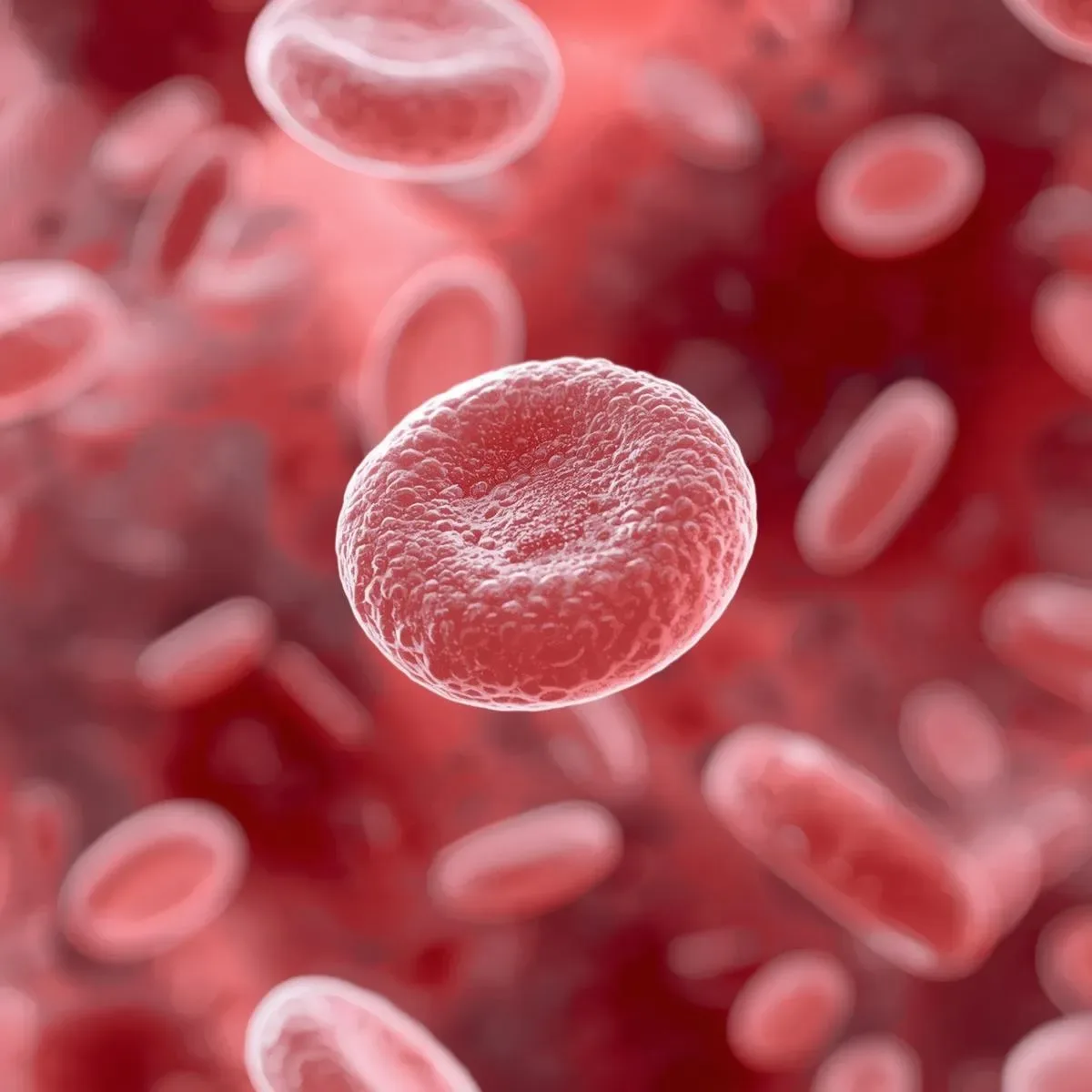
What are white blood cells? Picture your body as a large city. White blood cells are like the soldiers or police of that city. Their main job is to watch for germs, foreign substances, or invaders entering the body. If any appear, white blood cells move in quickly to deal with them.
- If there aren't enough white blood cells, the city is left undefended
- Minor germs that the body would normally handle with ease can spiral into serious illness
- In medical terms, this condition is called low immunity or immunodeficiency
Why does chemotherapy lower white blood cell count? Chemotherapy is designed to kill cancer cells, which divide rapidly. But the body also has healthy cells that divide quickly, such as:
- Cells in the bone marrow that produce blood cells
- Cells in the mouth and digestive tract
- Hair follicle cells
When chemotherapy destroys these fast-dividing cells, it also affects white blood cell production. The result is that white blood cell levels in the body drop more than usual.
What risks come with a low white blood cell count? When white blood cell counts are low, the main consequence is a higher chance of infection, since there are no longer enough "soldiers" to fight off germs as before. Symptoms patients should watch out for include:
- Fever with no clear cause
- Chills, night sweats
- Sore throat, cough with phlegm
- Slow-healing wounds, or small wounds that easily become inflamed
- Diarrhea, burning sensation during urination
Sometimes symptoms may not seem severe at first, but they can escalate into something dangerous very quickly.
How to take care of yourself when white blood cell count is low Although a low white blood cell count is an unavoidable side effect, there are still ways to help reduce the risk and recover faster, including:
1. Maintain cleanliness
- Wash your hands frequently
- Avoid crowded places
- Wear a mask when going out
2. Choose safe foods
- Avoid raw foods such as sashimi or hot pot where the broth isn't kept at a full boil
- Choose freshly cooked, clean food
3. Get enough rest
- Sleep helps the immune system recover
- Aim for at least 7–8 hours of sleep per night
Nutrition that supports blood cell recovery
- High-quality protein, such as fish, eggs, tofu, and lean meat
- Iron, from liver, egg yolks, and dark leafy greens
- B vitamins and folate, which support blood cell production
- Vitamin C, from citrus fruits, which enhances iron absorption
Why is nutrition just as important as medication? When white blood cell counts are low, the body needs more energy and nutrients to repair itself and produce new blood cells. If the body lacks even a small amount of protein or energy, recovery slows down, and blood counts may fail to meet the required threshold, forcing chemo to be postponed and disrupting the treatment plan. So food isn't just about feeling full — it's a treatment tool that helps the body fight alongside the medication.
Protein shakes — a helper for blood cell recovery Patients sometimes face challenges such as:
- Loss of appetite, unable to eat much
- Nausea and vomiting after chemo
- Mouth sores, making chewing difficult
These make it hard to eat a full, balanced diet. This is where protein shakes — protein formulated for cancer patients — come into play.
Key benefits of protein shakes
- Easy to digest, quickly absorbed, without putting strain on the digestive system
- Contain essential amino acids (BCAAs) that help reduce muscle breakdown
- Contain supplementary vitamins and minerals essential for blood cell production
- Some formulas include prebiotics and MCT oil, which help boost energy and support gut health
Supplementary protein from Royim Protein Many patients ask: which protein shake should I choose? Royim Protein offers nutritional supplement products designed specifically for cancer patients and those undergoing chemotherapy.
How to take it
- Drink 1–2 glasses per day, between meals
- Suitable for those with a poor appetite or who aren't eating enough through regular meals
- Consult a doctor or nutritionist before adjusting the amount
Benefits
- Helps replenish the protein and energy the body needs to produce blood cells
- Reduces the risk of failing blood count thresholds due to slow recovery
- Supports the immune system, lowering the chance of infection during periods of low white blood cell count
A low white blood cell count is one of the most common side effects during chemotherapy, and it's the main reason cancer patients are more prone to infection than the general population. But the good news is that we can take steps to support faster recovery — especially through proper nutrition, whether that means clean, freshly cooked meals rich in protein, iron, and vitamins, or using a protein shake as a supplement on days when eating is difficult. For anyone looking for extra support, Royim Protein offers nutritional supplement products designed specifically for cancer patients, helping the body receive complete nutrition, recover blood counts faster, reduce the risk of infection, and keep the treatment plan running smoothly. At every step of your recovery, Royim Protein is here to stand by your side. Our specially formulated protein shake is designed to boost energy, support muscle recovery, and help strengthen your body, so every day is filled with the strength to keep fighting. Choose Royim Protein as the right partner for your health today.