
Blogs
More Than Just Medicine: Why Protein Nutrition Matters as Much as Chemotherapy
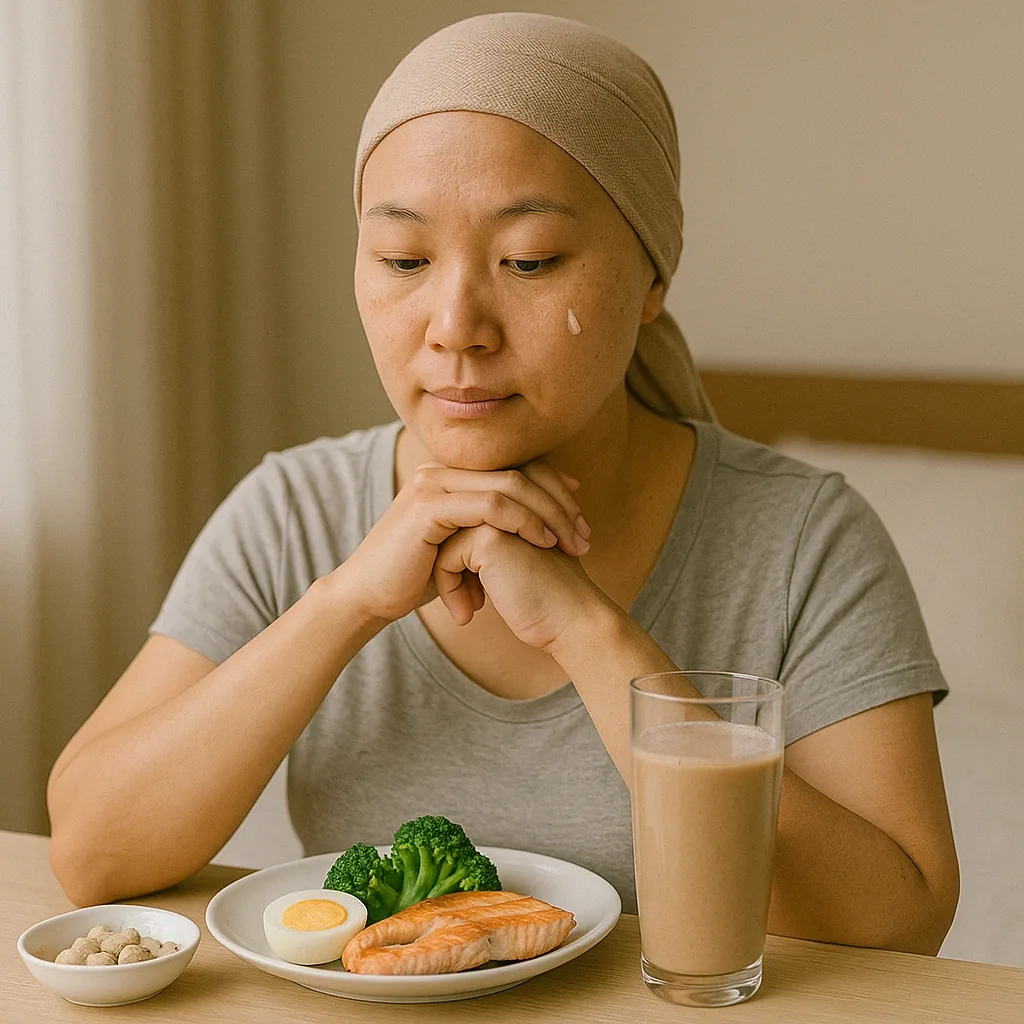
More Than Just Medicine: Why Protein Nutrition Matters as Much as Chemotherapy
More than just medicine, why does protein nutrition matter as much as chemotherapy? When it comes to cancer treatment, many people focus first on chemotherapy — the use of anti-cancer drugs to destroy cancer cells. But something that is often overlooked, yet plays an equally important role, is nutrition, especially protein. Protein is the foundation behind recovery, immune support, and reducing the side effects caused by chemotherapy. Let's take a deeper look at the connection between protein nutrition and chemotherapy, along with how to safely use protein shakes on days when eating solid food is difficult.
Why does chemotherapy make the body weaker? Chemotherapy is the process of using anti-cancer drugs to stop the growth of, or directly kill, cancer cells. These drugs tend to affect fast-dividing cells, which include:
- Cancer cells
- Blood cells
- Cells lining the digestive tract
- Hair follicle cells
Main effects of chemotherapy
- Muscle wasting — when the body is fatigued, has a poor appetite, and isn't getting enough energy, muscle tissue is broken down to supply energy instead
- Weakened immunity — the drop in white blood cells from chemotherapy leaves the body more vulnerable to infection
- Digestive disturbances such as nausea, diarrhea, or constipation
These effects show that chemotherapy doesn't just destroy cancer cells — it also directly impacts other vital systems in the body.
Nutrition for cancer patients: protein is the heart of recovery When the body has to fight cancer while undergoing intensive treatment, it needs more nutrients than usual — especially protein, which forms the basic building blocks for:
- Repairing cells damaged by chemotherapy drugs
- Strengthening the immune system, particularly antibodies and white blood cells
- Maintaining muscle mass, which is linked to energy, balance, and quality of life
How much protein should cancer patients get? According to the American Cancer Society and clinical nutrition institutes, cancer patients are recommended to get 1.2–2.0 grams of protein per kilogram of body weight per day, depending on activity level and any complications.
Research support: how protein reduces chemotherapy side effects
1. Reduces the risk of muscle atrophy
- Research from the Journal of Cachexia, Sarcopenia and Muscle (2018) found that cancer patients who received high protein intake along with whey protein supplementation experienced less muscle loss and recovered faster
2. Boosts the immune system
- A study from Clinical Nutrition (2020) found that supplementing protein together with other nutrients such as omega-3 and vitamin D can increase white blood cell counts and shorten infection duration in patients undergoing chemotherapy
3. Helps reduce nausea and loss of appetite
- Research from Nutrition and Cancer (2019) indicates that consuming protein shakes containing BCAAs (Branched-Chain Amino Acids) helps reduce chronic nausea and stimulate appetite in patients with gastrointestinal cancers
When eating solid food isn't possible, protein shakes are the answer Loss of appetite, sore throat, nausea, or fatigue on chemotherapy days — or afterward — can make eating regular meals difficult. This is where protein shakes become a convenient and safe option.
Benefits of protein shakes for cancer patients
- Easy to digest and nutritionally complete
- Doesn't add extra strain on the digestive system on days when you feel unwell
- Provides adequate calories and protein
- Available in special formulas for patients, such as sugar-free, gluten-free, or lactose-free options
Tips for choosing a protein shake
- Choose Whey Protein Isolate or plant-based protein for those who are lactose intolerant
- Avoid shakes that are high in sugar, contain preservatives, or caffeine
- If unsure, consult a doctor or nutritionist
Sample nutrition program alongside chemotherapy (daily estimate)
- Morning: brown rice porridge + boiled egg + 1 glass of protein shake — approximately 25–30 grams of protein
- Lunch: brown rice + steamed fish + clear soup + unsweetened fruit — approximately 30 grams of protein
- Evening: pumpkin soup + fried tofu + steamed rice — approximately 25 grams of protein
- Before bed: whey protein shake + half a banana — approximately 20 grams of protein
Daily total: 100–110 grams of protein (suitable for a patient weighing 50–60 kg)
Good nutrition is half the treatment. While chemotherapy is a cornerstone of cancer treatment, neglecting nutrition — especially protein — can keep treatment outcomes from reaching their full potential. Patients who receive adequate protein not only recover faster, but also have stronger immunity, fewer complications, and can return to living life with better quality. So using protein shakes isn't just about drinking a supplement — it's about taking care of yourself on the days your body needs strength the most, and it's a vital ally in carrying you through treatment effectively. At every step of recovery, Royim Protein is here to stand by your side. Our specially formulated protein shakes are designed to boost energy, restore muscle, and help your body grow stronger — filling every day with the strength to keep fighting. Choose Royim Protein, the right partner for your health today.