
Blogs
Radiation Therapy: Preparation and Post-Treatment Care
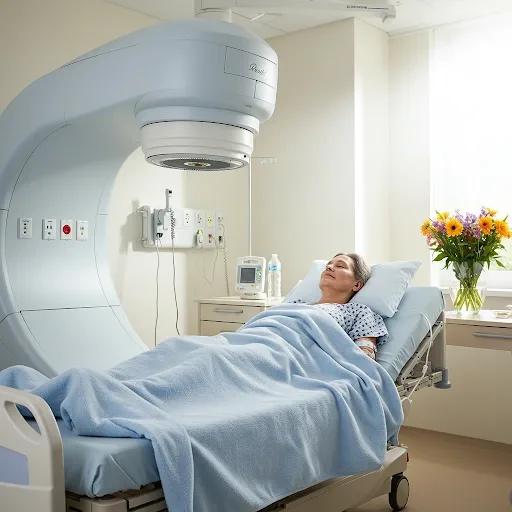
Radiation Therapy: Preparation and Post-Treatment Care
Radiation therapy is a cancer treatment that uses high-energy rays to destroy cancer cells. Although it is an effective treatment, it can also cause side effects. Preparing before treatment and caring for your body afterward are therefore important, helping to reduce side effects and allowing the body to recover more quickly.
What is radiation therapy, and how does it work? Radiation Therapy is one of the methods used to treat cancer by using high-energy radiation to destroy cancer cells or inhibit the growth of abnormal cells. The radiation damages the DNA inside cancer cells, preventing them from dividing or multiplying, which ultimately causes them to die.
Types of radiation therapy
- External Beam Radiation Therapy (EBRT) is a widely used method in which radiation is aimed from a radiation-generating machine toward the area containing cancer cells. The machine stays outside the patient's body, and the radiation is directed straight at the tumor. It is suitable for many types of cancer and can be used together with other treatments.
- Internal radiation therapy (Brachytherapy) involves implanting a radiation source close to the tumor so the radiation can destroy cancer cells directly. The radiation source may be small seeds, wires, or tubes placed inside the body. It is suitable for certain cancers, such as cervical cancer, prostate cancer, and breast cancer.
- Systemic Radiation Therapy uses radioactive substances introduced into the body, such as iodine-131 for treating thyroid cancer. The radioactive substance is absorbed by cancer cells and releases radiation to destroy them. It is suitable for cancers that have spread to various parts of the body.
Side effects of radiation therapy Radiation therapy is a highly effective way to treat cancer, but it often causes side effects that patients must cope with. The severity of side effects varies from person to person, depending on the area irradiated, the radiation dose, and the patient's overall health.
Common side effects
- Fatigue and exhaustion are the most common side effects and may occur during treatment and continue for several weeks afterward.
- Changes in the skin at the irradiated area The skin may become dry, peel, turn red, itch, or feel like a sunburn.
- Nausea and loss of appetite especially when the abdomen or nearby areas are irradiated.
- Inflammation of the irradiated organs such as esophagitis, cystitis, or pneumonitis, which can cause pain or discomfort.
- Malnutrition from eating less due to nausea, loss of appetite, or a sore mouth and throat.
Other side effects
- Hair loss if the head is irradiated.
- Dry mouth and sore throat if the head and neck area is irradiated.
- Diarrhea if the abdomen or pelvic area is irradiated.
- Changes in blood counts leading to anemia, low platelet counts, or low white blood cell counts, which increase the risk of infection.
- Reproductive system issues such as infertility or changes in the menstrual cycle.
Managing side effects
- Tell your doctor If you experience any unusual symptoms, inform your doctor immediately so you can receive treatment and symptom relief.
- Take care of your skin Use gentle products, avoid scrubbing, and apply the lotion or cream your doctor recommends.
- Eat suitable foods Focus on soft, easy-to-digest foods and drink enough water.
- Get enough rest Set aside sufficient time to rest, and engage in light activity once you feel better.
- Take care of your mental health Talk to your doctor or a counselor if you feel stressed or anxious.
Taking proper care of yourself will help you cope with the side effects of radiation treatment and allow your body to recover more quickly.
Caring for your body after radiation therapy
- Proper nutrition Eat foods rich in protein, vitamins, and minerals to help repair damaged cells. Avoid processed foods, high-fat foods, and foods high in sugar. Drink enough water to help flush toxins from the body.
- Light exercise Gentle walking or yoga can help the body recover faster and reduce fatigue.
- Skin care Use gentle skincare products, avoid sun exposure, and avoid harsh soaps on the irradiated area.
- Adequate rest Get enough quality sleep so the body can repair itself as effectively as possible.
How protein shakes can help the body recover after radiation therapy Protein shakes are a good option for patients who want to rebuild their bodies after treatment, offering the following benefits:
- Help repair cells damaged by radiation.
- Build muscle and boost energy
- Help reduce malnutrition for those who have difficulty eating.
- Boost the body's immunity as protein is an essential nutrient for building immune cells.
How to choose the right protein shake Choosing the right protein shake is important for getting the maximum benefit from protein supplementation, especially for those who want to build muscle, manage their weight, or improve their overall health. Here are tips for choosing the right protein shake.
- Choose protein that is easy to digest Whey Protein Isolate is protein that has been filtered to remove lactose and fat, making it easy to digest and suitable for those with lactose intolerance. Plant-based Protein, such as pea protein, brown rice protein, or soy protein, is suitable for vegetarians or vegans and for those allergic to milk protein.
- No excessive sugar or additives Avoid protein shakes with too much sugar or artificial sweeteners. Read the ingredient label carefully to check for unnecessary additives.
- Contains added vitamins and minerals Some protein shakes are fortified with vitamins and minerals, such as vitamin D, calcium, and zinc, which help strengthen the body and support the functioning of various body systems. To get the most benefit from your diet, it should be paired with vitamins and minerals that help build blood cells and hemoglobin, strengthen muscles, boost immunity, and help the body's hormones and enzymes function better.
Radiation therapy is an effective way to treat cancer, but it comes with side effects that can affect the body. Taking care of yourself with good nutrition, exercise, and the right protein shake can help patients recover quickly and grow stronger. Patients should consult their doctor before choosing any dietary supplement to ensure it is safe and suitable for their physical condition. At every step of your recovery, Royim protein is here beside you. Our specially formulated protein shake is designed to boost energy, restore muscle, and help strengthen the body, filling every day with the strength to keep fighting. Choose Royim protein, the right partner for your good health today.