
Blogs
Radiation Therapy vs. Chemotherapy: Choosing a Treatment Path and the Role of Protein Nutrition in Recovery
Radiation Therapy vs. Chemotherapy: Choosing a Treatment Path and the Role of Protein Nutrition in Recovery
Radiation therapy vs. chemotherapy: choosing a treatment path and the role of protein nutrition in the recovery process. Understand cancer treatment more deeply than ever before. Cancer today can be treated in many different ways, depending on the type, stage, and overall health of the patient. Two of the most important treatment approaches are radiotherapy and chemotherapy, each with its own clear advantages, limitations, and side effects. Regardless of which path is chosen, protein-rich foods and protein shakes play an important role in effectively supporting the body's recovery — boosting immunity, repairing tissue, and reducing fatigue during treatment. We'll compare the differences between radiation therapy and chemotherapy, along with guidance on choosing the right nutrition, including how to safely supplement with protein shakes.
Understanding the Treatment Approaches: Radiation Therapy vs. Chemotherapy
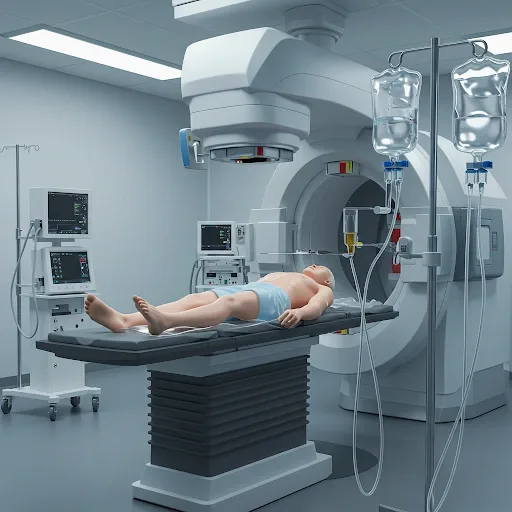
Radiation therapy (Radiotherapy) is the use of high-energy radiation, such as X-rays, gamma rays, or protons, to destroy cancer cells at a specific location.
Key strengths of radiation therapy
- Targets a specific site, such as lung cancer, breast cancer, or brain cancer
- Affects healthy cells throughout the body less than chemotherapy does
- Can be used together with surgery or chemotherapy
Common side effects
- Skin burns or redness in the irradiated area
- Fatigue and exhaustion
- Difficulty swallowing (in cases of oral or esophageal cancer)
Chemotherapy is the use of chemical drugs to stop the growth of cancer cells. The drugs enter the bloodstream and affect the entire body.
Key strengths of chemotherapy
- Suitable for cancers that have advanced or spread
- Drugs enter the body through the bloodstream or by mouth
- Can be used for many types of cancer, such as leukemia and lymphoma
Common side effects
- Nausea and vomiting
- Hair loss
- Weakened immunity
- Loss of appetite and weight loss
Comparison Table: Radiation Therapy vs. Chemotherapy
Goal
- Radiation therapy focuses on destroying cancer cells in the specific area that receives radiation
- Chemotherapy focuses on destroying cancer cells throughout the entire body, as the drug circulates through the bloodstream
Method
- Radiation therapy can be delivered by radiation from outside the body, or by implanting a radiation source inside the body near the cancer site
- Chemotherapy involves administering chemotherapy drugs, most commonly through an intravenous line or in the form of oral tablets
Duration
- Radiation therapy usually follows a fixed treatment period, such as 5–7 weeks, with radiation delivered once a day
- Chemotherapy duration varies depending on the type of cancer and drug regimen used, typically following treatment cycles, such as every 3 weeks
Side effects
- Radiation therapy side effects usually occur directly in the area that received radiation, such as skin burns and localized fatigue
- Chemotherapy side effects can occur throughout the entire body, since the drug circulates through the whole system. Common side effects include fatigue, nausea, vomiting, hair loss, and low blood cell counts
Recovery
- Radiation therapy: in some cases, recovery from radiation therapy side effects may be faster than from chemotherapy, since the effects are limited to the treated area
- Chemotherapy: recovery from chemotherapy usually takes longer, as the immune system and muscle mass may be affected, requiring overall body recovery
The Role of Protein Foods and Protein Shakes for Patients Undergoing Radiation Therapy and Chemotherapy
Why is protein important? Protein is a nutrient essential for building new cells, repairing tissue, and boosting immunity — especially during periods when the body is damaged by radiation or chemotherapy drugs.
Benefits of protein during treatment
- Repairs tissue damaged by radiation
- Restores muscle affected by fatigue or prolonged bed rest
- Strengthens immunity to fight infection
- Helps wounds heal faster (especially for patients who have also undergone surgery)
The role of protein shakes in recovery Protein shakes are drinks that provide high-quality protein in a form that is easy for the body to absorb, suitable for patients who
- Have difficulty chewing food
- Can eat only small amounts
- Have lost their appetite
- Need quick energy
Benefits
- Help supplement protein intake during periods of reduced eating
- Increase energy and help reduce fatigue
- Available in formulas specifically designed for cancer patients that are easy to digest and free of artificial flavoring
Recommended Nutrition Guidelines During Treatment
Radiation therapy patients
- Eat soft foods such as soup, congee, or pureed food
- Avoid spicy or hard, crunchy foods if you have mouth sores
- Drink plenty of water to reduce dry mouth
- Supplement with a protein shake after radiation, 1–2 times a day
Chemotherapy patients
- Eat small, frequent meals to reduce nausea
- Drink cold protein shakes to help reduce vomiting
- Supplement with vitamin B, folate, iron, and zinc
- Avoid fatty and fried foods
Sample Recovery Meal Plan with Protein Shake Supplementation
Breakfast
- Fish congee is an easy-to-digest, low-fat source of protein. Steamed egg is also a source of protein that is gentle on the digestive system, making this a light breakfast that still delivers high energy and protein
Morning snack
- Vanilla-flavored protein shake is a convenient way to supplement energy and protein between main meals, helping to keep blood sugar levels stable and reduce hunger
Lunch
- Brown rice is a source of complex carbohydrates and fiber. Clear soup with tofu and minced pork provides easy-to-digest protein, and the broth makes it easy to swallow. Adding fruit supplements vitamins, minerals, and antioxidants
Afternoon snack
- Banana blended with yogurt is an easy-to-digest snack that provides energy from the banana and probiotics from the yogurt, which are good for the digestive system
Dinner
- Steamed rice is a source of carbohydrates. Kaeng liang with fresh shrimp is a dish with a wide variety of vegetables, rich in vitamins, minerals, and fiber. Fresh shrimp is a good source of protein that helps nourish the body
Before bed
- Honey-flavored protein shake mixed with almond milk is a light drink before bed. Almond milk is easy to digest and low in calories, honey provides a small amount of energy, and the protein helps with recovery and tissue repair while sleeping
How to Choose a Protein Shake Safely for Cancer Patients
Recommended qualities
- Sugar-free / uses stevia instead
- No strong artificial flavorings
- Uses easily digestible protein, such as whey protein isolate or pea protein
- Fortified with vitamins suitable for patients, such as vitamin B12, D, and zinc
Avoid
- Caffeine / certain herbs (which may interfere with medication)
- Products that have not passed FDA (อย.) approval
- Cow's milk protein if the patient has lactose intolerance
Treatment works better when paired with the right nutrition
- Radiation therapy and chemotherapy are both important tools in cancer treatment. Both methods have different advantages and side effects
- Nutritional care, especially protein supplementation, plays an important role in reducing side effects and speeding up recovery
- Protein shakes are a convenient supplementary tool, suitable for patients who eat little and need energy and body repair
- Choose a protein shake that is high-quality and safe for cancer patients
If you or someone close to you is currently undergoing cancer treatment, talking with your doctor and a nutritionist alongside supplementing with the right protein shake will help make your health recovery smoother and lead to a better quality of life. At every step of your recovery, Royim Protein is here to stand by you. Our specially formulated protein shakes are designed to boost energy, restore muscle, and help strengthen your body — filling every day with the strength to keep fighting. Choose Royim Protein, the right partner for your good health today.