
Blogs
Restore Your Body with the Power of Protein: Why Cancer Patients Should Start Protein Shakes Immediately After Chemotherapy
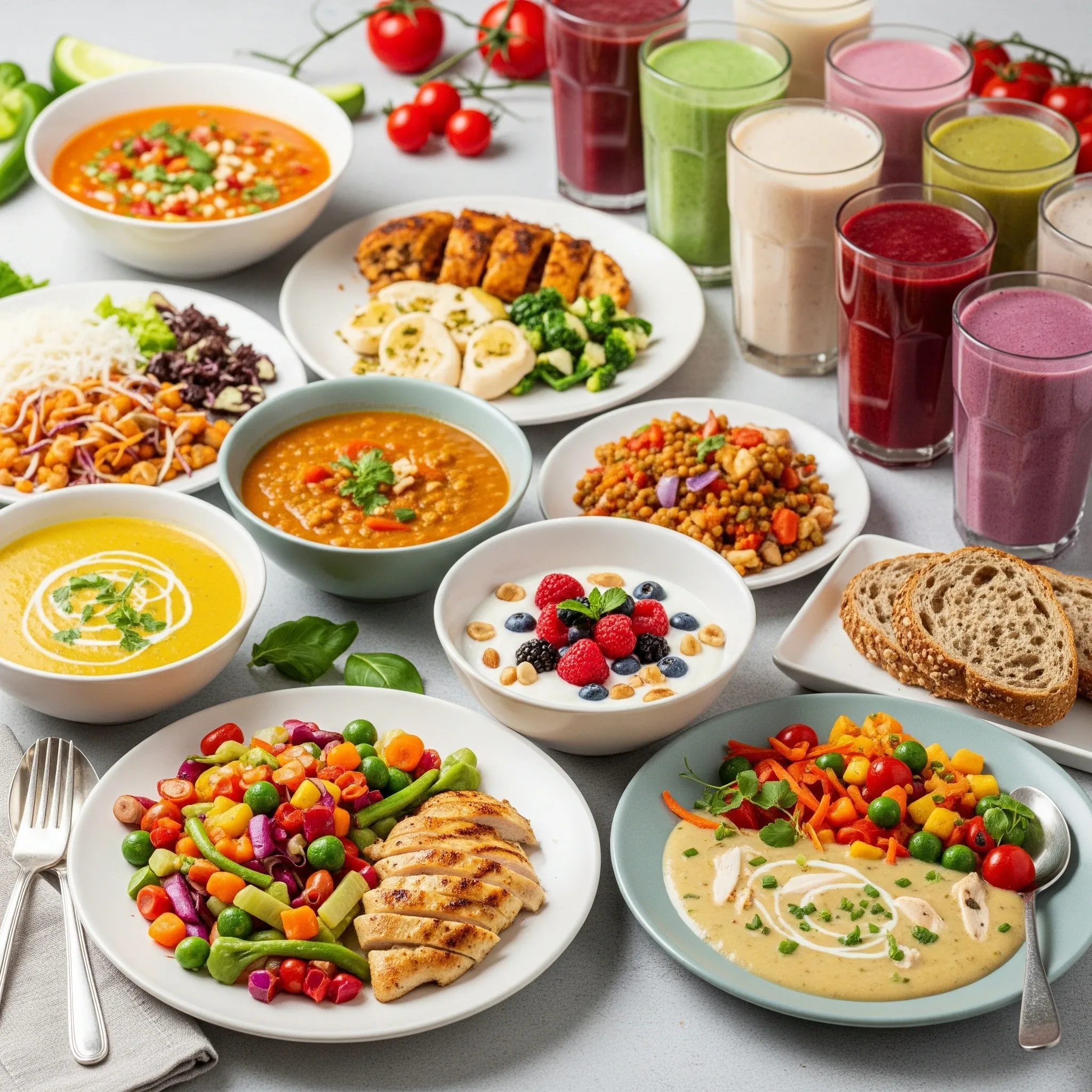
Restore Your Body with the Power of Protein: Why Cancer Patients Should Start Protein Shakes Immediately After Chemotherapy
Restore your body with the power of protein — why should cancer patients start protein shakes immediately after chemotherapy? Cancer treatment, especially chemotherapy, is a process that affects the entire body. It's not only cancer cells that are affected; normal cells throughout the body are damaged as well, leading to complications such as muscle wasting, weakness, decreased white blood cells, digestive disturbances, and severe energy depletion. One of the key questions cancer patients and caregivers ask is: what should you eat after chemotherapy? An answer that is increasingly interesting and supported by medical evidence is protein shakes. We'll take a deep dive into why protein shakes should be part of the nutrition plan immediately after chemotherapy, compare them with natural protein sources, and suggest guidelines for choosing the right protein shake for cancer patients.
The impact of chemotherapy on the body Chemotherapy is a process that uses drugs to destroy cancer cells, but chemo drugs cannot distinguish between cancer cells and normal cells that divide quickly, such as cells in the bone marrow (which produce blood cells), cells in the digestive system, and hair follicle cells.
Common effects include
- Muscle wasting and weakness from loss of appetite
- Decreased white and red blood cells, leading to lowered immunity and anemia
- Slowed digestive function, nausea, diarrhea, or constipation
- Rapid weight loss
- Chronic fatigue
The point of concern When the body doesn't have enough nutrients, especially protein, the recovery of tissues, blood cells, and immunity is delayed, causing interruptions in treatment and increasing the risk of complications.
The important role of protein in body recovery Protein is the primary nutrient needed to build and repair tissue, as well as to produce the enzymes, hormones, and antibodies essential to the immune system. For cancer patients during or after treatment, protein becomes many times more important than usual.
What protein helps with
- Repairing muscle and tissue damaged by chemotherapy
- Stimulating the production of red and white blood cells in the bone marrow
- Supporting digestion and nutrient absorption by helping maintain the lining of the digestive tract
- Boosting energy and reducing chronic fatigue
- Helping control weight and prevent malnutrition
Protein shakes a suitable option after chemotherapy. During recovery after chemotherapy, patients often experience loss of appetite, difficulty chewing, or abnormal digestive function, making it difficult to eat normal high-protein foods such as meat, eggs, or beans.
Protein shakes address several needs
- Easy to digest, no chewing required, gentle on the stomach — suitable for those who are nauseated or have mouth sores from chemotherapy
- Absorbed quickly, allowing the body to use it for tissue repair rapidly
- Convenient and easy to prepare — can be drunk between meals or used to replace a main meal
- Can be fortified with other nutrients such as vitamins, minerals, and omega-3s that help reduce inflammation
Comparing protein from natural food with protein shakes
Digestion and absorption
- Natural protein sources: some types are hard to digest, such as red meat or high-fat foods; the body may take longer to digest and absorb them
- Protein shakes: designed to be easy to digest and quickly absorbed, allowing the body to use the protein rapidly — suitable for those who need urgent recovery
Protein amount per serving
- Natural protein sources: getting an adequate amount of protein from natural food may require eating large quantities, which may not suit those who can eat only small amounts or have dietary restrictions
- Protein shakes: can provide high protein in a small volume, making it easy to control the amount of protein received per meal
Convenience
- Natural protein sources: must be cooked and chewed, which takes time and preparation steps; if time is limited or chewing is restricted, this may be less convenient
- Protein shakes: can be mixed and drunk immediately — convenient and quick, suitable for a busy lifestyle or when extra protein is needed within a limited time
Nutritional diversity
- Natural protein sources: come with a variety of naturally occurring vitamins and minerals, which are beneficial to overall health
- Protein shakes: can be fortified with additional vitamins, minerals, and dietary fiber, providing more complete nutrition in a single serving, depending on the product's formula
Suitability for patients after chemotherapy
- Natural protein sources: may not be suitable if the patient has difficulty swallowing, loss of appetite, nausea, or severe fatigue, since chewing is required and may cause a feeling of heaviness in the stomach
- Protein shakes: suitable and safe for patients after chemotherapy, since they are easy to digest, quickly absorbed, and provide high energy and protein in a small volume, allowing patients who can eat only small amounts or have digestive issues to receive the nutrients they need to recover
However, protein shake supplementation should not completely replace main meals, but should be used together with a variety of foods to ensure complete nutrition.
How to choose a protein shake suitable for cancer patients Not every brand of protein shake is suitable for cancer patients; careful selection is needed.
Things to consider
- Use protein from whey (whey protein isolate) or plant sources (such as soy, pea)
- No high sugar content or flavoring/coloring agents that trigger inflammation
- Fortified with BCAA or L-glutamine for muscle recovery
- Contains vitamin B12, iron, and folate to support blood cell production
Consult a nutritionist or doctor before choosing a product, to ensure it suits the patient's symptoms and stage of illness.
Guidelines for consuming protein shakes
- Should be consumed immediately after chemotherapy or during recovery
- Drink 1-2 times a day, together with main meals
- Drink immediately after light exercise to enhance absorption
- Mix with fruit such as banana or berries to add energy
Sample simple recovery menu
- Morning: easy-to-digest fish congee + protein shake (plain flavor mixed with banana)
- Lunch: soft brown rice + steamed egg + clear soup + boiled vegetables
- Evening: pumpkin soup + white tofu + protein shake (mixed with mashed pumpkin)
- Snack: ripe banana or yogurt + a bit of protein shake mixed in
Recovering the body after chemotherapy is not easy, but the process can be accelerated by properly supplying the body with protein — especially through the use of protein shakes, which are convenient, easy to digest, and quickly boost energy. When protein shakes become part of the nutrition plan alongside natural food and medical treatment, they can truly help cancer patients recover effectively and enjoy a better quality of life. At every step of your recovery, Royim Protein stands by your side. Our specially formulated protein shake is designed to boost energy, restore muscle, and help strengthen your body, filling every day with the power to keep fighting. Choose Royim Protein, the right partner for your good health today.