
Blogs
Stages of Cancer: How Is Each Stage Treated? Plus Nutrition Tips to Help Strengthen the Body
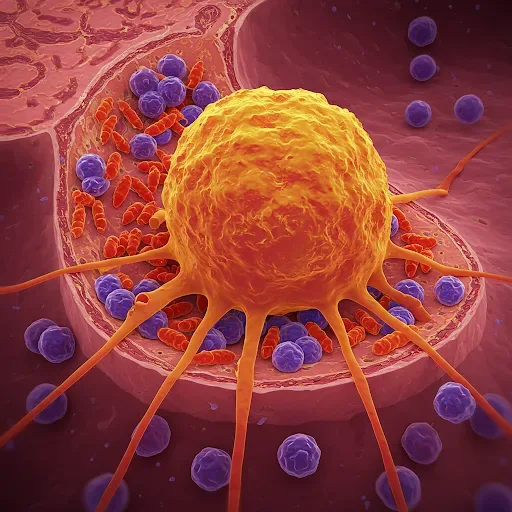
Stages of Cancer: How Is Each Stage Treated? Plus Nutrition Tips to Help Strengthen the Body
Stages of cancer: how is each stage treated? Plus nutrition tips to help strengthen the body. Cancer has several stages, and each stage is treated differently. Understanding the stages of cancer and the appropriate treatment approach helps patients and their families plan treatment effectively. Proper nutritional care is also an important part of helping the body stay strong and ready for treatment.
Different Treatment Approaches for Each Stage of Cancer Cancer is divided into 4 main stages, and each stage has a different treatment approach depending on the severity of the disease and the patient's health. The main treatments used are as follows
Stage 1 of cancer is considered the early stage, in which cancer cells have not yet spread to other tissues or organs. The main goal of treatment at this stage is to remove the tumor completely as quickly as possible, in order to prevent future spread of cancer cells
Main Treatments in Stage 1
- Surgery Surgery is the main treatment in Stage 1, where the surgeon removes the tumor and surrounding tissue completely. Surgery may be the only treatment needed if the cancer is detected early and has not yet spread
- Radiation therapy In some cases, radiation therapy may be used together with surgery to eliminate any remaining cancer cells after surgery. Radiation therapy uses high-energy radiation to destroy cancer cells
- Treatment goal The main goal of treatment in Stage 1 is to eliminate the tumor completely as quickly as possible, to prevent the spread of cancer cells to other parts of the body. Treatment at this stage has a high chance of full recovery if detected and treated promptly
Detecting cancer at Stage 1 is extremely important for achieving a full recovery. Cancer screening as recommended by a doctor is therefore important. After treatment, patients should follow up regularly to check for recurrence. Cancer treatment planning depends mainly on the type of cancer and the patient's physical condition. Patients should consult a specialist to plan the most appropriate treatment
In Stage 2 of cancer, cancer cells begin to grow larger but have not yet spread to distant organs. Treatment at this stage aims to destroy any remaining cancer cells and prevent the disease from progressing
Main Treatments in Stage 2
- Surgery Surgery remains the main treatment for removing the tumor. Nearby lymph nodes may also be removed to check for the spread of cancer cells
- Chemotherapy Chemotherapy drugs are used to destroy any remaining cancer cells after surgery. Chemotherapy may also be used before surgery to shrink the tumor, making surgery easier
- Radiation Therapy High-energy radiation is used to destroy cancer cells. Radiation therapy may be used together with surgery or chemotherapy to increase treatment effectiveness
- Treatment goal Destroy any remaining cancer cells after surgery, prevent cancer recurrence, prevent the spread of cancer to other organs
Treatment at Stage 2 often involves a combination of therapies to increase the chance of full recovery. Cancer treatment planning depends mainly on the type of cancer and the patient's physical condition. Patients should consult a specialist to plan the most appropriate treatment. Patients should follow up regularly to check for recurrence
In Stage 3 of cancer, cancer cells begin to spread to lymph nodes or nearby organs, but have not yet spread to distant organs. Treatment at this stage aims to shrink the tumor and control the spread of the disease
Main Treatments in Stage 3
- Chemotherapy Chemotherapy drugs are used to destroy cancer cells throughout the body. It may be used before or after surgery, or together with radiation therapy
- Radiation Therapy High-energy radiation is used to destroy cancer cells in a specific area. It may be used together with surgery or chemotherapy
- Immunotherapy Drugs are used to stimulate the body's immune system to fight cancer cells. It is used for certain types and stages of cancer
- Treatment goal Shrink the tumor, control the spread of cancer, increase the chance of full recovery or long-term disease control
Treatment at Stage 3 often involves a combination of therapies to increase the effectiveness of disease control. Cancer treatment planning depends mainly on the type of cancer and the patient's physical condition. Patients should consult a specialist to plan the most appropriate treatment. Patients should follow up regularly to check for recurrence
Stage 4 of cancer means the cancer has spread to other distant organs, such as the lungs, liver, or bones. Treatment at this stage mainly aims to control the disease and relieve symptoms, so the patient can have the best possible quality of life
Main Treatments in Stage 4
- Chemotherapy Used to destroy cancer cells throughout the body and control the spread of the disease
- Immunotherapy Stimulates the body's immune system to fight cancer cells. Used for certain types and stages of cancer
- Palliative Care Focuses on relieving symptoms such as pain, nausea, and fatigue, helping patients have a better quality of life in the later stages of life
- Targeted Therapy Targeted Therapy is a treatment that is more specific to cancer cells than chemotherapy drugs, acting on molecules or genes that play an important role in the growth and spread of cancer cells
- Hormonal Therapy Hormonal Therapy uses hormones or anti-hormone drugs to control the growth of certain cancer cells that respond to hormones, such as breast cancer, prostate cancer, and endometrial cancer
- Treatment goal Control the spread of cancer, relieve symptoms and reduce pain, maintain the best possible quality of life for the patient
At Stage 4, treatment is often a combination approach to achieve the best possible outcome. Cancer treatment planning depends mainly on the type of cancer and the patient's physical condition. Patients should consult a specialist to plan the most appropriate treatment. Palliative care is important in helping patients maintain a good quality of life in the later stages of life
Foods That Help Support Treatment and Boost Patients' Energy Good nutrition helps cancer patients cope with the side effects of treatment and strengthens the immune system. Here are some guidelines
High-Quality Protein Helps build muscle and repair cells damaged by treatment
- Good protein sources Lean meat, eggs, soybeans, tofu, fish, and easily digestible protein shakes
Complex Carbohydrates Provide long-lasting energy and help reduce fatigue
- Good food sources Brown rice, sweet potatoes, whole wheat bread, beans and seeds
Healthy Fats Help reduce inflammation and provide additional energy
- Good food sources Avocado, olive oil, nuts, salmon
Vitamins and Minerals Strengthen the immune system and help the body fight cancer
- Focus on Vitamin C (citrus fruits), Vitamin D (mild sunlight and fish), and zinc (nuts and meat)
Protein Shakes for Nutritional Support For those who can eat little or have difficulty swallowing, protein shakes are a convenient option that provides complete nutrition. Choose protein shakes that are high in protein, low in fat, and enriched with vitamins, such as whey protein or plant-based protein
Treatment for each stage of cancer follows a different approach, and it must be combined with proper nutritional care to help strengthen the body. Choosing to eat nutritious foods and supplementing with protein shakes can help patients recover faster, reduce fatigue, and boost the body's energy. At every step of your recovery, Royim protein is here to stand by your side. Our specially formulated protein shake is designed to boost energy, restore muscle, and help strengthen your body, filling every day with the strength to keep fighting. Choose Royim protein, the right partner for your good health today