
Blogs
Unnoticed Muscle Loss: A Problem That Comes with Weight Loss in Cancer Patients
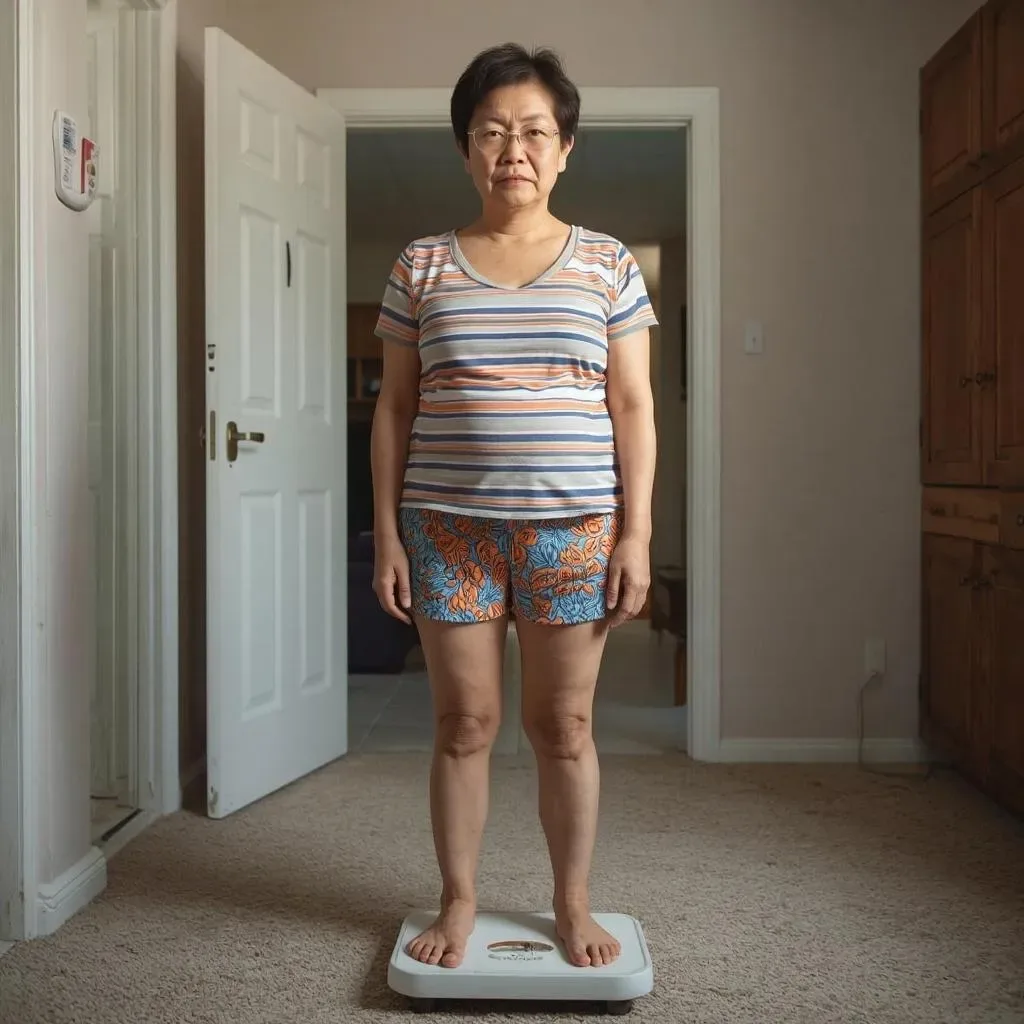
Unnoticed Muscle Loss: A Problem That Comes with Weight Loss in Cancer Patients
Unnoticed muscle loss is a problem that comes with weight loss in cancer patients. Many cancer patients notice rapid weight loss, but sometimes what's more concerning is the muscle mass that disappears without them realizing it — a condition called Sarcopenia, or unnoticed muscle wasting. Muscle isn't just about appearance; it plays a vital role in the immune system, movement, recovery after treatment, and overall quality of life. We'll explain the causes of muscle loss in cancer patients, the potential dangers, nutritional and self-care approaches, and how to use protein for cancer patients from Royim Protein to restore muscle mass and rebuild the body.
Weight Loss vs. Muscle Loss Weight loss in cancer patients doesn't only mean losing fat — it's often mostly a loss of muscle mass.
Causes of Muscle Loss
- Eating less. Side effects from chemotherapy, such as nausea and vomiting, make it hard to eat enough.
- The body uses muscle for energy. When the body lacks sufficient protein or energy, it breaks down muscle to generate energy and repair cells.
- Chronic inflammation. Cancer causes inflammation in the body, which increases protein breakdown.
- Malnutrition. A lack of essential vitamins and minerals, such as iron, B vitamins, and amino acids.
- Stress and depression. Stress disrupts metabolism and reduces appetite.
Dangers of Muscle Loss Muscle loss affects the body in many ways, especially in patients undergoing cancer treatment.
- Weakened immunity. Muscle is involved in producing amino acids for white blood cells; when muscle atrophies, immunity declines.
- Slower recovery. After chemotherapy or surgery, the body needs protein to repair cells; muscle atrophy slows recovery.
- Easy fatigue and weakness. Muscle atrophy reduces strength, making movement and daily activities difficult.
- Increased risk of injury. Weak muscles increase the risk of falls and injury.
- Impact on treatment outcomes. A lack of muscle mass may force doctors to adjust medication doses or postpone treatment.
Signs That Muscle Is Being Lost
- Rapid, unexplained weight loss
- Arms and legs becoming thinner, even without significant fat loss
- Feeling weak when moving or walking
- Falling easily or unsteady balance
- Getting tired easily even with small activities
How to Prevent and Restore Muscle
- Eat enough protein. Protein is the key to building muscle and repairing cells; choose high-quality protein such as eggs, fish, milk, and legumes.
- Divide meals into several small portions. Eating 5–6 small meals a day helps the body receive nutrients continuously and reduces weakness.
- Do light exercise. Light weight training or regular walking helps stimulate muscle building.
- Supplement with vitamins and minerals. Iron, B vitamins, and amino acids are essential for cell and muscle building.
- Drink enough water. Water helps the metabolism work well, reduces fatigue, and supports digestion.
Sample Menus for Muscle Recovery
- Fish and egg congee: white fish + egg + chopped vegetables
- Mixed vegetable chicken soup: minced chicken + carrot + pumpkin + broccoli
- Protein smoothie: banana + berries + almond milk + protein powder
- Tofu stir-fried in sesame oil
- High-energy oatmeal: oats + milk + nuts + fruit
Each menu can be boosted with protein powder for cancer patients from Royim Protein to restore muscle and immunity.
Royim Protein for Cancer Patients Those who are losing weight and experiencing muscle atrophy may not be able to eat enough; using protein for cancer patients is a suitable option.
Features
- Easy-to-digest protein, fast absorption
- Contains essential amino acids for building muscle and blood cells
- Enriched with important vitamins and minerals
How to Use
- Mix 1 scoop of protein powder with 150–200 ml of warm water
- Drink 1–2 times a day
- Can be mixed with congee, soup, or smoothies
Benefits
- Restores muscle mass and weight
- Boosts immunity
- Helps the body prepare for the next round of chemotherapy
Tips for Safe Muscle Recovery
- Eat high-quality food
- Divide meals into 5–6 small portions a day
- Drink water and nourishing beverages
- Exercise lightly and regularly
- Use protein supplements for those who can't eat enough
Unnoticed muscle loss is a significant problem in cancer patients. Rapid weight loss doesn't only mean losing fat — muscle mass declines along with it.
- Watch for warning signs: weight loss, thinning arms and legs, weakness
- Adjust nutrition: high-quality protein, several small meals, sufficient energy
- Supplement with protein for cancer patients from Royim Protein to restore muscle and immunity
- Exercise lightly and rest adequately
Restoring muscle helps patients recover faster, improves quality of life, and prepares them for the next round of treatment. Every step of your recovery, Royim Protein is here to stand by your side. Our specially formulated protein shake is designed to boost energy, restore muscle, and help your body grow stronger — filling every day with the strength to keep fighting. Choose Royim Protein, the right partner for your good health today.