
Blogs
What Are Anti-Cancer Drugs? An In-Depth Look at How Anti-Cancer Drugs Work, Plus Energy-Boosting Nutrition After Treatment
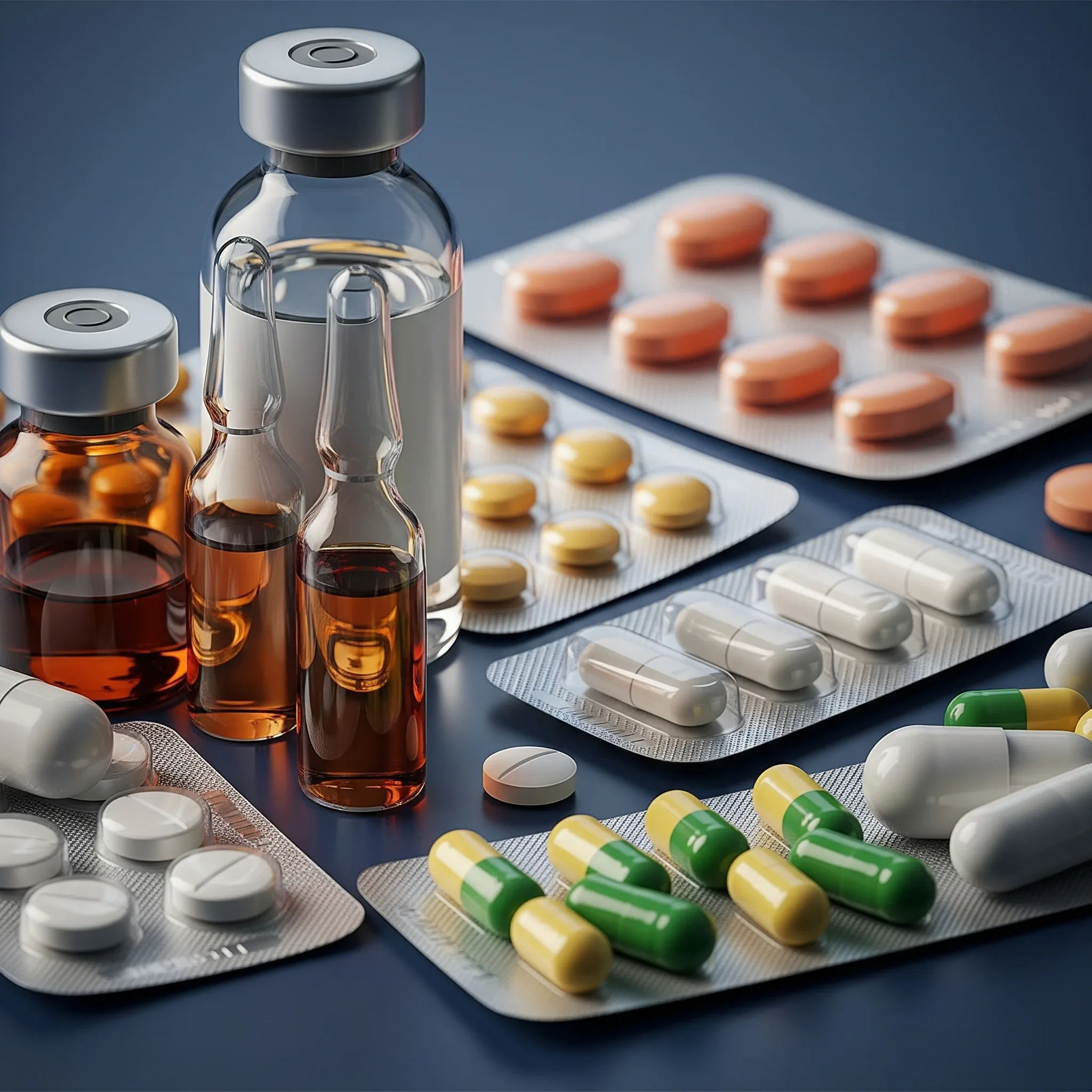
What Are Anti-Cancer Drugs? An In-Depth Look at How Anti-Cancer Drugs Work, Plus Energy-Boosting Nutrition After Treatment
What are anti-cancer drugs? An in-depth look at how anti-cancer drugs work, plus energy-boosting nutrition after treatment, and a systematic understanding of cancer and its treatment. When people think of cancer, chemotherapy or radiation therapy often come to mind first. In reality, however, there are many different approaches to treating cancer, and one of them is the use of anti-cancer drugs, which play a central role in halting the growth of cancer cells. Let's get to know anti-cancer drugs in simple, easy-to-understand terms, along with nutritional guidance to help boost your strength — especially the use of protein shakes, which can effectively help the body recover after receiving treatment.
What are anti-cancer drugs? Anti-cancer drugs are a group of medications that work by destroying cancer cells or inhibiting the division of abnormal cells. There are many different types, each working in a different way, depending on the type of cancer and how the patient responds to the drug.
Common types of anti-cancer drugs
Chemotherapy
- Destroys rapidly dividing cells, which includes cancer cells as well as some normal cells, such as hair cells and intestinal lining cells.
Targeted Therapy
- Targets specifically cancer cells that carry abnormal proteins, without significantly damaging normal cells.
Immunotherapy
- Stimulates the body's immune system to detect and destroy cancer cells.
Hormone Therapy
- Used for cancers that respond to hormones, such as breast cancer or prostate cancer.
Anti-angiogenesis drugs
- Inhibit the formation of new blood vessels that feed the tumor, causing cancer cells to be starved of nutrients and die off.
How anti-cancer drugs work Anti-cancer drugs work by specifically destroying rapidly dividing cells, a characteristic that cancer cells display most prominently. Their mechanisms of action vary and include:
- Inhibiting DNA replication, preventing cells from dividing
- Destroying protein structures within cancer cells, disrupting the growth process
- Inducing apoptosis, or programmed cell death
While these drugs help control or destroy cancer cells, they also affect normal cells, particularly those that divide rapidly, such as blood cells, skin cells, and cells lining the digestive tract.
Side effects commonly seen with anti-cancer drugs
Hair loss
- Protein is a primary component of hair. When the body lacks protein, hair becomes weaker, falls out more easily, and looks less vibrant.
Nausea, vomiting, loss of appetite
- Protein deficiency can affect the digestive system, causing stomach discomfort, nausea, and vomiting, and reducing appetite — which in turn leads to even more inadequate nutrient intake.
Fatigue and low energy
- Protein is essential for generating energy and repairing cells. When the body doesn't get enough protein, you'll feel tired, worn out, and lacking energy for daily activities, even after resting.
Weakened immunity, higher infection risk
- Protein plays a key role in building immunity and antibodies. When protein is lacking, the immune system weakens, making the body less able to fight off pathogens effectively — resulting in reduced immunity and a higher risk of infection.
Muscle wasting, weight loss
- When the body doesn't receive enough protein, it starts breaking down muscle mass for energy instead, resulting in shrinking muscles and rapid, unexplained weight loss — a warning sign that deserves attention.
All of these effects impact a patient's quality of life during treatment, which is why proper physical recovery support is essential alongside treatment.
Energy-boosting nutrition — the key to recovery after treatment. Proper nutrition helps the body recover more quickly from the side effects of medication, supports the building of new cells, repairs muscle, and boosts immunity — especially through eating foods that are high in protein.
Why is protein so important for patients taking anti-cancer drugs?
- Protein is a primary building block of muscle, blood cells, and the immune system
- It helps repair normal cells damaged by chemotherapy
- It helps reduce muscle wasting
- It helps restore energy and reduce fatigue
Protein shakes — a new option that's easy and effective. When patients experience loss of appetite or nausea from medication, they may eat less of their regular meals. Supplementing with a protein shake is a convenient option that's easy to digest and provides a complete amount of protein.
Benefits of protein shakes for cancer patients
- Provide energy throughout the day without needing a large meal
- Easy to digest, gentle on the digestive system
- Formulated specifically for cancer patients, such as with vitamins B12, D, and E to boost immunity
- Convenient to carry and consume at any time
Sample protein-boosting menu after treatment
- Banana protein shake blend + low-fat yogurt
- 2 boiled eggs + mashed pumpkin soup
- Tender roasted chicken breast + soft brown rice
- Grilled fish with sweet soy sauce + ginger rice porridge
- Stewed soft tofu + egg white + soft steamed rice
Additional recommendations
- You should consume approximately 1.2–1.5 grams of protein per 1 kilogram of body weight per day
- Divide meals into 5–6 small meals per day to help avoid nausea
- Choose foods that include complex carbohydrates, healthy fats, and protein
- Drink enough water and rest appropriately
Anti-cancer drugs are one of the key weapons in treating cancer, but taking them often comes with side effects that disrupt a patient's quality of life. That's why taking care of your health with proper nutrition — especially getting enough protein consistently — helps patients recover faster, reduces muscle wasting, low immunity, and fatigue. A protein shake is therefore another important tool that shouldn't be overlooked, especially during periods when patients have a poor appetite or aren't eating a full, balanced diet. Understanding anti-cancer drugs together with taking care of yourself is the key to sustainably overcoming this disease. At every step of your recovery, Royim Protein is here by your side. Our specially formulated protein shake is designed to build energy, restore muscle, and help strengthen your body, so that every day is filled with the strength to keep fighting. Choose Royim Protein, the right choice for your good health today.