
Blogs
What Are Anti-Cancer Drugs? How Do They Work, and What Are the Side Effects?
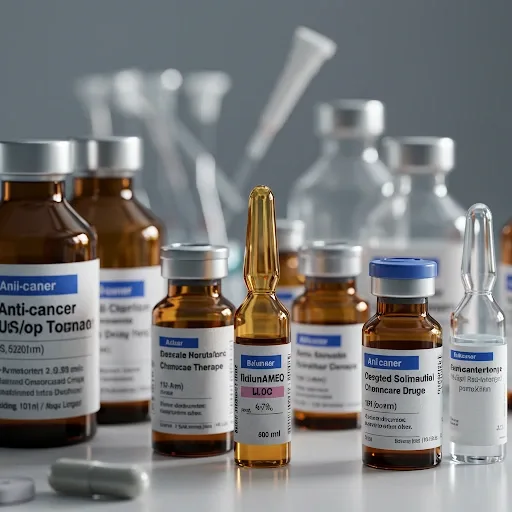
What Are Anti-Cancer Drugs? How Do They Work, and What Are the Side Effects?
What are anti-cancer drugs? How do they work, and what are the side effects? Cancer is one of the most serious diseases affecting patients' health and lives. Today, cancer treatment takes many forms, and one key method is the use of anti-cancer drugs, which are developed to eliminate cancer cells, shrink tumors, and inhibit the spread of cancer cells to other organs.
Types of anti-cancer drugs and how they work Anti-cancer drugs can be divided into several types according to their mechanism of action, each with different targets and effectiveness, as follows:
- Chemotherapy Works by destroying rapidly dividing cells, which includes cancer cells. Often used together with other treatments such as radiation therapy or surgery. Side effects: hair loss, fatigue, nausea, and reduced immunity.
- Targeted Therapy Acts by targeting specific proteins or molecules in cancer cells, reducing side effects on normal cells. Side effects: skin rash, liver abnormalities, and high blood pressure.
- Immunotherapy Stimulates the body's immune system so it can fight cancer cells on its own. Side effects: flu-like symptoms such as fever, chills, and fatigue.
- Hormone Therapy Used to treat hormone-related cancers such as breast cancer and prostate cancer. Side effects: weight gain, mood swings, and fatigue.
- Anti-angiogenesis Therapy Inhibits the formation of new blood vessels that feed cancer cells, depriving cancer cells of nutrients and oxygen. Side effects: high blood pressure, abnormal bleeding, and slow wound healing.
Self-care while taking anti-cancer drugs Taking anti-cancer drugs often comes with side effects that can weaken the body. Proper self-care can help patients achieve a better quality of life and reduce the severity of side effects.
- Eat nutritious food Choose foods rich in protein, vitamins, and minerals, such as vegetables, fruits, whole grains, and lean meat, to help the body recover faster. Avoid processed foods, foods high in sugar, and foods containing trans fats, as these may negatively affect health.
- Drink enough water Drink at least 8 glasses of water a day to help flush out toxins from the treatment process and prevent dehydration. Avoid caffeinated and alcoholic beverages, as these can cause the body to become dehydrated.
- Exercise appropriately Light exercise such as walking, yoga, or tai chi can help reduce fatigue and increase muscle strength. Consult a doctor before starting to exercise to make sure it is suitable for the patient's physical condition.
- Get enough rest Sleep at least 7-8 hours a night to help the body recover. Adequate rest allows the body to repair and restore itself more effectively.
- Monitor symptoms and consult a doctor regularly Report any side effects or abnormal symptoms to your doctor so that the treatment plan can be adjusted appropriately. Regular check-ups with your doctor allow closer monitoring of symptoms and evaluation of treatment results.
How protein shakes can help support nutrition for those taking anti-cancer drugs Protein shakes are an important aid in supporting nutrition for cancer patients who are taking anti-cancer drugs, as they help the body get the nutrients it needs without having to eat foods that may cause nausea or loss of appetite.
- Help maintain muscle mass Anti-cancer drugs may cause the body to lose muscle mass, which affects the patient's strength and quality of life. Drinking protein shakes regularly helps maintain muscle mass and build up the body's strength.
- Help reduce fatigue Protein is an important source of energy for the body. Getting enough protein helps reduce fatigue caused by treatment and gives patients more energy.
- Help restore the immune system Protein is an essential component of white blood cells, which play an important role in fighting germs. Getting enough protein helps strengthen the immune system, allowing the body to fight infection more effectively.
- Easy to digest and well absorbed Protein shakes are easy-to-digest foods, suitable for patients who have difficulty eating, such as loss of appetite or nausea. Whey protein isolate is a high-quality protein extracted from cow's milk, processed to remove fat and lactose, with a protein concentration of up to 90-95%, helping the body recover from illness quickly. Besides being easy to consume, it is also convenient, quickly absorbed into the body, and used most effectively, along with zinc and selenium minerals that help strengthen the body's immunity and speed up recovery.
How to choose a protein shake for cancer patients Choosing the right protein shake for cancer patients is extremely important, to ensure the body gets the necessary nutrients and can recover effectively. Consider the following qualities:
- Choose protein without too many additives Choose protein from natural sources that has undergone minimal processing, such as whey protein isolate, which is extracted from milk and has high purity, or plant-based protein such as soy protein or rice protein, which are good options for those allergic to cow's milk or who are vegetarian.
- Avoid protein with high sugar content Sugar may negatively affect the blood sugar levels of cancer patients. Choose a protein shake with no sugar or a low sugar content.
- Consult a doctor or nutrition specialist Each cancer patient has different nutritional needs. Consult a doctor or nutritionist for advice on choosing a protein shake suitable for their physical condition and type of cancer.
- Protein that is easy to digest and well absorbed Whey protein isolate is a high-quality protein extracted from cow's milk, processed to remove fat and lactose, with a protein concentration of up to 90-95%, helping the body recover from illness quickly. Besides being easy to consume, it is also convenient, quickly absorbed into the body, and used most effectively, along with zinc and selenium minerals that help strengthen the body's immunity and speed up recovery.
- Other ingredients Some products may contain additional vitamins and minerals, which can be beneficial for patients with nutritional deficiencies. Check other ingredients in the protein shake, such as sweeteners, flavorings, and preservatives, to avoid chemicals that may be harmful to the body.
Anti-cancer drugs are one of the effective approaches to cancer treatment, but they come with side effects that can affect overall health. Taking care of yourself and choosing to eat the right foods can help reduce side effects and speed up recovery. In addition, drinking protein shakes is also a good option for boosting energy and maintaining muscle mass for patients undergoing treatment. Patients and caregivers should always consult a doctor or nutrition specialist to ensure that health care is appropriate and safe. At every step of your recovery, Royim protein stands by your side. Our specially formulated protein shakes are designed to boost energy, restore muscle, and help strengthen your body. May every day of yours be filled with the strength to keep fighting. Choose Royim protein, the right partner for your good health today.