
Blogs
What Are Anti-Cancer Drugs? How Do They Work? Plus Tips for Caring for Your Body with Protein Shake Nutrition
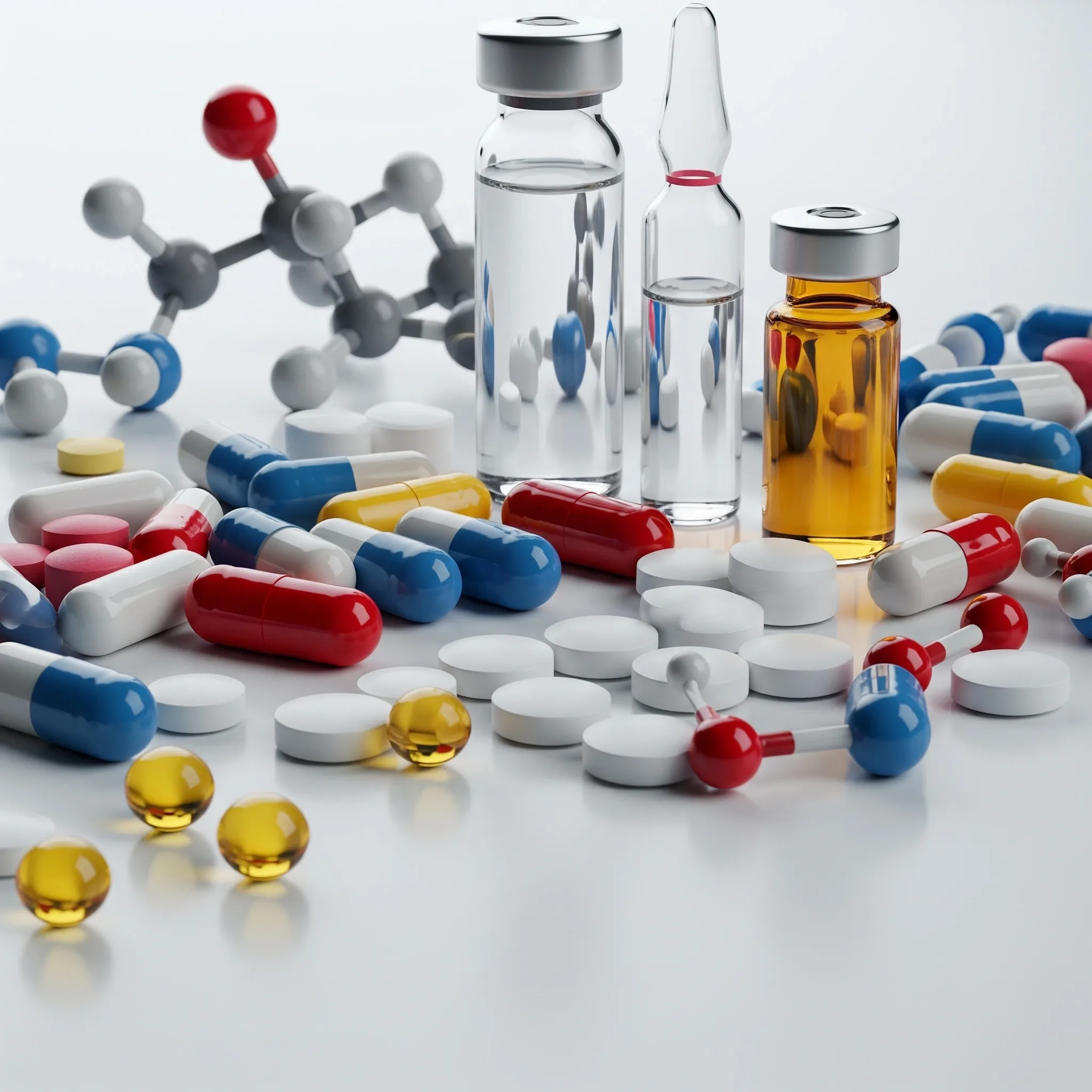
What Are Anti-Cancer Drugs? How Do They Work? Plus Tips for Caring for Your Body with Protein Shake Nutrition
What are anti-cancer drugs? How do they work? Plus tips for caring for your body with protein shake nutrition. In an era when cancer has become a silent threat to countless lives, treatment with anti-cancer drugs has become one of the most widely used approaches, often alongside chemotherapy. As medical technology advances, doctors can now develop and select drugs that are increasingly tailored to each patient. Let's take a closer look at what these drugs are, how they work, what side effects they may cause, and — most importantly — how to restore and strengthen the body through protein-focused nutrition, especially protein shakes, which help repair cells, build muscle, and boost energy for patients after treatment.
What are anti-cancer drugs? Anti-cancer drugs are a group of medications designed to kill, inhibit, or slow the growth of cancer cells. Their main goal is to destroy the abnormally fast-dividing cells that are characteristic of cancer. There are many types of these drugs, and they can be used alone or combined with other treatments such as chemotherapy, radiation therapy, or surgery.
Common types of anti-cancer drugs
- Alkylating Agents Destroy the DNA of cancer cells, such as Cyclophosphamide and Cisplatin
- Antimetabolites Interfere with the metabolic processes of cancer cells, such as 5-Fluorouracil (5-FU) and Methotrexate
- Mitotic Inhibitors Block the cell division process, such as Paclitaxel and Vincristine
- Topoisomerase Inhibitors Prevent the unwinding of DNA strands, such as Doxorubicin
- Targeted Therapy Drugs that act specifically on abnormal proteins or genes in cancer cells, such as Imatinib
- Immunotherapy Stimulates the body's immune system to attack cancer cells, such as Nivolumab and Pembrolizumab
How the drugs work and their side effects Most anti-cancer drugs work by destroying fast-dividing cells. While this is effective at killing cancer cells, it also affects normal cells that divide rapidly, such as cells in the intestinal lining, skin, blood cells, and hair follicles. As a result, patients may experience the following side effects:
- Fatigue and weakness Feeling tired all the time, even after adequate rest, because the body lacks the energy and building blocks needed to produce muscle and essential enzymes
- Nausea, vomiting, and loss of appetite The digestive system may function abnormally, causing stomach discomfort, nausea, and vomiting, which reduces appetite and leads to insufficient nutrient intake
- Hair loss Protein is a key component of hair. Without enough protein, hair becomes weak, falls out easily, and loses its shine
- Diarrhea or constipation Protein deficiency affects the digestive system, disrupting normal bowel function and potentially causing alternating diarrhea and constipation
- Weakened immunity and higher infection risk Protein is essential for producing immune cells and antibodies. When protein is lacking, the body weakens, leading to lower immunity and a higher risk of infection from viruses, bacteria, or other pathogens
- Muscle weakness and weight loss The body begins breaking down muscle for energy and tissue repair, causing noticeable muscle weakness and unintended weight loss
The need to restore the body alongside drug treatment While treatment with anti-cancer drugs plays a crucial role in eliminating cancer, caring for the body during treatment is equally important, since the treatment can weaken the body, deplete muscle mass, and lower immune function. Good recovery care helps improve treatment effectiveness, reduces the risk of infection, and helps patients regain a better quality of life. Nutrition is therefore central to patient care, especially protein — an essential nutrient that helps build cells, repair damaged tissue, and preserve muscle mass during periods when the body is weak.
The role of protein shakes in restoring the body after taking anti-cancer drugs Protein shakes are drinks that provide a concentrated dose of protein that is easy to digest and quickly absorbed, helping to supplement nutrition for patients who eat too little or not enough. Protein shakes are therefore an important option for restoring the body after chemotherapy or anti-cancer drug treatment
Benefits of protein shakes include
- Supporting muscle building Helping patients restore muscle mass lost due to drug side effects
- Stimulating immune function Protein plays a role in producing antibodies and white blood cells
- Helping repair cells Especially cells damaged by chemotherapy drugs
- Boosting energy Ideal for those who feel fatigued or have a poor appetite
- Easy to consume Suitable for those who have difficulty swallowing or experience frequent nausea
Which type of protein is suitable for cancer patients?
- Whey Protein Isolate A highly purified milk-derived protein that is easy to digest and quickly absorbed, ideal for patients who need urgent nutritional support
- Hydrolyzed Whey Protein A partially pre-digested protein that is the easiest to digest, suitable for patients with a weak digestive system
- Plant-based Protein Such as soy or pea protein, suitable for those allergic to cow's milk or following a vegetarian diet, providing a complete set of essential amino acids
- Protein blended with vitamins and minerals For patients who need extra immune support or who have nutrient deficiencies
Tips for using protein shakes safely
- Consult a doctor or nutrition specialist before use
- Start with a small amount and gradually increase as appropriate
- Choose a formula without excessive added sugar
- Avoid products with excessive preservatives or artificial additives
- Drink alongside other foods to ensure you get all five food groups
Anti-cancer drugs play a vital role in treating cancer, but their side effects can weaken the body and cause muscle loss. Supporting the body's recovery is therefore essential, especially through protein nutrition via protein shakes, which help ensure patients get enough protein, digest it easily, and recover more quickly. Protein shakes are not just a supplement — they are a tool that helps improve the quality of life for cancer patients during and after treatment with anti-cancer drugs. At every step of your recovery, Royim Protein is here beside you. Our specially formulated protein shake is designed to boost energy, restore muscle, and help strengthen your body, filling every day with the strength to keep fighting. Choose Royim Protein, the right partner for your good health today.