
Blogs
What Are the Stages of Cancer, and How Does Treatment Differ Between Them?
What Are the Stages of Cancer, and How Does Treatment Differ Between Them?
What are the stages of cancer, and how does treatment differ between them? Cancer is a serious and complex disease. Successful cancer treatment depends on many factors, and one of the most important is the stage of the cancer, which indicates the severity and spread of the disease. Knowing the stage of cancer helps doctors plan the most appropriate and effective treatment for each patient.
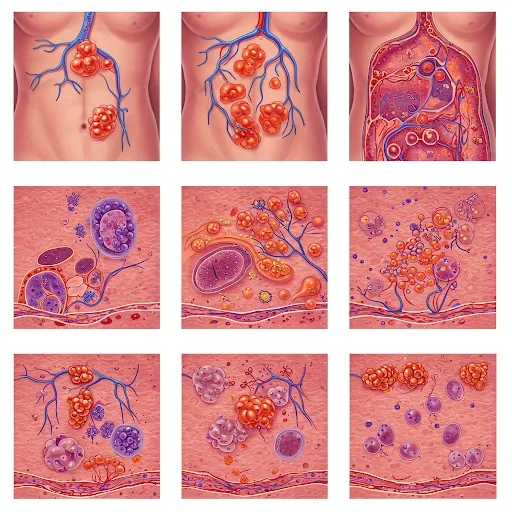
Explaining cancer stages 1 through 4 and their treatment approaches. Cancer can be divided into 4 main stages, each with a different level of severity and treatment approach, as follows:
- Stage 1 The cancer remains in the area where it first developed and has not yet spread to surrounding tissue. Main treatment: surgery to remove the tumor, possibly with supplementary radiation therapy. Nutritional care: focus on foods high in antioxidants, such as leafy green vegetables, fruits, and plant-based protein.
- Stage 2 The cancer begins to grow larger and may invade nearby tissue. Main treatment: surgery combined with radiation therapy, and possibly chemotherapy. Nutritional care: adequate protein intake to help repair cells and strengthen immunity.
- Stage 3 The cancer has spread to nearby lymph nodes. Main treatment: chemotherapy, radiation therapy, or immunotherapy. Nutritional care: easily digestible foods, reduced sugar, and nutrients that help reduce treatment side effects.
- Stage 4 The cancer has spread to other organs in the body. Main treatment: chemotherapy, targeted therapy, and immunotherapy. Nutritional care: additional energy and protein to maintain quality of life and reduce malnutrition.
Additional points to remember
- Cancer patient care should be holistic, taking into account both the body and the mind.
- Emotional and mental support is extremely important in helping patients cope with the challenges of treatment.
- Patients and caregivers should consult doctors and nutritionists for personalized advice.
Proper care for cancer patients helps improve their quality of life and enables them to fight the disease more effectively.
Factors affecting the choice of treatment plan. Choosing a cancer treatment plan is a complex process that requires considering many factors together to arrive at the most appropriate and effective plan for each patient. These factors include:
Patient age. Older patients may have limitations in using certain medications, or may have underlying conditions that make certain treatments riskier. Doctors will consider the patient's overall strength.
- Overall strength. Older patients may have reduced physical strength, making them less able to tolerate the side effects of certain treatments compared to younger patients. Doctors will assess the patient's overall strength to determine how well the body can tolerate treatment.
- Underlying conditions. Older patients are more likely to have underlying conditions such as heart disease, diabetes, or kidney disease, which may affect the choice of treatment method. Doctors will consider the patient's underlying conditions to avoid treatments that could worsen them.
- Treatment side effects. Older patients may be at greater risk of certain side effects from treatment than younger patients. Doctors will consider the potential side effects of each treatment method to choose the most appropriate and safest option for the patient.
- Quality of life. Cancer treatment in older patients should also prioritize the patient's quality of life. Doctors will consider the patient's needs and expectations so that treatment proceeds appropriately without excessively affecting quality of life.
Overall health. If the patient has underlying conditions such as diabetes, heart disease, or kidney disease, the treatment plan may need to be adjusted to reduce the risk of complications. Doctors will consider the patient's overall health, including physical and mental condition, to assess readiness for treatment.
- Underlying conditions. Patients with underlying conditions such as diabetes, heart disease, or kidney disease may be at greater risk of complications from treatment than patients without underlying conditions. Doctors will consider the patient's underlying conditions to adjust the treatment plan appropriately and reduce the risk of complications.
- Physical condition. Doctors will assess the patient's physical condition to determine how well the body can tolerate treatment. This assessment may include blood tests, organ function tests, and an evaluation of overall strength.
- Mental condition. The patient's mental condition affects their readiness for treatment and recovery. Doctors will consider the patient's mental state to provide appropriate emotional and psychological support.
- Medication use. Patients who regularly take medication should always inform their doctor, as certain medications may affect how chemotherapy or radiation therapy works.
- Palliative care. In cases where the patient's overall health is not strong, doctors may choose palliative care, which focuses on relieving symptoms and improving the patient's quality of life.
Type of cancer. Different types of cancer respond differently to treatment; for example, some types respond well to chemotherapy, while others respond better to radiation therapy. Doctors will choose the treatment method appropriate to the type of cancer to achieve the best treatment outcome.
- Type of cancer cell. There are many types of cancer, such as carcinoma, sarcoma, and lymphoma, each with different characteristics and different responses to treatment.
- Location of the cancer. The location of the cancer affects the choice of treatment method; for example, cancer located near vital organs may require more careful treatment.
- Stage of the cancer. The stage of the cancer indicates the severity and spread of the disease, which affects the choice of treatment method.
- Genetic characteristics of the cancer. Some types of cancer have genetic changes that can be used as targets for targeted drug therapy.
Spread of the cancer. If the cancer has spread far, multiple treatment methods may need to be combined, such as surgery together with chemotherapy and radiation therapy. Doctors will assess the stage of the cancer's spread to plan comprehensive and effective treatment.
- Radiological imaging, such as computed tomography (CT scan), magnetic resonance imaging (MRI), and positron emission tomography (PET scan), to determine whether the cancer has spread to other organs.
- Biopsy. Taking tissue samples from areas suspected of cancer spread for testing to confirm the diagnosis.
- Blood tests. Testing for cancer markers in the blood to determine whether the cancer has spread.
Choosing a protein shake to help restore the body and boost energy. Protein is an essential nutrient that helps repair cells and provide energy for cancer patients. Choosing the right protein shake should take into account:
Protein source
- Whey protein is suitable for fast absorption, helping to restore muscle and rebuild the body after treatment.
- Plant-based protein is suitable for those with lactose intolerance or those who follow a vegetarian or vegan diet. Choose a blend of several plant-based proteins to obtain a complete amino acid profile.
Added nutrients: choose a protein shake with added vitamins and minerals, such as vitamin C, vitamin D, zinc, and folate, which help strengthen the immune system and nourish the body. To get the most benefit from food, it should be paired with vitamins and minerals to help build red blood cells and hemoglobin, strengthen muscles, stimulate immunity, and help hormones and enzymes throughout the body function better.
Free from harmful additives. Avoid protein shakes that are high in sugar or contain excessive artificial sweeteners. Check the ingredient label carefully to avoid preservatives, flavoring agents, or unnecessary additives.
Additional considerations. Choose products that are quality-certified and trustworthy. Consult a doctor or nutritionist for advice on the protein shake most suitable for your physical condition and treatment plan. Consider a flavor the patient can easily consume, as some patients may experience taste changes or loss of appetite.
Choosing the right nutrition and taking proper care of the body can help cancer patients improve their quality of life and cope with treatment more effectively. At every step of recovery, Royim protein is here beside you. Our specially formulated protein shake is designed to boost energy, restore muscle, and help strengthen the body, filling every day with the strength to fight on. Choose Royim protein, the right partner for your good health today.