
Blogs
What Causes Cancer? Risk Factors and Prevention Methods
What Causes Cancer? Risk Factors and Prevention Methods
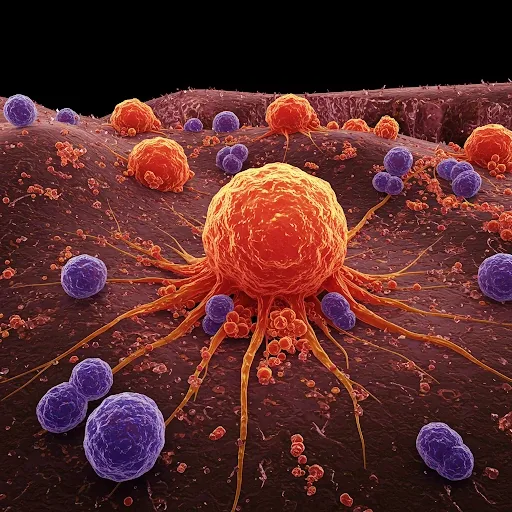
What causes cancer? Risk factors and prevention methods. Cancer is a group of diseases caused by abnormal changes and growth of cells in the body. These cells can spread to other tissues and organs throughout the body. Cancer is one of the leading causes of death worldwide and poses a health threat to people of all genders and ages. We'll walk you through the causes of cancer, the risk factors that increase the chance of developing the disease, and prevention approaches, so you can take care of your own health and effectively reduce your risk of developing the disease.
Factors that cause cancer Cancer is a serious disease caused by abnormalities in the body's cells that grow and divide uncontrollably and can spread to other organs. There are several factors that contribute to the development of cancer, as follows
- Genetics If there is a family history of certain types of cancer, such as breast cancer, colon cancer, or ovarian cancer, the chance of developing the disease may be higher. Genetic inheritance makes a person more susceptible to cancer than the general population.
- Carcinogens Certain chemicals in food, such as nitrosamines in processed food, aflatoxins in mold-contaminated food, air pollution such as PM2.5 dust, benzopyrene in vehicle exhaust fumes, cigarette smoke, which contains many carcinogens, and chemicals in some cosmetics, such as parabens and formaldehyde.
- Diet Consuming processed foods such as processed meats, sausages, and ham may increase the risk of colon cancer. Trans fats in fried foods and baked goods may increase the risk of certain cancers. High sugar in beverages and sweets may increase the risk of certain cancers.
- Lifestyle Lack of exercise weakens the immune system and increases the risk of cancer. Being overweight or obese increases the risk of several cancers, such as breast cancer, colon cancer, and kidney cancer. Chronic stress may affect the immune system and increase the risk of cancer. Consuming large amounts of alcohol increases the risk of liver, oral, and throat cancer.
- Other factors Infection with certain viruses, such as HPV (Human Papillomavirus), which is associated with cervical cancer, and Hepatitis B Virus, which is associated with liver cancer. Exposure to radiation, such as ultraviolet radiation from sunlight and X-rays. Increasing age causes cells to degenerate and increases the risk of mutation.
Ways to reduce the risk of cancer through health and nutrition care Reducing the risk of cancer can be achieved through proper health care and appropriate nutrition, such as
- Eat more vegetables and fruits Vegetables and fruits are a source of antioxidants, which help protect cells from damage and reduce inflammation in the body. You should choose to eat a variety of colorful vegetables and fruits to get a wide range of complete nutrients.
- Avoid processed foods and trans fats Processed foods often contain chemicals and preservatives that may increase the risk of cancer. Trans fats are found in fried foods and some baked goods, which harm overall health and increase the risk of certain cancers. You should choose to eat fresh food and cook it yourself.
- Exercise regularly Exercise helps stimulate the immune system and reduces the risk of certain cancers, such as colon cancer and breast cancer. You should exercise at least 150 minutes per week at a moderate level, or 75 minutes per week at a vigorous level.
- Quit smoking and reduce alcohol consumption Smoking is a major cause of lung cancer and many other cancers. Consuming large amounts of alcohol increases the risk of liver, oral, and breast cancer. Quitting smoking and reducing alcohol consumption are important for reducing the risk of cancer.
- Cancer screening Screening for certain cancers, such as cervical cancer, colon cancer, and breast cancer, can detect cancer at an early stage and increase the chances of successful treatment. You should consult a doctor for advice on cancer screening appropriate to your age and individual risk factors.
- Avoid intense sunlight Ultraviolet radiation from sunlight is a major cause of skin cancer. You should apply sunscreen with SPF 30 or higher and avoid direct sun exposure during periods of intense UV radiation.
Taking care of your health and choosing appropriate nutrition is important for reducing the risk of cancer. You should consult a doctor or nutrition specialist for further advice.
Consuming beneficial protein to help reduce risk and nourish the body Protein is an essential nutrient for the body. Not only does it help repair cells and tissues, but it can also help reduce the risk of cancer if you choose to consume the right type of protein, such as
- Plant-based protein Soybeans, tofu, quinoa, and various types of beans are sources of protein high in antioxidants, which help protect cells from damage and reduce the risk of cancer. Plant-based protein is also rich in dietary fiber, which aids in bowel movements and reduces the risk of colon cancer.
- Fish and seafood Fish and seafood are a source of omega-3 fatty acids, which have anti-inflammatory properties and help prevent cancer. You should choose fish with good fats, such as salmon, tuna, and sardines.
- Lean meat Chicken and turkey are good, low-fat sources of protein. You should choose lean meat and cook it using appropriate methods, such as boiling, steaming, or grilling.
- Healthy protein shakes Protein shakes can be a good option for those who want to increase their protein intake. You should choose protein shakes that are free of additives and high sugar to avoid negative health effects. Choose protein shakes made from natural sources such as whey protein or plant-based protein such as soybeans.
Precautions
- Although protein is beneficial to the body, consuming too much protein may have adverse effects on the kidneys.
- You should consult a doctor or nutritionist for advice on the appropriate protein intake for your individual physical condition.
Choosing to consume the right protein is part of good health care and can help reduce the risk of cancer.
Royim Protein is a nutritional protein supplement designed for cancer patients and those who need to recover their bodies after treatment, with several benefits as follows
- Helps preserve muscle mass Cancer patients often face malnutrition and muscle mass loss. Royim Protein helps the body receive the essential amino acids needed to repair and build muscle, reducing muscle atrophy.
- Strengthens the immune system The essential amino acids from the protein in this product help stimulate the function of immune cells to become stronger, allowing the body to better resist infection.
- Provides easily digestible energy Royim Protein can help patients who eat little to receive sufficient energy without needing much chewing effort, as it is easily digested and absorbed.
- Customizable to individual needs The formula can be customized to suit each patient's needs, such as adding dietary fiber, vitamins, and additional minerals.
- Suitable for patients with difficulty eating Protein shakes are a good option for patients who have trouble eating normal food.
Cancer prevention can be achieved by avoiding various risk factors and taking better care of your health, including choosing to eat beneficial foods and appropriate protein. Having a good lifestyle will help reduce the risk of cancer and promote long-term health. At every step of recovery, Royim protein is by your side. Our specially formulated protein shakes are designed to boost energy, restore muscle, and help strengthen your body. May every day of yours be filled with the strength to keep fighting. Choose Royim protein, the right helper, for your good health today.