
Blogs
What Causes Cancer? Risky Behaviors You Should Know and Prevention Methods
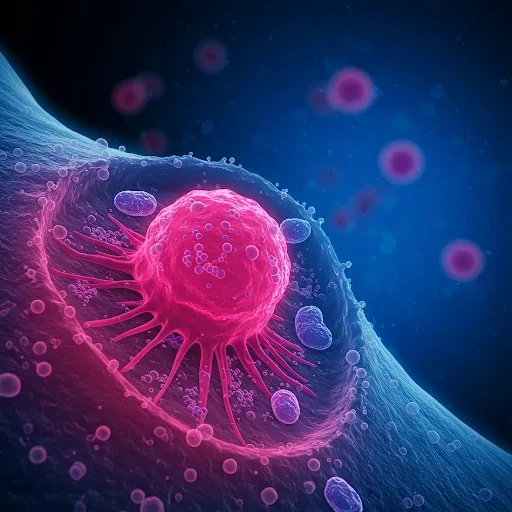
What Causes Cancer? Risky Behaviors You Should Know and Prevention Methods
What causes cancer? Risky behaviors you should know and prevention methods. Cancer is a group of diseases caused by abnormal growth of cells in the body, which can spread to other organs. The main cause is a change in the genetic material (DNA) within cells, causing the cells to lose control over their division. Key risk factors include genetic factors (inheriting abnormal genetic traits from parents), environmental factors (carcinogenic chemicals, radiation, infection with certain viruses and bacteria), and behavioral factors (smoking, drinking alcohol, eating an unhealthy diet, lack of exercise, and obesity). Cancer can be prevented by avoiding carcinogens, eating a nutritious diet, exercising regularly, maintaining a healthy weight, undergoing cancer screening as recommended by a doctor, and getting vaccinated against certain viruses linked to cancer. Reducing risk factors and regular cancer screening are essential for cancer prevention.
Risk Factors That Cause Cancer Cancer is a serious disease caused by abnormalities in the body's cells that grow uncontrollably. There are many causes of cancer, which can be divided into 3 main factors:
Genetics If there is a family history of cancer, the risk of developing cancer is higher, such as breast cancer and colon cancer. Mutations in certain genes may be a cause of cancer, such as the BRCA1 and BRCA2 genes in breast cancer.
Lifestyle Behaviors
- Smoking Toxins in cigarettes are a leading cause of lung cancer and other cancers, such as oral cancer, throat cancer, and bladder cancer. Quitting smoking is the most important step in reducing risk.
- Drinking Alcohol Regular alcohol consumption increases the risk of liver cancer, breast cancer, and cancers of the digestive system. Reducing alcohol intake or quitting altogether helps lower the risk.
- Unhealthy Diet Consuming high-fat foods, processed foods, or grilled foods may increase the risk of colon cancer and stomach cancer. Choose to eat nutritious foods such as vegetables, fruits, whole grains, and lean protein.
- Lack of Exercise A lack of physical movement weakens the body and increases the risk of certain cancers, such as colon cancer, breast cancer, and prostate cancer. Regular exercise helps strengthen the immune system and reduce risk.
Changing these lifestyle behaviors can significantly help reduce the risk of developing cancer. Taking care of yourself starting today will help you stay healthy and stay away from serious illness.
Environment
- Toxins and Pollution Exposure to chemicals such as pesticides, asbestos, and air pollution may increase the risk of cancer.
- Excessive Radiation Exposure Radiation from the sun (UV) may cause skin cancer, and high doses of radiation from X-ray machines may increase the risk of certain cancers.
How to Reduce Cancer Risk Although some cancers may arise from genetics, good lifestyle habits can significantly reduce the risk. Important cancer prevention methods include:
- Adjust Your Eating Habits Increase your intake of vegetables and fruits rich in antioxidants, such as berries, broccoli, and carrots. Reduce consumption of processed foods, fried foods, and foods with preservatives. Choose protein from good sources, such as lean meat, soybeans, and deep-sea fish.
- Exercise Regularly Exercising for at least 150 minutes per week can help reduce the risk of cancer. Physical activities such as walking, running, swimming, or yoga can help strengthen the immune system.
- Reduce Exposure to Carcinogens Avoid smoking and drinking alcohol. Use high-SPF sunscreen to protect against skin cancer. Avoid exposure to chemicals and pollution in the environment.
How Protein Shakes Help Support Health and Reduce Cancer Risk Protein is an essential nutrient that helps build muscle, repair cells, and strengthen the immune system. Drinking protein shakes can benefit overall health and may help reduce the risk of cancer in the following ways:
- Helps Repair Cells and Boost Immunity Protein plays a role in repairing damaged cells and helps produce white blood cells that fight pathogens. Whey protein contains antioxidants such as glutathione, which help reduce inflammation and prevent cell damage.
- Helps Control Weight and Reduce the Risk of Obesity Obesity is a risk factor for certain cancers, such as breast cancer and colon cancer. Protein helps increase satiety and reduce appetite, making it easier to control weight.
- Reduces the Side Effects of Cancer Treatment Patients undergoing chemotherapy or radiation therapy often experience malnutrition and muscle loss. Protein shakes can help boost energy and provide the nutrients the body needs.
How to Choose a Safe Protein Shake For a protein shake to benefit the body, you should choose a quality and safe product, following these guidelines:
- Choose Protein Free of Additives and High Sugar Avoid protein shakes containing artificial sweeteners, artificial flavorings, and preservatives. Choose a formula that is low in sugar or sugar-free, or one that uses natural sugar sources such as stevia or dates.
- Make Sure the Protein Is Free of Contaminants or Heavy Metals Choose products from reliable companies with strict manufacturing standards. Check the product label to see whether it has been tested for contaminants and heavy metals.
- Consult a Doctor or Nutritionist Before Consuming This is especially important for cancer patients or those with underlying health conditions, since some protein shakes may have side effects or interact with medications currently being taken. To get the maximum benefit from protein, it should be taken together with vitamins and minerals, which help build blood cells and hemoglobin, strengthen muscles, boost immunity, and help the body's hormones and enzymes function better.
- Choose Protein from Natural, High-Quality Sources Choose protein that comes from natural sources and undergoes minimal processing, such as plant-based protein (soybeans, brown rice, peas) or whey protein without added sugar or additives.
- Choose Protein Shakes Free of Allergens If the patient has food allergies, choose a protein shake free of allergens such as gluten or lactose.
- Choose Protein Shakes with Fiber and Probiotics Fiber and probiotics help balance the gut and reduce constipation, a common problem among cancer patients.
Cancer arises from many factors, including genetics, lifestyle behaviors, and the environment. However, we can reduce the risk of cancer by eating well, exercising regularly, and avoiding risk factors that may contribute to the disease. In addition, supporting your health with a quality protein shake can help strengthen immunity and support the body to function at its best. Choosing the right protein and adjusting to healthy lifestyle habits are key to preventing cancer and improving overall health. In every step of your recovery, Royim protein stands by your side. Our specially formulated protein shake is designed to boost energy, restore muscle, and help strengthen your body. Let every day of yours be filled with the strength to keep fighting. Choose Royim protein, the right partner for your good health today.