
Blogs
Blood Test Results Not Meeting the Threshold Before Chemotherapy: Which Foods Should Patients Avoid?
Blood Test Results Not Meeting the Threshold Before Chemotherapy: Which Foods Should Patients Avoid?
Blood test results not meeting the threshold before chemotherapy — which foods should patients avoid? Understanding food correctly, so treatment doesn't get interrupted. Cancer treatment with chemotherapy is a process that relies heavily on the body being ready. One problem cancer patients and caregivers commonly encounter is that blood test results don't meet the threshold before the chemo session, resulting in the treatment being postponed. This makes many people feel worried, stressed, and wonder: did we eat something wrong? Does the food we eat affect our blood counts? Let's walk through this systematically — what it means when blood counts don't meet the threshold before chemo, how food affects blood counts, which foods patients should avoid, and how to adjust eating habits so the body is ready for treatment.
First, understanding what it means when blood counts don't meet the threshold before chemo. Before administering chemo, the doctor will check blood levels to assess the body's readiness. The values commonly considered include
- White blood cells (White Blood Cell / Neutrophil)
- Red blood cells (Hemoglobin)
- Platelets (Platelet)
- Liver and kidney function
If some values are abnormally low or high, the doctor may consider postponing the chemo session to prevent complications such as severe infection, easy bleeding, severe fatigue, or the liver or kidneys being overworked. The food patients eat has both a direct and indirect effect on blood counts.
How are food and blood counts related? Food doesn't change blood counts instantly like medication does, but it affects the body in the short and long term, such as
- Producing new blood cells
- Bone marrow recovery
- Liver, kidney, and immune system function
- Inflammation in the body
If a patient continuously eats unsuitable food, blood counts may recover slowly, to the point of not meeting the threshold for chemo.
Which foods should patients avoid when blood counts don't meet the threshold before chemo
1. Raw or undercooked food, such as
- Raw fish, sashimi
- Raw laab, koi (raw minced meat/fish dishes)
- Soft-boiled or raw eggs
- Raw milk
Reasons to avoid
- Risk of bacterial and parasitic infection
- Chemo patients often have low white blood cells and weakened immunity
- Even a minor infection can cause blood counts to drop and the chemo session to be postponed
2. Fermented and highly processed food, such as
- Fermented fish (pla ra)
- Pickled vegetables
- Sausage, ham, bacon
- Canned food
Effects on blood counts
- High in sodium, making the kidneys work harder
- Contains preservatives, which may burden the liver
- Risk of chronic inflammation in the body
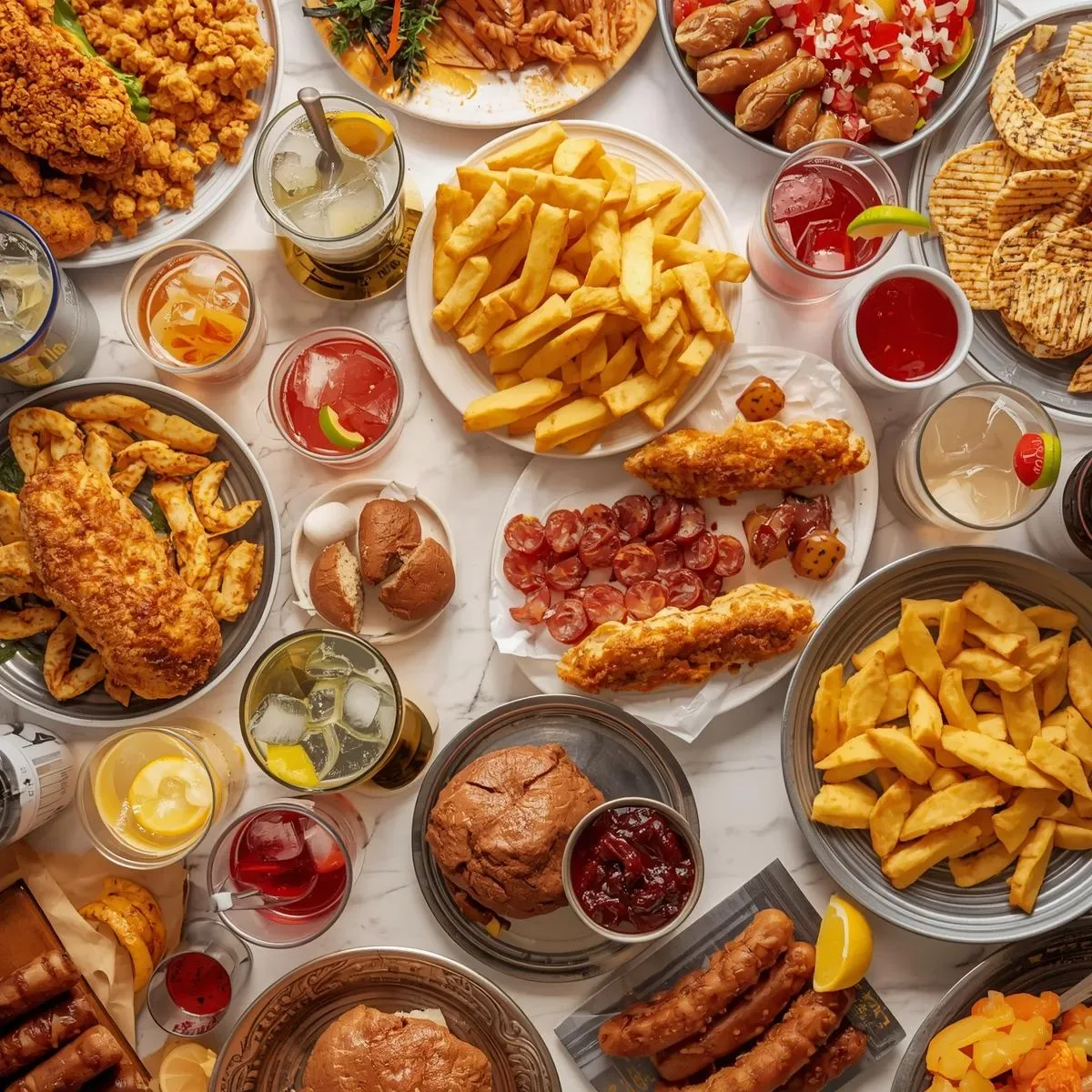
3. Fried, fatty food, and food high in saturated fat, such as
- Re-fried food
- Chicken skin with attached fat
- Butter-heavy bakery items
- Fast food
Why it should be avoided
- Causes inflammation in the body
- Interferes with liver function
- Causes patients to feel fatigued and recover slowly
- Indirectly affects blood cell production
4. Very sweet, high-sugar food, such as
- Soft drinks
- Sweet milk tea
- Sweets and desserts
- Energy drinks
Effects on chemo patients
- Causes blood sugar levels to fluctuate
- Increases inflammation
- Causes the body to use energy inefficiently
- Risk of infection
5. Alcohol of every kind, whether it's
- Spirits
- Beer
- Wine
Key reasons
- Alcohol directly damages the liver
- Affects liver enzyme levels
- Makes it harder for blood counts to meet the threshold
- Interferes with the body's recovery after chemo
6. Supplements not discussed with a doctor, such as
- Certain herbs
- High-dose vitamins
- Multiple supplements taken together
Precautions
- Some interfere with how chemotherapy drugs work
- Some affect blood clotting
- May cause blood counts to become abnormal without the patient realizing it
Besides food, what other behaviors should patients be cautious of
- Insufficient rest
- Accumulated stress
- Drinking too little water
- Losing weight too quickly
- Lack of protein and energy
All of these have an effect on blood counts and readiness before chemo.
If blood counts don't meet the threshold, what should be done
- Don't panic
- Consult a doctor and nutritionist
- Adjust food to be easy to digest, clean, and complete
- Focus on high-quality protein
- Drink enough water
- Get quality rest
The role of protein in blood counts and chemo readiness Protein is an essential nutrient for
- Producing blood cells
- Repairing cells
- Bone marrow recovery
- Boosting immunity
Many cancer patients don't get enough protein, due to loss of appetite, difficulty swallowing, nausea, and eating very little, which causes blood counts to recover slowly.
A nutritional supplement option: protein for cancer patients from Royim Protein For patients who can eat very little regular food, the specially formulated protein for cancer patients from Royim Protein is another option that helps supplement nutrition appropriately.
Key features of the protein for cancer patients
- High-quality protein, easily absorbed
- Easy to digest, doesn't add burden to the liver and kidneys
- Provides appropriate energy for patients
- Suitable for before and during chemo
How to eat and use it
- Mix and drink 1–2 times a day
- Drink between meals, or when unable to eat much of the main meal
- Amount can be adjusted according to the doctor's advice
- Suitable for periods when blood counts are low and the body needs recovery
Benefits
- Helps the body get enough protein
- Supports blood cell production
- Helps the body recover faster
- Reduces the risk of malnutrition
- Helps prepare the body for the next chemo session
Should be used alongside a doctor's advice, not as a substitute for the main treatment.
Blood counts not meeting the threshold before chemo doesn't stem from a single cause — food and lifestyle behaviors play a significant role. Patients should avoid raw food, fermented food, high-fat food, very sweet food, and alcohol, as well as supplements not recommended by a doctor.
Proper nutritional care, especially getting enough protein, will help the body recover faster, bring blood counts back within range, and reduce the chance of treatment being postponed. The specially formulated protein for cancer patients from Royim Protein is therefore one tool that helps supplement nutrition safely, suitable for those who can eat very little or are in a period when blood counts aren't yet ready, so treatment can move forward with confidence. In every step of recovery, Royim Protein is here beside you. Our specially formulated protein shake is designed to boost energy, restore muscle, and help the body grow stronger, filling every day of yours with the strength to fight on. Choose Royim Protein, the right choice, for your good health today.