
Blogs
What Is Cancer? Risk Factors, Prevention Methods, and the Role of Nutrition in Health Care
What Is Cancer? Risk Factors, Prevention Methods, and the Role of Nutrition in Health Care
What is cancer? Risk factors, prevention methods, and the role of nutrition in health care. Cancer is one of the deadliest diseases, claiming lives worldwide at a continuously increasing rate. Although medical science has made remarkable progress in cancer treatment, prevention and early health care remain the best ways to reduce risk and extend a person's lifespan with quality. Let's get to know cancer, its risk factors, prevention approaches, and the important role of nutrition — including protein shakes — in supporting the immune system to reduce the risk of developing cancer.
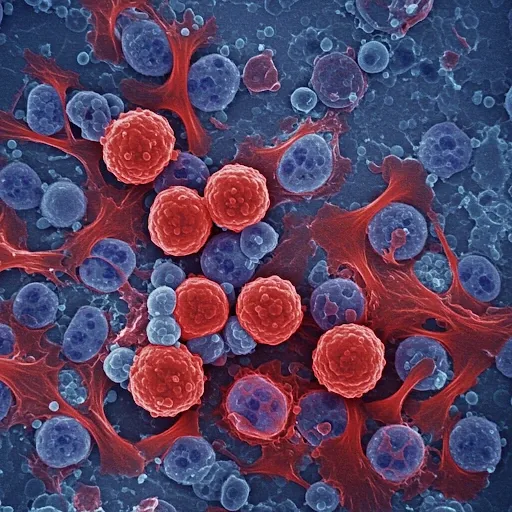
What is cancer? Cancer is a condition in which cells in the body grow and divide abnormally, forming a malignant mass or tumor that can invade nearby organs or spread through the blood and lymphatic system to other parts of the body. This process is called metastasis. Cancer can occur in any organ of the body, including the lungs, liver, intestines, breast, prostate, or uterus, among others. Each type of cancer has a different rate of progression, response to treatment, and prognosis.
Factors that cause cancer The development of cancer usually involves several causes and risk factors, divided into factors that can be controlled and those that cannot, including:
Uncontrollable factors
- Genetics Risk is higher if there is a family history of cancer
- Age The older a person gets, the higher the risk of developing cancer
Controllable factors
- Smoking and alcohol consumption Increase the risk of several types of cancer, such as lung, oral, liver, and stomach cancer
- Diet and nutrition Regularly eating foods high in fat, high in sugar, and processed meats can increase the risk of developing cancer
- Being overweight and obesity Affect the hormonal system and increase the risk of breast, colon, and liver cancer
- Lack of exercise Causes the metabolic system to decline and weakens immunity
- Exposure to chemicals and pollution Such as arsenic, asbestos, and industrial chemicals
How to prevent cancer Cancer prevention can be achieved by changing lifestyle behaviors, with the following key approaches:
- Quit smoking and avoid secondhand smoke Smoking is a major risk factor for several types of cancer, including lung, oral, and bladder cancer. Avoiding secondhand smoke is also important, as it can be harmful
- Reduce or stop drinking alcohol Drinking large amounts of alcohol increases the risk of several cancers, including liver, colon, and breast cancer
- Choose to eat beneficial foods Focus on fresh vegetables and fruits, whole grains, fiber-rich foods, and healthy fats from fish and nuts. Avoid processed foods, high-fat foods, and high-sugar foods
- Exercise regularly Exercise helps reduce the risk of certain cancers and also helps control weight and strengthen the immune system. It is recommended to exercise at least 30 minutes a day, 5 days a week
- Keep your weight within a normal range Obesity increases the risk of several types of cancer
- Get regular health check-ups and cancer screenings Especially for those with a family history or who are in a high-risk group. Cancer screening can help detect cancer at an early stage, which increases the chance of a complete cure
- Avoid charred grilled foods Charred grilled foods contain carcinogens such as PAHs
- Get enough rest and reduce stress Insufficient rest and stress affect the functioning of the immune system, which plays an important role in cancer prevention
The role of nutrition in cancer prevention Nutrition plays an important role in promoting health and preventing cancer. Eating a balanced and varied diet helps the body receive the nutrients it needs to repair cells, strengthen immunity, and fight free radicals, which are a major cause of cancer cell mutation.
Nutrients that play a role in cancer prevention
- Fiber Found in vegetables, fruits, and whole grains, helps reduce the risk of colon cancer
- Vitamin C, vitamin E, and beta-carotene Act as antioxidants
- Omega-3 fatty acids Found in salmon, mackerel, and sardines, have anti-inflammatory properties
- Folate Helps build and repair DNA, found in leafy green vegetables
- Plants with natural anti-cancer compounds Such as garlic, turmeric, ginger, broccoli, and green tea
Protein shakes for reducing risk and aiding recovery Protein is a nutrient essential for building muscle, repairing cells, and strengthening the immune system, especially for those at risk of cancer or recovering after treatment such as chemotherapy or radiation therapy. Getting the right amount of protein helps reduce muscle loss, reduce fatigue, and restore overall health effectively.
Benefits of protein shakes
- Provide high-quality protein Such as whey protein, which is easy to digest and absorbs quickly, suitable for patients who have difficulty chewing or swallowing
- Supplement essential amino acids Which play a role in building immunity and repairing tissue
- Help control blood sugar and fat levels When using a formula that is sugar-free and low in fat
- Suitable for people with reduced appetite Because of the variety of flavors and ease of consumption
Tips for choosing a protein shake Choosing the right protein shake for cancer patients undergoing chemotherapy is important for helping strengthen the body and ease various side effects. Here are the key considerations when choosing a protein shake.
Choose a formula with high-quality protein
- Whey protein A protein that is absorbed quickly and contains a complete set of essential amino acids
- Plant-based protein Such as protein from soy, peas, or rice, suitable for those who are allergic to cow's milk or want protein from a non-animal source
No added sugar or preservatives Large amounts of sugar can make nausea and vomiting more likely to occur. Preservatives may cause irritation and unwanted side effects
Contains added vitamins and minerals
- Vitamin C Helps strengthen the immune system and reduce inflammation
- Zinc Helps repair cells and strengthen the immune system
- Selenium Has antioxidant properties and helps strengthen the immune system
Consult a nutritionist or doctor before consuming A doctor or nutritionist can provide advice on the protein shake best suited to each patient's physical condition. Consulting a doctor will help ensure the patient receives the most appropriate and safest protein shake.
Cancer is a silent threat that can be prevented by adjusting lifestyle behaviors, especially in terms of diet and nutrition. Choosing to eat beneficial foods, avoiding disease triggers, and exercising regularly will help strengthen the immune system and effectively reduce the risk of developing cancer. In addition, supplementing with an appropriate protein shake can be an option to support the health of those who want to take comprehensive care of themselves. At every step of your recovery, Royim protein is here to stand by your side. Our specially formulated protein shake is designed to boost energy, restore muscle, and help strengthen your body. May every day of yours be filled with the strength to keep fighting. Choose Royim protein, the right partner for your good health today.