
Blogs
What Is Chemotherapy? Side Effects and How to Care for Your Body to Recover Faster
What Is Chemotherapy? Side Effects and How to Care for Your Body to Recover Faster
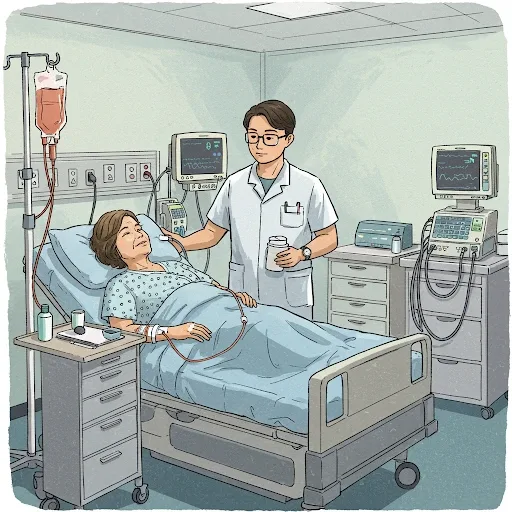
What is chemotherapy? Side effects and how to care for your body to recover faster. Chemotherapy is one of the most widely used methods for treating cancer, using chemical drugs to destroy cancer cells or stop their growth. The chemotherapy drugs travel throughout the body via the bloodstream, allowing them to eliminate cancer cells that have spread to different parts of the body. However, chemotherapy also affects normal cells in the body, causing various side effects that can impact a patient's quality of life.
What is chemotherapy and how does it work? Chemotherapy is a cancer treatment method that uses chemical drugs to destroy or inhibit the growth of cancer cells. The drugs enter the body through intravenous injection or oral administration to eliminate rapidly dividing cells, which include cancer cells as well as certain normal cells, such as cells in the bone marrow, hair, and digestive tract, resulting in a range of side effects.
Types of chemotherapy
- Traditional chemotherapy (Cytotoxic Chemotherapy) uses chemical drugs to directly destroy cancer cells. The drugs act on rapidly dividing cells, which include cancer cells and certain normal cells. Common side effects include nausea, vomiting, hair loss, weakened immunity, and fatigue.
- Targeted therapy uses drugs that act specifically on processes essential to cancer growth, such as inhibiting the formation of new blood vessels or blocking growth-signaling pathways in cancer cells. Side effects are usually milder than with traditional chemotherapy.
- Hormonal therapy adjusts the body's hormone balance to control the growth of certain cancer types, such as breast cancer and prostate cancer. It is used for hormone-sensitive cancers.
- Immunotherapy stimulates the body's immune system to better fight cancer cells. There are several types, such as immune checkpoint inhibitors, T-cell therapy, and cancer vaccines. Side effects are milder than with chemotherapy and radiation therapy, but some patients may experience allergic reactions or inflammation of organs.
New cancer treatments have advanced significantly today, including the use of CAR-T cell therapy, which involves taking T-cells (whose function is to destroy foreign substances in the patient's body), modifying their structure, and then reintroducing them into the patient's body. The modified T-cells then bind to the surface of cancer cells and begin destroying them.
Common side effects of chemotherapy Because chemotherapy affects normal cells that divide rapidly, it causes various side effects, such as
- Nausea and vomiting occur due to effects on the digestive system and the vomiting control center in the brain. Relieve symptoms with anti-nausea medication recommended by your doctor, such as Ondansetron.
- Fatigue and exhaustion occur due to the destruction of red blood cells, causing anemia. It is recommended to rest sufficiently and eat iron-rich foods, such as liver and leafy green vegetables.
- Malnutrition and weight loss occur due to loss of appetite or abnormal nutrient absorption. Focus on foods high in protein and energy, such as whey protein or plant-based protein.
- Weakened immunity and increased susceptibility to infection occur due to a decrease in white blood cells, putting the body at risk of infection. Avoid crowded places and wash your hands frequently to prevent infection.
- Hair loss occurs because hair follicle cells are destroyed by chemotherapy drugs. Wearing a cooling cap during chemotherapy may help reduce hair loss.
How to care for your body to recover faster after chemotherapy Caring for your body to recover faster after chemotherapy is extremely important, so the body can regain strength and quality of life. Here are recommendations for caring for your body after chemotherapy.
Eat nutritious food
- High protein Protein helps repair damaged cells and build new ones. Focus on high-protein foods such as eggs, fish, and soybeans.
- Vegetables and fruits Vegetables and fruits contain antioxidants that help protect cells from damage. Eat a variety of colorful vegetables and fruits, such as blueberries, carrots, and broccoli.
- Easily digestible food During periods when the body is weak, choose easily digestible foods such as rice porridge, congee, or soup.
Drink enough water Dehydration can make the body feel exhausted and make the kidneys work harder to eliminate toxins from chemotherapy drugs. It is recommended to drink 8-10 glasses of clean water per day.
Exercise lightly Walking or doing yoga helps stimulate blood circulation and reduce fatigue. Avoid overly strenuous exercise, as it may cause the body to become more exhausted.
Get enough sleep Deep sleep helps the body restore its immune system and reduce fatigue. Aim to sleep 7-8 hours per night.
Manage stress Stress can negatively affect the immune system and slow down the body's recovery. Find stress-relief methods that suit you, such as meditation, yoga, or engaging in activities you enjoy, such as listening to music, reading, talking with other patients, or joining a cancer patient support group, which can also help reduce stress.
Additional recommendations
- Take care of oral health Chemotherapy can cause mouth sores. Take good care of your oral health, such as brushing gently and using a gentle mouthwash.
- Prevent infection Chemotherapy can weaken the immune system. Avoid contact with people who have infectious diseases and wash your hands frequently.
- Consult your doctor If you experience any unusual symptoms, consult your doctor immediately.
Proper body care will help patients recover from chemotherapy treatment faster and enjoy a better quality of life.
How protein shakes help boost energy and rebuild muscle weakened by chemotherapy
- Helps build muscle and restore the body Chemotherapy patients often experience muscle mass loss. Protein shakes help supply the protein needed to repair muscle cells. Whey protein is an easily digestible and quickly absorbed protein source, suitable for patients who need extra energy.
- Helps boost immunity Protein is an important component of immune cells, such as antibodies and white blood cells. Plant-based protein, such as soy protein, contains essential amino acids that help strengthen immunity.
- Helps reduce fatigue and increase energy Protein shakes containing healthy fats, such as MCT Oil (Medium Chain Triglycerides), provide quick energy and reduce fatigue. They contain fiber that helps the digestive system function better, reducing constipation that may result from chemotherapy drugs.
- Helps maintain a healthy body weight Protein shakes with sufficient calories help patients maintain their body weight, preventing excessive weight loss during treatment.
Chemotherapy is an effective cancer treatment method, but it causes various side effects that can affect quality of life. Caring for your body by eating properly, resting sufficiently, and supplementing with protein shakes helps the body recover faster. Choosing the right protein can help boost immunity, increase energy, and maintain overall health during and after chemotherapy treatment. Every step of your recovery, Royim protein is here to stand by you. Our specially formulated protein shakes are designed to boost energy, restore muscle, and help strengthen your body. May every day of yours be filled with the strength to keep fighting. Choose Royim protein, the right partner for your good health today.