
Blogs
What Is Chemotherapy? Side Effects You Should Know and How to Help Your Body Recover Faster
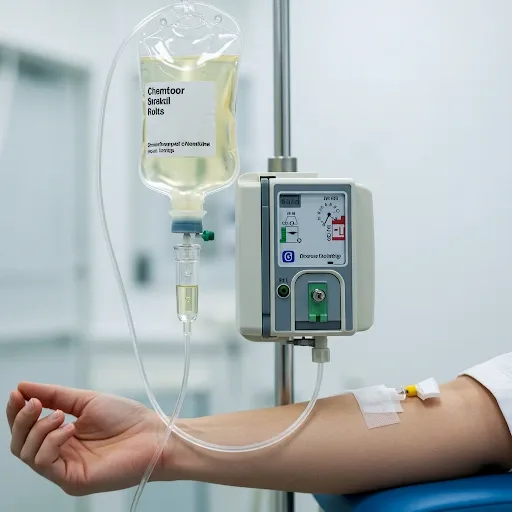
What Is Chemotherapy? Side Effects You Should Know and How to Help Your Body Recover Faster
What is chemotherapy? Side effects you should know and how to help your body recover faster. Chemotherapy is one of the most important treatments for cancer, using chemotherapy drugs to destroy or slow the growth of cancer cells. However, chemotherapy drugs also affect normal cells in the body, causing various side effects that patients should know about and prepare for. Let us walk you through what chemotherapy is, its common side effects, and how to care for your body to recover faster after treatment.
How chemotherapy works in cancer treatment Chemotherapy is one of the most important cancer treatments, using chemotherapy drugs to destroy or slow the growth of cancer cells. Chemotherapy drugs can be used alone or combined with other treatments such as radiation therapy and surgery, and work according to the following principles
- Directly destroying cancer cells Chemotherapy drugs destroy cancer cells that are growing rapidly by interfering with the cell division process of cancer cells, preventing cancer cells from continuing to divide and eventually causing them to die
- Inhibiting the division of cancer cells Chemotherapy drugs inhibit the division of cancer cells, preventing cancer cells from multiplying, which helps slow the spread of cancer cells to other organs
- Shrinking the size of tumors Chemotherapy drugs can shrink the size of tumors, making surgery or radiation therapy more effective. Shrinking the tumor makes surgery easier and reduces the risk of cancer cells spreading during the operation
Additional information
- There are many types of chemotherapy drugs, and each type works through a different mechanism
- Doctors will select the chemotherapy drug appropriate for the type of cancer, the stage of the disease, and each patient's physical condition
- Chemotherapy administration may cause various side effects because chemotherapy drugs do not destroy only cancer cells but also affect normal cells in the body
- Chemotherapy treatment must be closely supervised by a specialist physician
Common side effects of chemotherapy Although chemotherapy is effective in treating cancer, it often causes side effects on the body because the drugs cannot selectively destroy only cancer cells. Common side effects include
- Fatigue and weakness The body may lack energy because normal cells are destroyed along with cancer cells, causing patients to feel tired and lacking the strength for daily activities
- Nausea and vomiting Caused by the effects of chemotherapy drugs on the digestive system, which may make patients feel nauseous and vomit
- Hair loss Chemotherapy drugs affect hair follicles, causing temporary hair loss, which usually returns to normal after treatment is complete
- Weakened immune system Chemotherapy drugs can reduce white blood cell counts, making the body more susceptible to infection
- Digestive system problems May cause diarrhea, constipation, or loss of appetite, which affects eating and nutrient absorption
Additional side effects that may occur
- Mouth sores and sore throat Chemotherapy drugs may cause mouth sores and sore throat, making it harder for patients to eat
- Anemia Chemotherapy drugs may reduce red blood cell counts, causing anemia, which may make patients feel tired and short of breath
- Easy bleeding Chemotherapy drugs may reduce platelet counts, making bleeding or bruising occur more easily
- Nervous system problems Some chemotherapy drugs may affect the nervous system, causing numbness or pain in the hands and feet
- Changes in taste and smell Some patients may experience changes in taste and smell, causing them to eat less
Things to remember
- Chemotherapy side effects vary from patient to patient, depending on the type of drug, the dosage, and the patient's physical condition
- Most side effects are only temporary and will gradually improve after treatment is complete
- Proper physical and mental care will help patients recover faster
- Close consultation with your doctor is important for managing side effects and receiving appropriate treatment
How to cope during chemotherapy Chemotherapy can cause various side effects that affect a patient's body and mind. Preparing for and coping with these side effects is therefore important to ensure treatment goes smoothly and quality of life improves. Below are guidelines for coping with chemotherapy
Preparing before starting chemotherapy
- Consult your doctor Talk to your doctor about possible side effects and how to manage them
- Prepare your body Eat nutritious food, get enough rest, and exercise lightly to keep your body strong
- Prepare your mind Understand the treatment process and find relaxing activities such as meditation or listening to music
- Prepare supplies Prepare necessary items such as hats, scarves, or wigs to cope with hair loss
Coping with side effects during chemotherapy
- Nausea and vomiting Eat soft, easily digestible food such as rice porridge or congee. Avoid spicy or high-fat food. Drink ginger tea or peppermint tea to relieve symptoms. Use anti-nausea medication as prescribed by your doctor
- Fatigue Get enough rest and take naps during the day. Exercise lightly, as much as your body can tolerate. Eat high-protein food to boost energy
- Hair loss Cut your hair short to make it easier to manage. Wear a hat or scarf to protect your scalp from sunlight. Use a wig if desired
- Weakened immune system Avoid contact with people who have contagious diseases. Wash your hands frequently and keep your body clean. Avoid eating raw or unclean food. If you have a fever, see a doctor immediately
- Digestive system problems Drink enough water to prevent dehydration. Eat high-fiber food to prevent constipation. Eat soft food if you have diarrhea
Caring for your body after chemotherapy
- Eat nutritious food Focus on high-protein food, vegetables, and fruit to help restore your body
- Get enough rest Your body needs rest to recover from treatment
- Exercise lightly Helps strengthen your body and reduce fatigue
- Take care of your mental health Manage stress and anxiety by doing relaxing activities
- Monitor your symptoms Watch for unusual symptoms and consult your doctor if you experience severe symptoms
Coping with chemotherapy is a process that takes time and patience. Proper physical and mental care will help patients get through this difficult period.
How nutrition and protein shakes can help reduce side effects Good nutrition plays an important role in helping patients recover faster and reduce side effects from chemotherapy. Nutritious food and protein shakes can help boost energy and repair damaged cells, following these guidelines
- Increase high-quality protein Protein helps restore tissue, repair cells, and boost immunity. Choose protein from natural sources such as lean meat, fish, eggs, and plant-based protein. Protein is an important component of cells and tissues in the body. Getting enough protein helps repair cells damaged by chemotherapy and build new cells
- Choose the right protein shake Choose a formula that is high in protein but free of sugar or additives that may trigger allergic reactions. Protein shakes can be a convenient and easily digestible source of protein for patients who have trouble eating. Choose a quality protein shake free of harmful additives
- Eat food that helps relieve nausea such as ginger, rice porridge, and bananas, to help the digestive system function better. These foods have properties that help reduce nausea and vomiting, which are common side effects of chemotherapy
- Drink enough water Water helps flush toxins from the body and prevents dehydration from drug side effects. Drinking enough water helps the body effectively eliminate toxins caused by chemotherapy
- Eat food high in vitamins and minerals such as leafy green vegetables, fruit high in vitamin C, and whole grains, to help boost immunity and reduce inflammation. Vitamins and minerals play an important role in immune system function. Getting enough of these nutrients helps the body fight infection better
Chemotherapy is an effective cancer treatment process, but it may cause side effects that affect a patient's quality of life. However, caring for your body with proper nutrition, including supplementing with protein from food and protein shakes, can help reduce side effects and help your body recover faster. Patients should consult a doctor or nutrition specialist to choose the most suitable health care approach. At every step of your recovery, Royim protein is here beside you. Our specially formulated protein shake is designed to boost energy, restore muscle, and help strengthen your body, filling every day of yours with the strength to keep fighting. Choose Royim protein, the right partner for your good health today.